Taiwan Detains Nvidia Employee in Widening AI Chip Smuggling Probe
The case is one of at least eight investigations across four jurisdictions into how Nvidia's export-controlled chips keep finding their way to China.
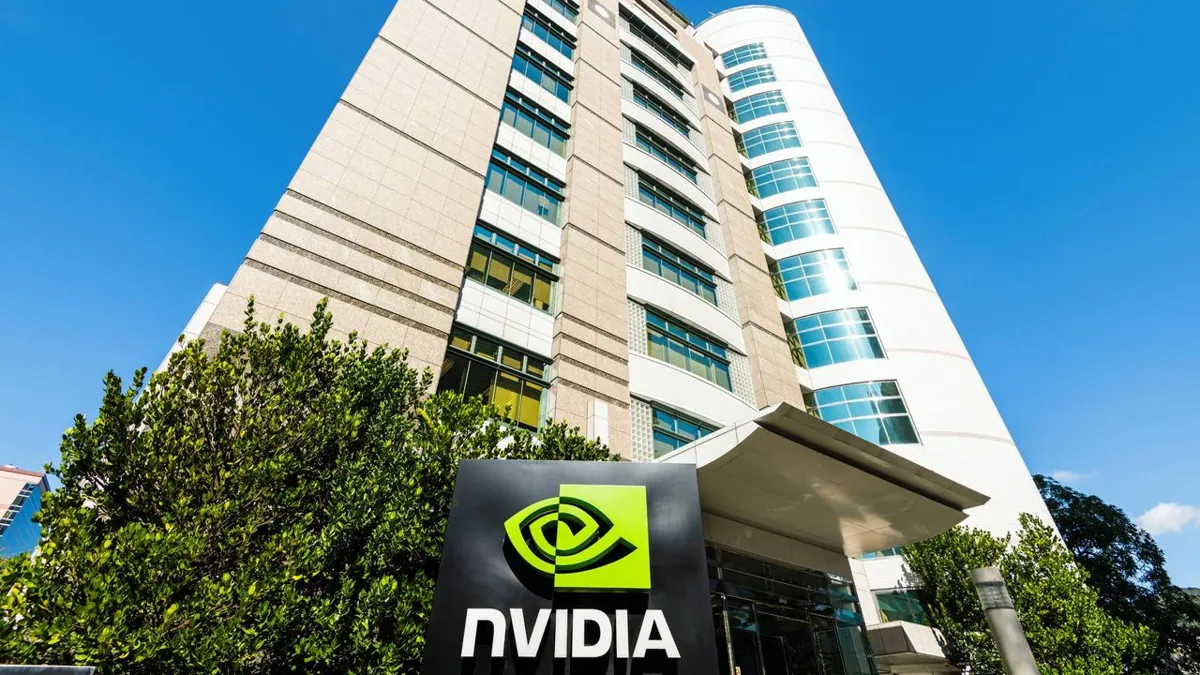
Taiwanese authorities have detained an Nvidia employee, identified only by the surname Chang, over allegations tied to smuggling AI chips into China. Investigators searched Chang's home and their desk at Nvidia's Taipei office on Tuesday. Chang faces allegations of breach of trust and forgery. Nvidia itself has not been accused of wrongdoing.
The detention is a single thread in a much larger tangle. According to Bloomberg, it's one of at least eight related investigations spanning four jurisdictions into how advanced Nvidia chips have been rerouted toward China despite US export controls designed to keep them out.
The Taiwan case specifically centers on allegations that defendants falsified documents to export roughly 50 Super Micro servers loaded with Nvidia AI chips to China. Prosecutors also allege the same group had previously routed smuggled chips through Japan on their way to Chinese buyers. That detail links the case to a bigger, ongoing headache for Super Micro: the US government already charged three of the company's employees, including a co-founder, with attempting to smuggle AI chips back in March.
Nvidia moved quickly to distance itself from the allegations. A company spokesperson said, "Smuggling is a nonstarter," and explained that Nvidia sells primarily through established partners, including the original equipment manufacturers who help ensure sales comply with US export rules. The spokesperson added that even small exporters and shipments face heavy scrutiny "on both sides of the globe," and that any diverted product would be cut off from official service, support, or updates.
A years-long standoff over who gets AI chips
None of this is happening in a vacuum. Washington has been trying to choke off China's access to cutting-edge AI chips since at least 2022, treating chip exports as a national security issue as much as a trade one. Nvidia, for its part, hasn't always played along quietly. The company previously blasted the Biden administration's so-called AI diffusion rule as "rigged" and "misguided," arguing it hampered legitimate business without stopping determined bad actors.
CEO Jensen Huang has been an outspoken advocate for pushing American AI technology out into the world rather than walling it off, a philosophy that sits in tension with Washington's restriction-first approach. Even so, Huang has acknowledged the compliance problems dogging Nvidia's supply chain. Back in May, he said he hoped Super Micro would "enhance and improve their regulation compliance" going forward, an unusually pointed comment about a key hardware partner.
Taiwan's own balancing act
Here's the twist: Taiwan doesn't actually have export restrictions of its own barring AI chip sales to China, though that could change. What it does have is a fierce interest in protecting its position at the center of the global semiconductor industry. As home to TSMC, the world's largest chipmaker, the island has treated leaks of its chipmaking know-how as a matter of national security in the past. A former TSMC manager, for example, became the first person indicted under Taiwan's National Security Act for allegedly trying to funnel core chipmaking technology to China.
That history helps explain why Taiwanese investigators are pursuing this smuggling case aggressively even without a formal export-control law targeting AI chips specifically. The forgery and breach-of-trust charges against Chang suggest prosecutors are working with the tools they have, treating falsified export paperwork as the violation rather than the chip sale itself.
What comes next
With eight or more parallel investigations reportedly underway across multiple jurisdictions, the Chang case looks less like an isolated incident and more like one visible node in a sprawling smuggling network that's been probed from several angles at once, including the earlier US charges against Super Micro personnel. Nvidia will keep insisting its official channels are clean, and there's no indication otherwise regarding the company itself. But as long as China's appetite for restricted AI hardware outpaces the legal supply, cases like this one are likely to keep surfacing, and Taiwan, sitting at the center of the chip world, will keep having to decide how hard to crack down.


