A Defense Startup Wants to Genetically Engineer Better Military Dogs — Then Bolt On Anduril Hardware
Warhound, backed by Anduril's Palmer Luckey and Colossal Biosciences' Ben Lamm, has raised $200 million to breed gene-edited working dogs and outfit them with cybernetic gear.
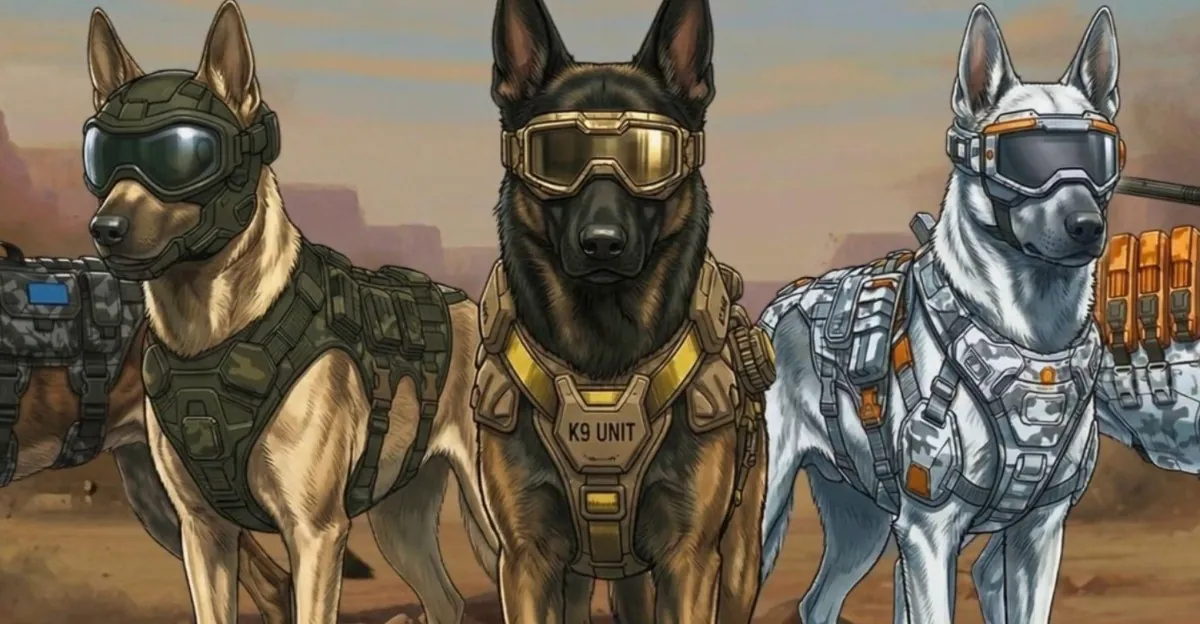
A new startup called Warhound has raised $200 million to do two things that sound like they belong in different companies entirely: genetically engineer better military and police dogs, and then strap hardware onto them.
The Texas-based company is the product of a partnership between Anduril founder Palmer Luckey and Ben Lamm, who co-founded Colossal Biosciences, the de-extinction company known for its work trying to bring back animals like the woolly mammoth. Warhound is applying that same genetics and cloning expertise to a much more immediate target: the dogs the US military, law enforcement, and emergency responders actually rely on today.
The pitch has two halves. On the biology side, Colossal's techniques would be used to edit the genes of working dogs, stripping out problems like poor eyesight and cancer susceptibility while adding traits suited to specific jobs. Lamm told TechCrunch the goal includes boosting "speed and agility" or sharpening "olfactory sensors for bomb sniffing and whatnot." The company is starting with proven working breeds like the Belgian Malinois and German Shepherd, but Lamm said the ambition goes further than tweaking existing breeds. He described the end goal as creating "a new type of dog."
On the hardware side, Anduril would equip those dogs with what the company calls "advanced cybernetic Augments" — eye and ear protection, plus its EagleEye military technology, meant to give dogs and their handlers what the press announcement describes as "greater awareness and protection in the field."
Luckey, who helped conceive the company, summed up the premise in the announcement: "Man's best friend deserves man's best tech." According to Bloomberg, though, he holds no equity in Warhound and has no ongoing role there — his involvement stops at helping get the idea off the ground.
Why the military needs this at all
The case Warhound is making isn't really about building a cooler dog for its own sake. It's about a supply chain problem. Roughly 80 percent of US military dogs currently come from Europe, according to the startup, and the existing pipeline is inefficient: dogs go through a three-year acquisition and training process, and the company's press release says less than half of those sourced from overseas end up fit for service.
That's the gap Warhound says it wants to close domestically — breeding and raising dogs in the US that are more reliably suited to elite roles from the start, cutting both the dependency on foreign sourcing and the washout rate. Beyond the military, the company is positioning these dogs for emergency first-response teams and law enforcement as well.
David Spirk, a Marine veteran and intelligence specialist, has been named Warhound's CEO. He framed the mission in blunt, outcome-focused terms: the goal, he said, is "healthier dogs, better-prepared teams, and more service members and first responders coming home safely."
Notably, the American Humane Society is attached to the project, tasked with guiding Warhound's approach and certifying its training programs — an acknowledgment that gene-editing working animals and equipping them with military tech is the kind of thing that invites scrutiny on animal welfare grounds.
What's actually real right now
It's worth being clear about where this stands today: these genetically modified, hardware-equipped dogs don't exist yet. Warhound has funding, a leadership team, breed targets, and a stated technical approach pulling from two companies with very different track records — Anduril's defense hardware business and Colossal's headline-grabbing, still largely unproven de-extinction science. What it doesn't have yet is a finished animal.
That makes Warhound less a product launch than a bet: that the gene-editing techniques Colossal has been refining on long-dead species can be redirected toward optimizing a very-much-alive one, and that the result can be made compatible with sensor and protection gear built for soldiers rather than animals. If it works, it's a genuinely novel approach to a real logistical bottleneck in how militaries source working dogs. If it doesn't, it's $200 million and a provocative press release.
Either way, the next thing to watch isn't a battlefield deployment — it's whether Warhound can show a single dog, bred and edited under its program, that meets the bar the current overseas pipeline so often misses.


