SpaceX Shares Dip Below IPO Price for the First Time
The stock briefly fell under its $135 offering price a month after the largest IPO ever, before clawing back to close just above it.
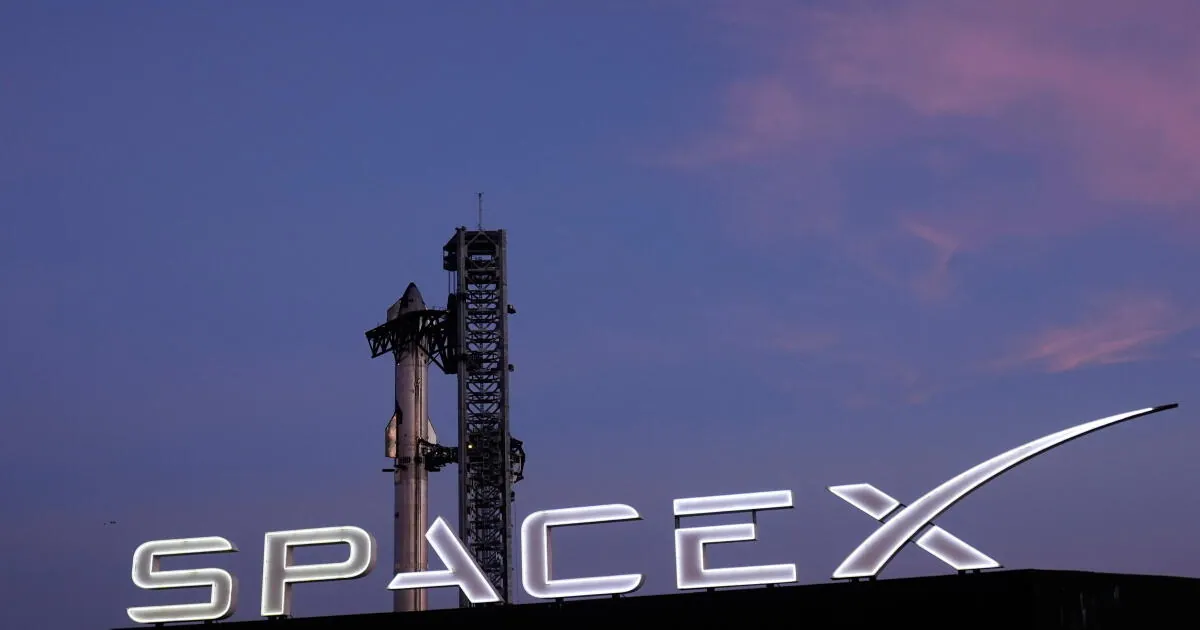
SpaceX's stock slipped below its IPO price on Wednesday for the first time since the company went public, a sign that the frenzy surrounding one of the most anticipated listings in market history is cooling off.
Shares dropped under the $135 offering price during morning trading, before recovering later in the session to close at $135.27 — just barely above water. It's a sharp comedown from the stock's debut, when it jumped more than 50% in its first few days of trading last month.
The dip matters because of what SpaceX's IPO represented when it happened. The offering valued the company at a $2.2 trillion market cap, instantly making it one of the most valuable public companies on Earth, and raised a combined $86 billion once underwriters exercised their option to sell additional shares on top of the $75 billion raised initially. That made it the largest IPO ever recorded. For a brief stretch, the surge in the stock's value also made Elon Musk the world's first trillionaire, though his net worth has since settled back down to around $800 billion.
SpaceX joined the Nasdaq-100 on July 7, after a rule change let newly public companies enter the index just 15 days after listing rather than waiting the usual period. That inclusion likely brought a fresh wave of index-fund buying, which makes Wednesday's slide below the IPO price notable: even with that tailwind, the stock couldn't hold its early gains.
Why investors piled in
SpaceX's business fundamentals are not in question. The company dominates the global launch market, with its Falcon 9 rocket responsible for the overwhelming majority of satellites sent into orbit last year. Its Starlink division leads the world in satellite broadband. But the real spark behind the IPO's blockbuster reception was Musk's pitch that SpaceX would become a major player in artificial intelligence — including a plan to eventually launch solar-powered data centers into orbit to handle AI computing in space.
That AI ambition has already started translating into deals. Last month, SpaceX announced it would acquire Cursor, the San Francisco-based AI coding startup, for $60 billion, with the deal expected to close in the third quarter. Cursor, founded in 2022, lets engineers give software plain-English instructions to carry out coding tasks on their own. Musk has also folded his xAI artificial intelligence company into SpaceX earlier this year, and the combined operation recently began leasing computing capacity to competitors Anthropic and Google through two data centers it built on the ground.
That spending spree is part of what's rattling investors now. Since the IPO, concerns have grown over how much SpaceX is committing to its AI buildout and how much debt it's taking on to fund it, according to the L.A. Times.
More turbulence ahead
The stock's rough patch may not be over. A significant chunk of SpaceX shares remain locked up — held by current and former employees who were barred from selling immediately after the IPO. At least 20% of those shares are set to become tradable after the company reports second-quarter results in the coming months, and the remaining lockups all expire in December. Each of those unlock dates typically brings a flood of new shares onto the market, which can pressure the price further.
SpaceX's headquarters relocated from Hawthorne, California to Texas in 2024, though the company still runs major operations out of the South Bay and continues regular launches from Vandenberg Space Force Base in Santa Barbara County.
A familiar pattern for megacap debuts
SpaceX wouldn't be the first giant tech company to stumble out of the gate. Facebook, now Meta, priced its 2012 IPO at $38 a share and then watched the stock crater, losing nearly half its value and bottoming out at $19.69 by August of that year. It took Facebook more than 14 months to climb back above its IPO price, finally doing so in July 2013.
Whether SpaceX follows a similar arc or stabilizes more quickly will likely hinge on how the market weighs its AI spending against its dominant launch and satellite businesses — and on how much selling pressure builds as those locked-up shares start hitting the market later this year.


