SpaceX Agrees to Testify on AI Safety After Skipping NYC Council Hearing, Dodging a Subpoena Fight
The company only showed up after the city council threatened to get a judge to enforce the order, leaving Anthropic, OpenAI, Google and Meta as the only AI heavyweights to appear on schedule last week.
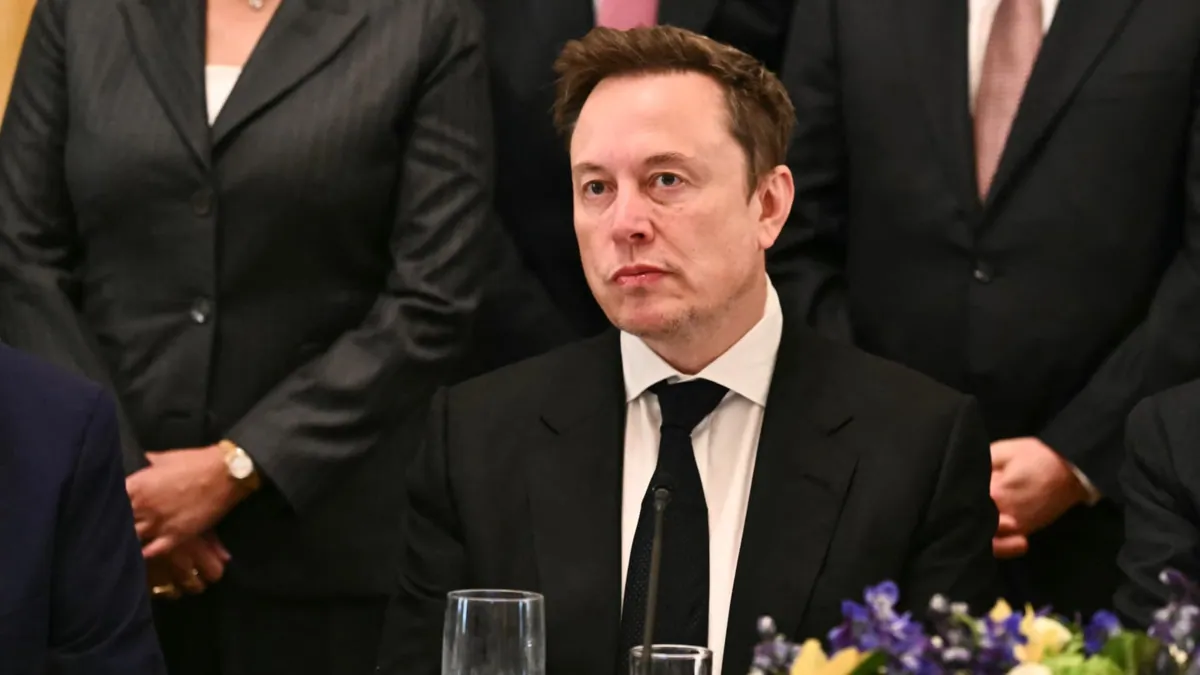
SpaceX is set to testify before the New York City Council on Friday about AI safety, the council announced Tuesday, after the company spent nearly two weeks dodging a subpoena that other major AI players complied with without a fight.
The hearing is scheduled for 10 a.m. ET in front of the council's tech committee. It's a rescheduled version of one SpaceX was supposed to attend last week. Council Speaker Julie Menin and General Counsel Nwamaka Ejebe issued the subpoena to Elon Musk and SpaceX's AI unit on Sept. 28, ordering someone from the company to show up and answer questions about AI safety risks. When the Oct. 5 hearing date arrived, representatives from Anthropic, OpenAI, Google and Meta all testified as directed. SpaceX simply didn't appear.
According to Menin's Tuesday statement, SpaceX agreed to testify two days after that no-show, once the council made clear it intended to have the subpoena enforced by a judge. "Last Monday, we held a major, hours-long hearing with whistleblowers, the world's largest tech companies, and the nation's foremost experts in AI," Menin said. "Conspicuously absent was SpaceXAI, which is unacceptable."
That's a notable sentence, because SpaceX's AI business didn't exist as a separate thing until recently. Musk folded xAI into SpaceX in February, merging his rocket company with his AI venture into a single conglomerate that now includes the Grok family of models. Grok isn't a niche product sitting on the sidelines of government, either — some federal agencies, including the Pentagon, use it. That's part of why the council is pressing the issue: a company whose AI tools are already embedded in federal operations skipped a legislative hearing on AI safety that its direct competitors attended.
The stakes for SpaceX go well beyond optics. The company went public in June and is now valued at more than $2 trillion. In August, it closed a $60 billion acquisition of Cursor, the AI coding startup, further cementing its position as a serious player in the AI market, not just a side project bolted onto a rocket company. It competes directly with Anthropic and OpenAI for enterprise and developer attention, even though Grok, by most measures, still trails the leading models from those rivals.
Why the council is pushing so hard
The NYC Council's investigation didn't come out of nowhere. It opened after a month of intense public debate over the risks posed by increasingly capable AI systems, according to the council. In the letter that originally compelled testimony from Musk or another SpaceX leader, the council said the goal was to figure out whether "fast-emerging risks to public safety, cybersecurity, economic stability, privacy, consumers and businesses warrant immediate legislative action to protect New Yorkers." That's a broad mandate, and it's the same one the other four companies answered to on Oct. 5.
The council also made clear there are teeth behind the request. Its original letter warned that failing to comply with the subpoena could expose SpaceX to penalties or other punishment under New York City law. Carmen De La Rosa, who chairs the tech committee, told CNBC the council expects real answers when SpaceX does show up. "With the proliferation of Elon Musk's technology at the federal level, it is even more important they come to the discussion with robust context about data privacy, safeguards, and whistleblower protections," she said.
That framing — technology proliferating at the federal level — is doing a lot of work. It's a pointed reminder that Grok isn't just competing for consumer attention; it's already inside parts of the federal government, which raises the bar on what kind of transparency the council thinks is owed.
The company also arrives at Friday's hearing carrying legal baggage that didn't exist when the other four firms testified. Lawsuits have been piling up against SpaceX after Grok's image generator was used to mass-produce deepfake pornography built from images of real people who never consented to it. That controversy sits squarely in the lane the council says it's investigating: privacy, consumer harm, and whether existing safeguards are adequate.
SpaceX didn't respond to a request for comment on any of this, including why it initially skipped the hearing or what changed its mind.
Friday's testimony won't resolve the broader fight over how cities should regulate AI, but it does set up a notable contrast with how the other hearing went. Anthropic, OpenAI, Google and Meta all answered the council's questions on schedule, no subpoena threats required. SpaceX needed the prospect of a judge getting involved before it agreed to do the same thing. Whether that gap in cooperation shows up in what the company actually says on Friday is the thing worth watching.


