Sony Says It Has Enough RAM Stockpiled to Get the PS5 Through GTA 6's Launch
With memory chip prices spiking industry-wide, Sony is promising there won't be a console shortage this holiday season, though it's staying vague on whether another price hike is coming.
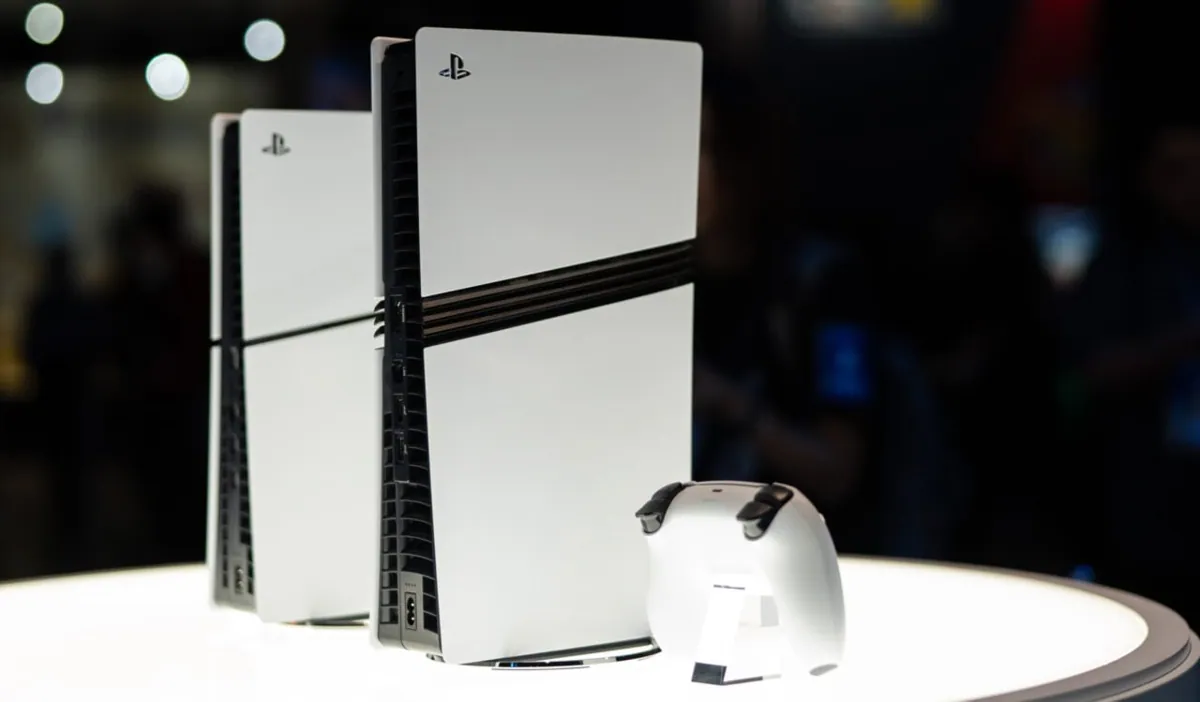
A global squeeze on memory chips, driven largely by AI data center demand, has been pushing up the price of gaming hardware across the board. Sony wants everyone to know the PS5 isn't caught in it, at least not yet.
In its latest earnings report, the company said it has already locked in enough memory to cover its sales targets for the current fiscal year, which runs through early 2027. "Regarding the impact of memory market conditions on PlayStation 5 hardware, we have secured the quantity of memory necessary to meet our projected sales volume for FY26, and there is no change to our plan for hardware profitability for FY26 to remain similar to FY25," Sony stated, according to Kotaku's reporting on the earnings release.
Translation: don't expect PS5s to vanish from shelves this holiday season, even with Grand Theft Auto VI arriving in November and likely pulling in a wave of buyers who've been sitting out this console generation. What Sony didn't say is whether prices are staying put. The statement covers supply and overall hardware profitability, not whether another price increase is on the way in the back half of the year, so that question remains open.
A supply crunch with no clean precedent
The timing is awkward for the industry generally. Memory and storage components have gotten more expensive as AI infrastructure build-outs soak up global chip capacity, and gaming hardware makers are feeling it alongside everyone else. Sony's framing suggests it got ahead of the problem by securing memory early, but the company was notably cautious about looking past the current fiscal year. What happens once this supply deal runs out, particularly as Sony starts laying groundwork for a PlayStation 6, isn't something the company is willing to predict yet.
It's also not Sony's first hardware headache this year. The base PS5 already got $100 more expensive back in March, a price bump largely tied to tariffs. Now there's a second, less predictable cost pressure stacked on top of it in the memory market. Sony's message amounts to: we've absorbed the first hit and insulated ourselves from the second, for now.
The numbers behind the confidence
Sony's optimism is backed by a broader financial update that landed better than the console sales figures alone might suggest. The company raised its projected revenue for the fiscal year by 3 percent and bumped its operating income forecast by 10 percent, according to the earnings report.
That's despite console sales actually slowing. Sony sold 1.38 million new PS5 units last quarter, down from 1.56 million during the same period a year earlier. Given the March price hike, a decline was expected, and this one is arguably smaller than it could have been.
Software tells a more mixed story. Third-party game sales rose year-over-year, but first-party sales dropped by 900,000 units. That's a notable soft spot, and it lines up with the fact that Sony still hasn't published sales figures for Housemarque's sci-fi shooter Saros, four months after its release, nor has it offered an updated sales tally for last year's Ghost of Yotei. The silence on both titles, paired with the first-party decline, points to at least one of Sony's recent big-budget releases underperforming expectations.
On the user side, Sony reported 125 million total monthly active users across PlayStation, up 2 million from the same point last year. That's steady growth, if not explosive.
There's also a small wrinkle in the shift toward digital. Sony recently announced that physical discs for new games will be phased out starting in 2028, but the actual digital-to-physical sales ratio moved in the opposite direction last quarter, falling by 1 percent. It's a minor data point, but it's a reminder that consumer habits don't always move in a straight line toward the future a company has already announced.
Zoom out further and the PS5's overall track record looks solid but not record-setting. Lifetime PS5 sales now stand at 95.3 million units. That still trails the PS4's sales pace over the same stretch of time after launch, though Sony is closing the gap given how many price increases the PS5 has weathered, first from tariffs, and now from the memory shortage some in the industry have taken to calling "RAMageddon."
For now, the message to PS5 owners and prospective buyers is simple: the console will be on shelves when GTA 6 arrives, and Sony isn't bracing for a shortage. What happens to the price tag, and to supply once this fiscal year's memory reserves run dry, is a question Sony isn't answering yet, especially with a PlayStation 6 somewhere on the horizon and the chip market showing no signs of easing up.


