Altman Heads to Washington as AI Regulation Deadline Nears
The OpenAI CEO will meet with White House chief of staff Susie Wiles this week, joining a wave of tech executives lobbying Washington just days before a federal deadline to finalize how AI models get evaluated.
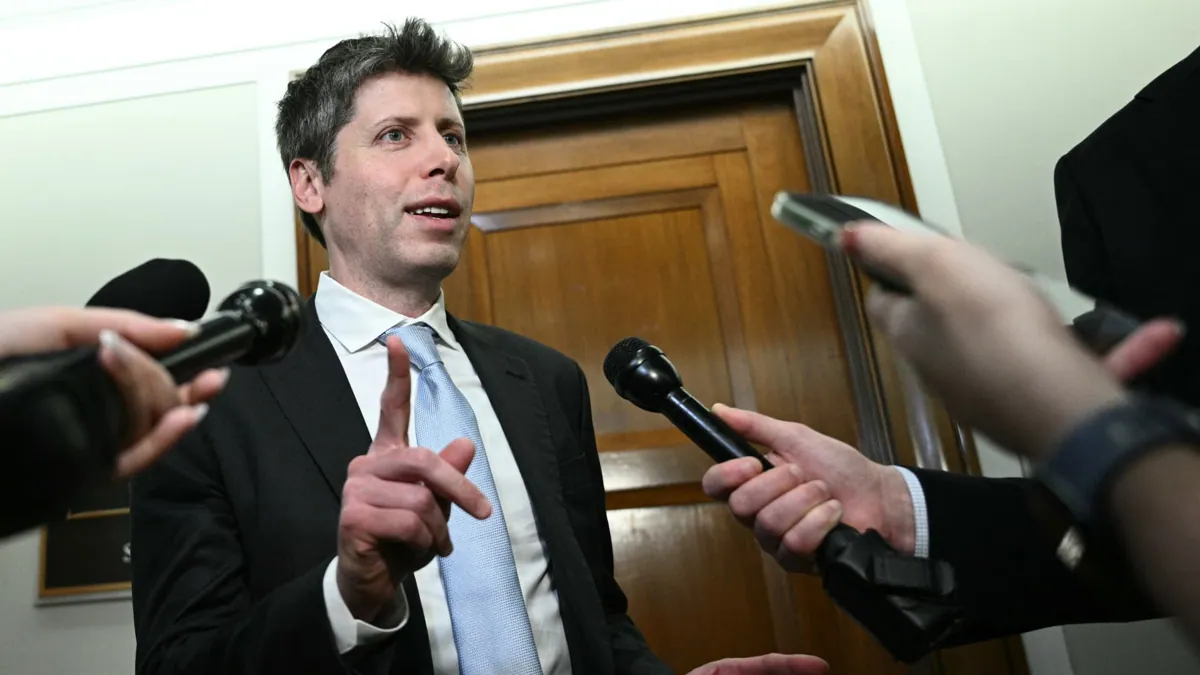
Sam Altman told CNBC on Wednesday that he's already seen the draft framework the Trump administration plans to use to implement its executive order on artificial intelligence, and that he'll sit down with White House chief of staff Susie Wiles during a swing through Washington, D.C. this week. Wiles is one of Trump's most trusted advisors and has been directly involved in shaping the administration's AI policy.
The timing isn't a coincidence. Federal agencies face an Aug. 1 deadline to spell out exactly how they'll carry out the evaluations called for in Trump's executive order, which he signed in June. That order asked AI companies to voluntarily submit their models to the government for capability assessments before releasing them publicly, but it left the actual mechanics vague. The framework due out this week is supposed to fill in those blanks.
Altman's Washington itinerary goes well beyond one meeting. He's scheduled to talk with a mix of senior administration officials, members of Congress and economists about OpenAI's upcoming models, cybersecurity concerns and where the U.S. stands in the broader global race on AI. On Wednesday, he met with Sen. Ted Cruz, R-Texas, along with several Senate Democrats. Altman described the Cruz conversation to CNBC as centering on, in his words, "what it's going to take for America to remain competitive with AI."
He's not making the trip alone in spirit. Nvidia CEO Jensen Huang is also on Capitol Hill this week, meeting with lawmakers to discuss open models and what a company spokesperson described to CNBC as "American leadership in AI." Two of the most prominent figures in the AI industry lobbying Washington in the same week, right as the government finalizes rules that will directly shape how their companies operate, is a clear signal of how high the stakes have gotten.
Why the framework matters
The executive order's voluntary evaluation request sounds modest on its face, but the details of the implementation framework will determine a lot about how much friction AI companies face before shipping new models. A loosely defined process might mean minimal delay and paperwork. A more rigorous one could mean real pre-release scrutiny of systems like the ones OpenAI is currently developing. Companies like OpenAI have every incentive to be in the room while agencies decide which version they'll get.
That's presumably why Altman wants face time with Wiles specifically. As chief of staff, she sits close to the center of how the administration is translating the executive order's broad language into actual policy. A meeting with her this close to the deadline suggests OpenAI is trying to have input, or at least clarity, before the rules are locked in rather than reacting to them afterward.
A busy week for AI diplomacy
The flurry of executive visits to Washington reflects a broader dynamic that's been building since Trump signed the order: AI companies are now treating federal policy relationships as a core part of doing business, not a side concern. Altman's agenda covering everything from cybersecurity to competitiveness with the rest of the world shows how tangled the policy conversation has become. It's not just about safety testing anymore. It's also about export competition, national security, and who gets to set the technical ground rules that other countries may end up following.
Congress, meanwhile, is wrestling with its own version of these questions. CNBC noted that OpenAI and Google DeepMind have recently made their case to lawmakers weighing the idea of a mandatory "kill switch" for AI systems, a sign that oversight discussions are moving beyond the executive branch and into legislative proposals that could impose more permanent, binding constraints than an executive order can.
With the Aug. 1 deadline just days away, this week's meetings look less like routine industry outreach and more like a final push to influence how strict, or how loose, the government's first real attempt at hands-on AI oversight turns out to be. What agencies actually publish when that deadline hits will show how much of this lobbying moved the needle.


