Sam Altman Quietly Returns to South Korea to Deepen OpenAI's Chip Alliances
The OpenAI CEO's unannounced weekend trip builds on October's Stargate partnerships with Samsung and SK Group, with talk turning to memory chips and data centers.
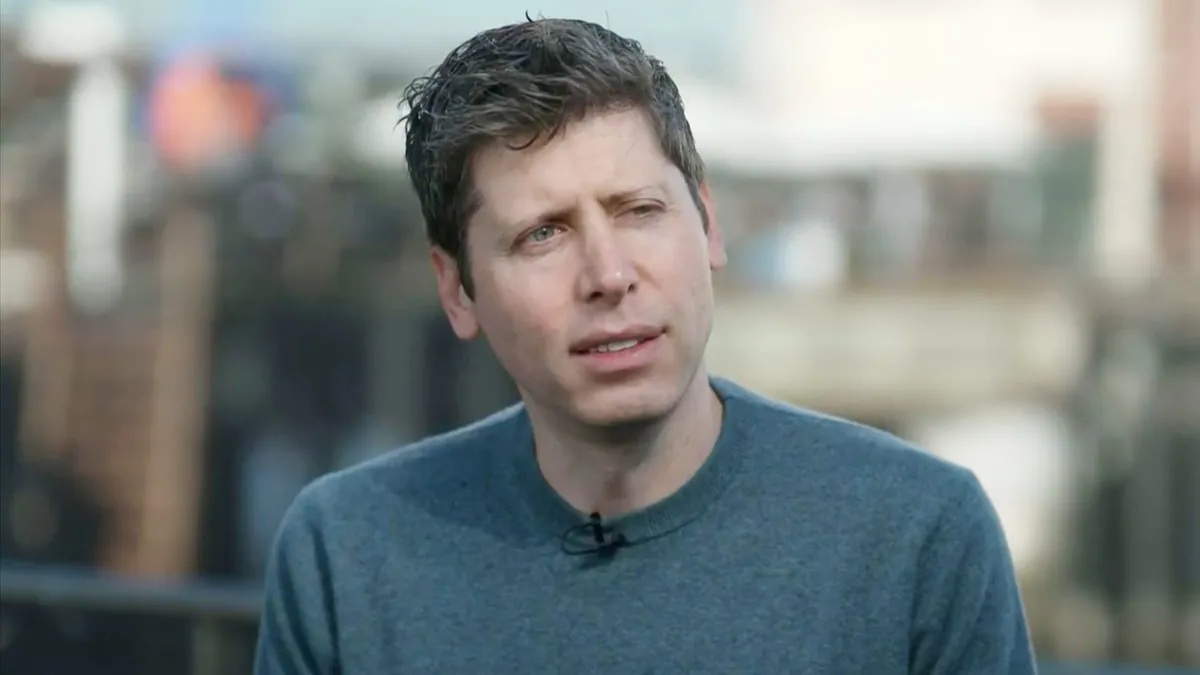
Sam Altman slipped into South Korea over the weekend without any advance notice, met with dozens of Samsung executives and reportedly sat down for lunch with SK Group Chairman Chey Tae-won, then left before most people noticed he'd arrived.
It's the kind of trip that would barely register for most CEOs. For Altman, it's the second time in about a month he's shown up in Seoul to talk chips, and it signals that OpenAI's push to lock down the hardware it needs for AI is still very much in motion.
Samsung said Saturday that Altman met with roughly 50 executives from its affiliates in Yongin, just south of Seoul, covering businesses as varied as electronics, finance and biotechnology. According to Samsung, the conversation ranged across AI developments, possible business opportunities and how the technology might reshape corporate decision-making and operations. That's a broad mandate for a single meeting, but it tracks with how OpenAI has been positioning itself lately: not just as a chatbot company, but as an infrastructure partner angling for a piece of how entire conglomerates run.
The more consequential meeting, at least for anyone watching the AI supply chain, happened separately. Altman also had lunch Saturday with SK Group Chairman Chey Tae-won, joined by senior executives from SK Hynix and SK Telecom, according to South Korean media reports. Neither side has detailed what was said, and SK Hynix told CNBC it couldn't confirm the meeting took place at all. But local reports suggest the discussion touched on AI chip cooperation and data centers, specifically the existing plans for high-bandwidth memory supply and AI data center development that the two sides have already committed to.
A sequel, not a debut
None of this is happening in a vacuum. Altman was last in South Korea in October 2025, where he met President Lee Jae Myung, Samsung Electronics Executive Chairman Jay Y. Lee, and Chey Tae-won, and used the visit to announce partnerships with both Samsung and SK Group under OpenAI's Stargate initiative. Stargate is OpenAI's effort to build out AI infrastructure on a global scale, and South Korea has emerged as one of its more significant outposts, anchored by the country's strength in memory chip manufacturing.
Under those October agreements, Samsung Electronics and SK Hynix laid out plans to scale up production of advanced memory chips, while OpenAI and its Korean partners agreed to explore building AI data centers in the country. OpenAI has pointed to South Korea's standing as one of the world's leaders in AI readiness, along with heavy public and private investment aimed at boosting competitiveness, as reasons for deepening its footprint there.
High-bandwidth memory, the kind of chip at the center of these talks, has become one of the tightest bottlenecks in AI hardware. It's the specialized memory that sits alongside AI accelerators and determines how fast a system can move data in and out of processing, and demand for it has outpaced supply as AI labs race to train and run ever-larger models. Samsung and SK Hynix are two of the handful of companies in the world that can produce it at scale, which makes them essential partners for any AI company trying to secure capacity years in advance rather than scrambling for it later.
Altman's latest stop also wasn't his only recent contact with Samsung leadership. The company said he met with Executive Chairman Jay Y. Lee back in July at OpenAI's San Francisco headquarters, suggesting the relationship has been running on a steady cadence of in-person meetings rather than a single splashy announcement followed by silence.
Why the secrecy doesn't matter much
The unannounced nature of this latest trip is notable mostly because it's a departure from the October visit, which came with presidential meetings and public partnership announcements. This one, by contrast, played out largely through Samsung's own statement and South Korean press reports, with Altman reportedly departing the country Saturday. That lower profile likely reflects where things stand in the relationship: the big framework agreements are already in place, so what's left is the harder, less photogenic work of figuring out production timelines, data center siting and who commits what capital.
For OpenAI, repeat visits to the same chip partners underscore just how dependent the company's growth plans are on physical infrastructure it doesn't own or control. Training and running frontier AI models requires enormous quantities of memory and compute, and South Korea's chipmakers are among the few suppliers capable of meeting that demand at the volumes OpenAI is reportedly planning for. Keeping those relationships warm, through regular face time with the people who run Samsung and SK, isn't optional if Stargate is going to scale the way OpenAI has described.
What comes out of this particular trip remains unclear. No new agreements were announced, and the companies involved haven't confirmed specifics of what was discussed. But the pattern is hard to miss: Altman keeps showing up in Seoul, and each visit adds another layer to a partnership that's increasingly central to how OpenAI plans to keep its AI ambitions supplied with hardware.