WSJ: Musk, Not Trump, Ordered the Starlink Slowdown That Hobbled Ukraine's Drones
The report contradicts Musk's earlier claim that only the US military and Trump control the military version of Starlink.
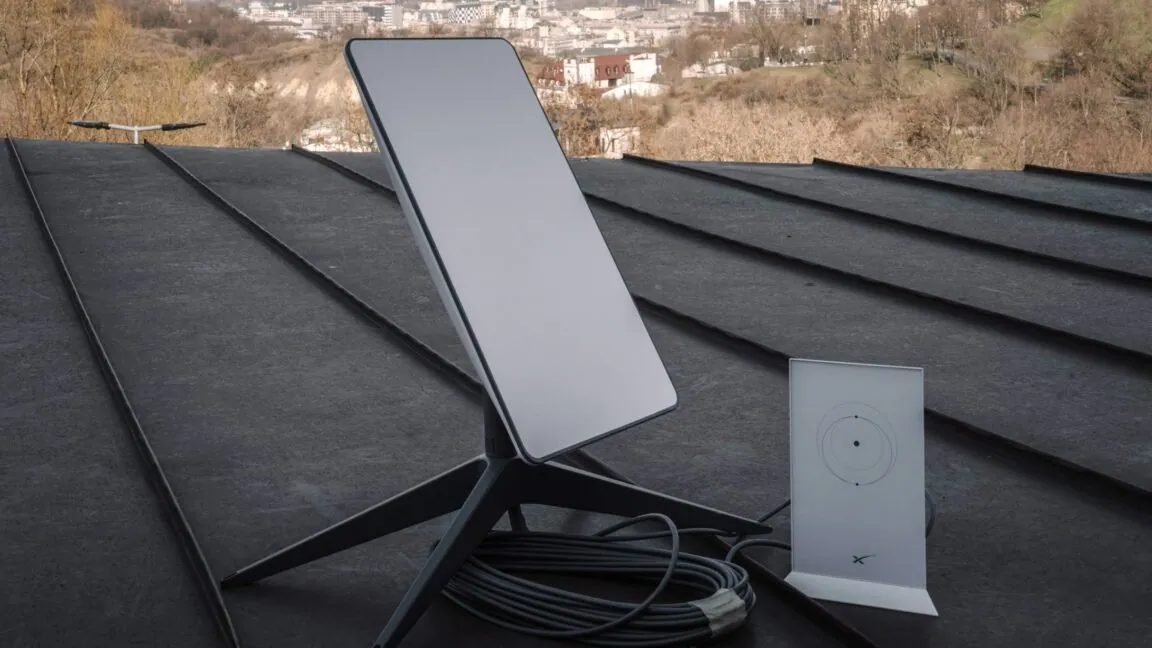
Elon Musk personally ordered the Starlink restriction that crippled Ukrainian drone operations last week, according to a Wall Street Journal report, undercutting Musk's own insistence that decisions about the military version of the service rest solely with the US military and President Trump.
The Journal, citing unnamed US officials and people familiar with the matter, reported that Musk capped the connection speeds Ukrainian hardware could maintain on the satellite network, a move that "sparked panic in Kyiv and confusion inside the Trump administration." The restriction, the paper said, left some of Ukraine's offensive and interceptor drones "virtually useless."
Trump has denied giving the order. But according to the Journal, Musk may have talked with Trump and administration officials before making his decision, and one source told the paper Musk made the final call himself. The timing lines up with public criticism from both Musk and Trump directed at Ukraine over its strikes on Russian diesel refineries.
How the restriction actually worked
Ukrainian officials say the affected system was Starshield, the military-grade satellite offering built on Starlink's underlying technology. SpaceX and government officials often use "Starlink" and "Starshield" interchangeably when discussing military applications, since Ukraine relies on both the commercial and military variants. But Ukrainian officials have been specific that the new restrictions hit Starshield.
The mechanics, as described by the Associated Press last week, were straightforward and brutal in effect: the cap, imposed without warning early Thursday, cut off a terminal's internet data connection whenever it moved faster than 160 kilometers per hour, or roughly 100 mph. That threshold is well within the normal operating speed of Ukrainian drones running on Starshield. Forced to fly slower, those drones became easier targets for Russian weapons and lost some of their ability to evade them.
A pattern of denial
The episode fits a familiar shape. Musk has publicly maintained that he doesn't make unilateral calls on military Starlink access, and that such decisions belong to the Pentagon and the White House. Trump, for his part, has flatly denied ordering the slowdown. Yet the Journal's reporting, built on accounts from officials and people with direct knowledge of the decision, points squarely at Musk as the one who pulled the trigger, with at least informal consultation with Trump and White House staff beforehand.
That distinction matters because of how much leverage Musk's companies hold over Ukraine's war effort. Starlink and Starshield aren't a side tool for Kyiv's military; they're core infrastructure for communications, drone coordination, and targeting. A single company, controlled by a single person who has openly criticized Ukrainian military actions, now appears to have the practical ability to degrade that infrastructure on his own judgment, whatever the official chain of command is supposed to look like.
The broader fallout is still developing. Ukrainian officials reacted with alarm when the cap hit without notice, according to the AP, and the confusion inside the Trump administration described by the Journal suggests even US officials weren't fully looped in before it happened. Whether the restriction stays in place, who ultimately has authority to reverse it, and what role Trump actually played in the lead-up remain open questions that neither Musk's denials nor Trump's have resolved.


