Samsung Says the RAM Shortage Driving Up PS5 and Xbox Prices Will Get Worse in 2027
The chipmaker's latest earnings show AI demand is swallowing memory supply so completely that consumer RAM barely gets a mention anymore.
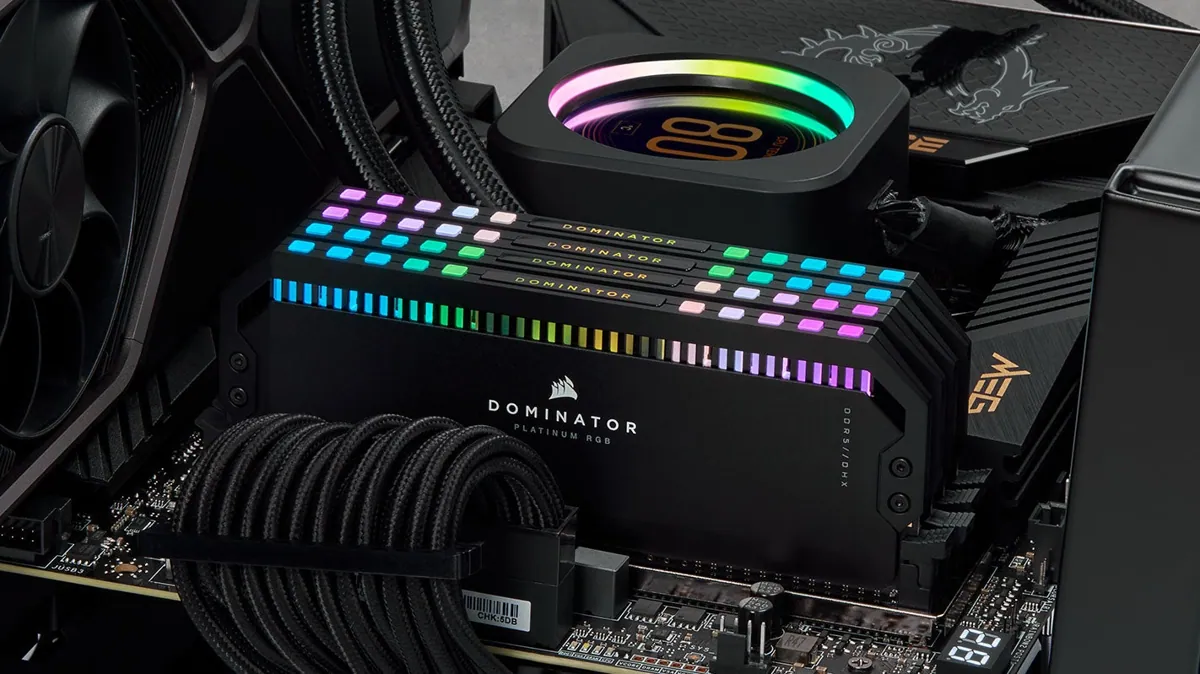
Samsung just confirmed what gamers and PC builders have been dreading: the memory shortage squeezing prices on everything from the PS5 to the Steam Machine isn't close to peaking. According to the company's Q3 2026 earnings call, 2027 is set to be worse.
The numbers explain why Samsung isn't rushing to fix it. The company's semiconductor segment, which covers its memory business, pulled in 147.1 trillion Korean Won last quarter, with 106.5 trillion of that as profit. That's 72% of Samsung's entire revenue for the quarter, and the company credits the windfall largely to prioritizing production of HBM4, the high-bandwidth memory used in AI data centers.
That priority isn't changing. Looking ahead to next year, Samsung said it expects "surging AI-driven demand" to tighten supply shortages even further compared with this year. Tellingly, the company's forward-looking comments on memory don't mention consumer-grade DDR5 at all. Instead, Samsung says its focus is building "a stable sales base through long-term contracts" and making sure new products are ready to meet AI application requirements. In other words: the data centers come first, and everyone else gets what's left.
This tracks with a Digitimes report from a couple of months ago claiming that all of 2027's memory manufacturing capacity had already been sold through. Samsung's earnings call doesn't contradict that. If anything, it confirms the shortage is real and baked in for next year, even as the company works to expand manufacturing capacity.
Why there's no easy fix
Part of what makes this squeeze so severe is that there's almost nowhere else for demand to go. Samsung is one of only three major memory manufacturers in the world, and all three have shifted their production toward high-capacity, server-grade memory built for AI data centers rather than the chips that go into a gaming PC or console. Micron, one of those three, already killed off Crucial, its consumer memory and storage brand, back in December.
With AI infrastructure spending showing no signs of slowing and only three companies capable of meeting that demand, there's no quick capacity swap that redirects supply back toward consumer products. Building new fabs takes years, and right now the economics clearly favor AI customers signing long-term contracts over consumer electronics makers buying on shorter cycles.
The fallout is already visible. The PS5 Pro sold out a couple of weeks ago, and used units are now going for as much as $1,399. Xbox CEO Asha Sharma recently said demand is outstripping supply for consoles broadly, even though the Xbox Series X and Series S remain widely available for now.
Samsung's earnings call is the clearest signal yet that this isn't a temporary blip tied to one product cycle. It's a structural shift in where memory manufacturers are pointing their factories, and consumer hardware is increasingly an afterthought. Anyone hoping prices on RAM-dependent gadgets settle down next year should brace for the opposite.


