PC Shipments Plunge 21% as Memory Prices Squeeze Buyers
Rising costs for RAM, SSDs, and chips are pushing companies toward pricier configurations and older tech, and Counterpoint Research says the slowdown isn't over yet.
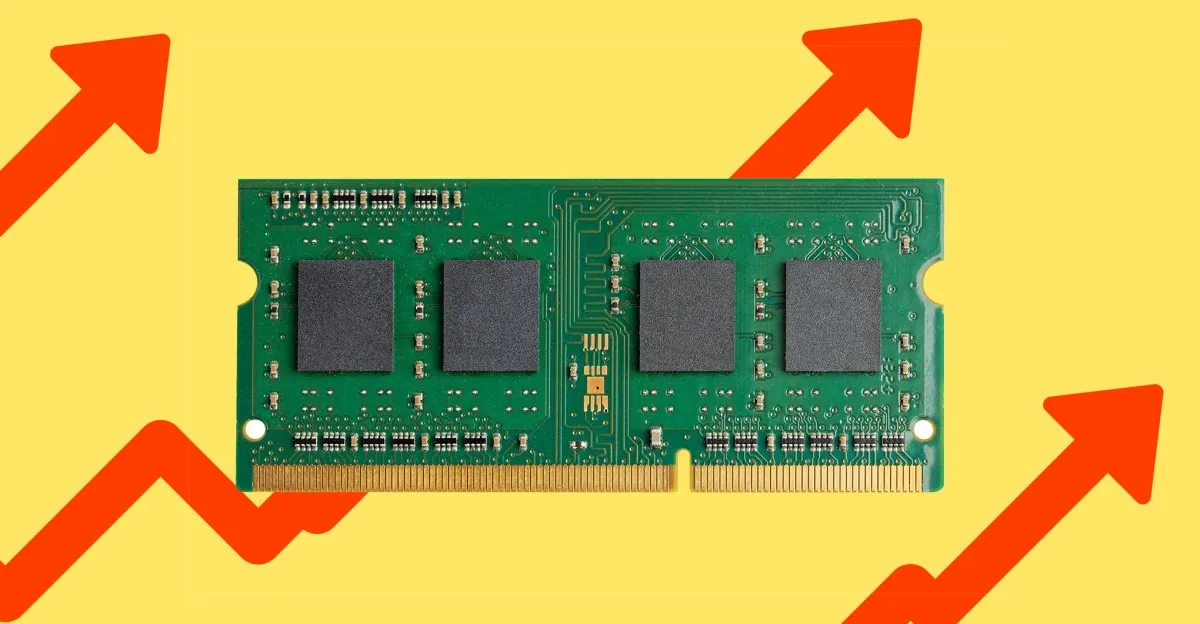
Global PC shipments fell 21 percent year-over-year in the third quarter of 2026, according to new data from Counterpoint Research. The firm's findings line up with earlier reports from IDC and Omdia, all pointing to the same culprit: component prices have gotten too expensive for a lot of buyers to stomach.
It's a sharp reversal. PC shipments had been climbing for more than two years straight, right up through Q2 2026. Then the bottom started to fall out as RAM, SSDs, and processors from Intel, AMD, and Qualcomm all got pricier, forcing manufacturers to raise prices across the board — everything from MacBooks to Raspberry Pis has seen cost increases tied to the squeeze.
The ripple effects are showing up in how companies design their lineups. Counterpoint senior analyst Minsoo Kang said some manufacturers are now choosing to "prioritize configurations that can better absorb component inflation," which in practice means fewer cheap options for shoppers who are watching their budget. A few companies are going further and digging up older technology to soften the blow, reviving DDR4 RAM and 4GB GPUs instead of pushing buyers toward newer, pricier parts.
PCs aren't alone in this. Smartphone shipments hit a 14-year low in the same quarter, suggesting the component cost crunch is hitting consumer electronics broadly rather than being a PC-specific problem.
Part of the drop also comes down to comparison math. Counterpoint noted that Q3 2025 shipments were unusually high because of buyers stocking up ahead of the Windows 10 support deadline, plus inventory shifts tied to tariffs. That made last year's numbers look inflated, which exaggerates how steep this year's year-over-year decline appears — though the underlying price pressure is real regardless of the comparison.
What's notable is that Counterpoint doesn't expect this to be a short dip. Associate director David Naranjo said shipments are projected to drop 27 percent in Q4 2026 and stay roughly flat through 2027. As Naranjo put it, "stabilization should not be mistaken for recovery."
That's the real headline buried in the numbers: even if the shipment decline levels off, nobody's expecting a rebound. The PC market seems to be settling into a smaller, pricier normal rather than bouncing back to its pre-crunch growth trajectory — a dynamic worth watching as component costs work their way through next year's product lineups.


