Paramount Agrees to Delay Warner Bros. Discovery Merger Until Trial Concludes
The $111 billion deal now hinges on a courtroom fight with a dozen states, after a judge already found it likely violates antitrust law.
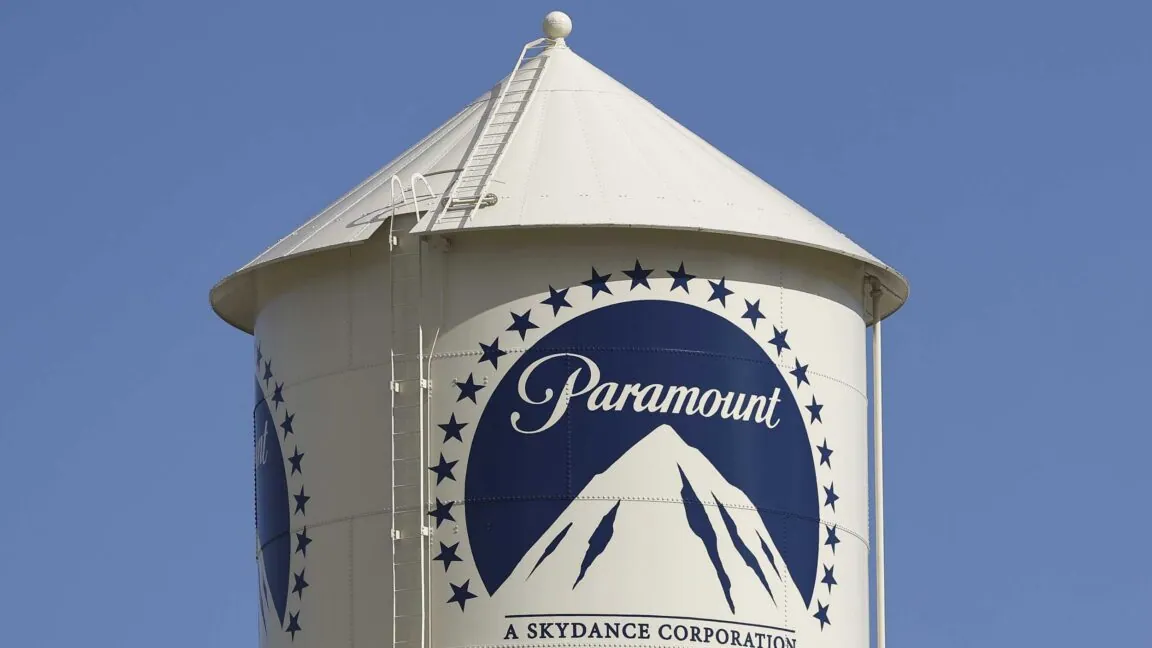
Paramount Skydance has agreed to put its $111 billion acquisition of Warner Bros. Discovery on ice until a judge rules on whether the deal is even legal, a significant retreat that hands a group of state attorneys general exactly the kind of pause they've been fighting for.
The agreement, filed in court as a stipulation, says the two companies won't finalize the merger or start combining operations until five days after a judge decides the case on its merits, or by June 1, 2027, whichever comes first. If no ruling arrives by that June deadline, the states and other plaintiffs can go back to court and seek a preliminary injunction to keep the freeze going. The Writers Guild of America, which brought its own lawsuit against the merger, signed onto the same delay.
It's a real concession, not a formality. New York Attorney General Letitia James' office described it as a months-long halt to the deal. "Halting this merger while our case proceeds is a critical victory in our efforts to uphold the law and protect the film and television industries," James said.
How we got here
The stipulation follows a courtroom loss for Paramount just days earlier. Twelve states, led by California, sued to block the merger and won a temporary restraining order on Monday. Judge Araceli Martínez-Olguín, of the US District Court for the Northern District of California, sided with the states, finding that the deal would likely reduce competition substantially and run afoul of antitrust law.
That ruling came after the merger had already cleared a major hurdle: approval from the Trump administration. According to the reporting, that approval reportedly caught Justice Department staff lawyers off guard. The attorneys leading the agency's own investigation into the deal had reportedly been leaning toward recommending the government sue to stop it, not clear it.
The states didn't wait for Washington to change its mind. They argue the merger would knock out competition at two different levels of the media business simultaneously. Paramount and Warner Bros. Discovery are two of Hollywood's five major movie studios, and separately, two of the five major owners of basic cable channels. Combining them, the states contend, consolidates power on both fronts at once.
California Attorney General Rob Bonta framed the delay as validation of that strategy. "We are eager to continue to make our case in court and celebrate another tremendous win in our effort to ensure this unlawful merger never sees the light of day," he said.
Paramount's spin
Paramount isn't treating this as a loss, at least not publicly. The company told media outlets that the agreement gives it precisely what it wanted: a fast, direct route to a full trial where the merits of the deal can be argued on the evidence, rather than a prolonged period of legal limbo built on a temporary order. In the company's words, this is "the fastest and clearest way to prove that this transaction is good for competition, good for consumers, and good for creators, a conclusion dozens of competition authorities around the world have already reached."
That's a notable framing choice. Rather than fighting the delay, Paramount is betting that a trial on the merits will vindicate the deal faster than a drawn-out injunction battle would, and that international regulators who've already approved similar tie-ups elsewhere back up its case.
What's actually at stake
The practical effect is that the merger, one of the largest media consolidations in years, now sits in a holding pattern for potentially the better part of a year, with its fate tied entirely to a courtroom outcome instead of a negotiated settlement or a quiet regulatory sign-off. That's a meaningfully different path than the one Paramount was on just a week ago, when it had federal approval in hand and seemed positioned to move forward.
For the states, the win isn't final, it's procedural. They've bought themselves time and a guarantee that Paramount and Warner Bros. Discovery can't start merging operations while the legal questions get sorted out. But the actual merits case, the one that will determine whether this deal survives at all, still has to be argued and decided.
The next real marker to watch is whether a merits ruling comes before June 1, 2027. If it doesn't, the fight moves back into preliminary injunction territory, and the merger stays frozen while that plays out too. Either way, the deal that looked cleared for takeoff after Trump administration approval is now, for the foreseeable future, stuck on the runway.


