ChatGPT's Search Volume Now Hits One-Fifth of Google's, OpenAI Says
The company's consumer product lead made the claim at a press event, while also defending the growing role of ads in ChatGPT.

OpenAI says the number of search queries flowing through ChatGPT has reached one-fifth the volume Google handles — a sign that the "just ask ChatGPT" habit is cutting into the search engine's decades-long dominance faster than many expected.
Adam Fry, OpenAI's consumer product lead for ChatGPT, shared the figure at a press event on Monday. He defined a "search" narrowly: a user query that triggers an actual web search, not simpler tasks like asking for a definition or a basic how-to answer. Fry didn't say where the comparable Google search volume number came from.
Twenty percent of Google's volume still leaves plenty of room between ChatGPT and the top spot. But the pace of the climb is what makes the number notable. During Google's 2023 antitrust trial, Microsoft CEO Satya Nadella testified that Bing held roughly 3 percent of the search market after more than ten years of trying to compete. ChatGPT has reportedly closed in on 20 percent in a fraction of that time. Notably, Google's own lawyers argued during that trial that AI chatbots like ChatGPT represented a real competitive threat to search — a position OpenAI's new numbers now seem to back up.
The infrastructure behind ChatGPT's search results isn't fully public. OpenAI is believed to rely heavily on Microsoft's Bing for a chunk of its web search results, supplemented by its own in-house search index, though there's lingering speculation that some queries get routed through Google as well.
Search is shifting shape, not just hands
The bigger story here isn't just who's winning queries, it's how the definition of "search" itself is changing. Google has been steadily pulling back on traditional link-based referrals to outside websites while pouring resources into AI Overviews and other generative features, including personalized results with charts and visualizations baked directly into the search page.
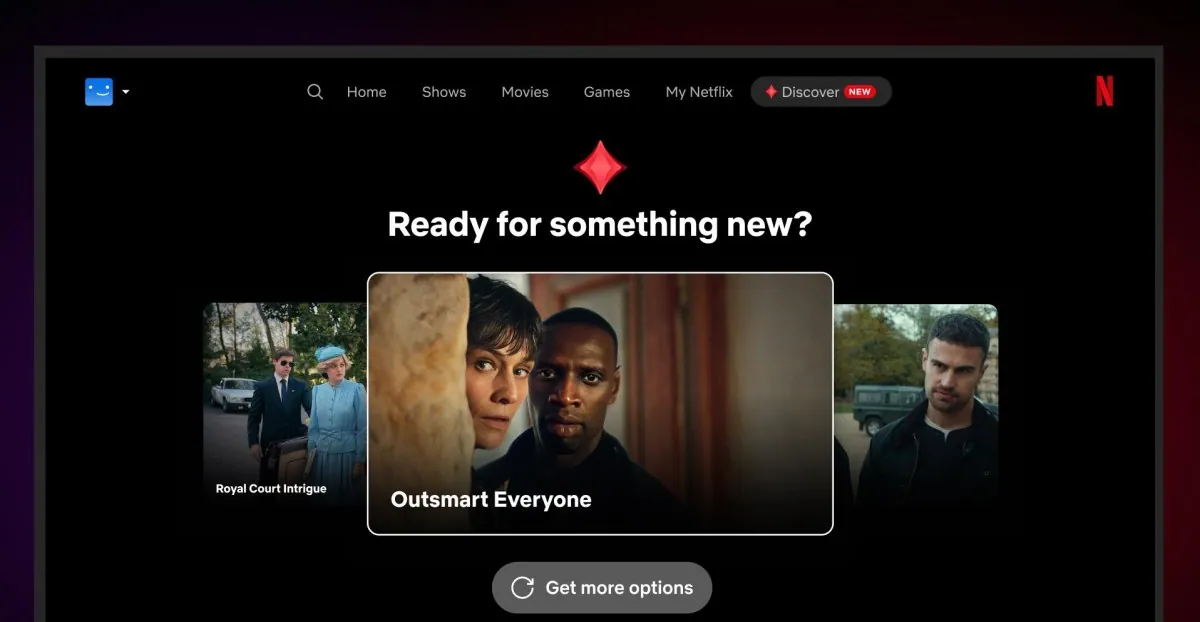
OpenAI is chasing something similar, even if it's using different branding. Fry described the company's push toward what it calls "Intelligent UI" — building visual, interactive elements directly into a chatbot's response rather than just returning text and links. "That's where the future of this technology goes. You're talking to a canvas," Fry said. It's a framing that puts OpenAI in direct competition not just with Google's search results page, but with the broader idea of what an answer should look like.
Ads are part of the plan
Like Google, OpenAI appears to see advertising as a real path toward making ChatGPT profitable, a question that's taken on new urgency as the company reportedly eyes an IPO as early as next year. Fry pushed back on the idea that ads have hurt the product's reputation or usage. "Ads have not negatively impacted the product or the usage of the product," he told reporters, adding that "most people do not seem to mind ads in the product."
That confidence tracks with OpenAI's recent moves. Last month, the company said it would start showing actual images of sponsored products and services inside ChatGPT responses, a step up from the earlier format of just a company name, logo, and link. Fry suggested the lack of backlash has only encouraged OpenAI to lean further into ads: "Ads have maybe shown us that we could be doing this more, actually."
Put together, the picture OpenAI is painting is of a product no longer just competing with Google on raw search volume, but increasingly borrowing from Google's own playbook — rich, AI-generated answers wrapped around a growing advertising business. Whether that search-volume gap keeps closing, and how users react as ads become more visually prominent inside ChatGPT, are the two threads worth watching from here.