OpenAI Brings on Former Army Secretary to Steer National Security AI Push
Dan Driscoll, who resigned as Army secretary amid friction with Defense Secretary Pete Hegseth, joins OpenAI in a newly created role aimed at national security and allied AI adoption.
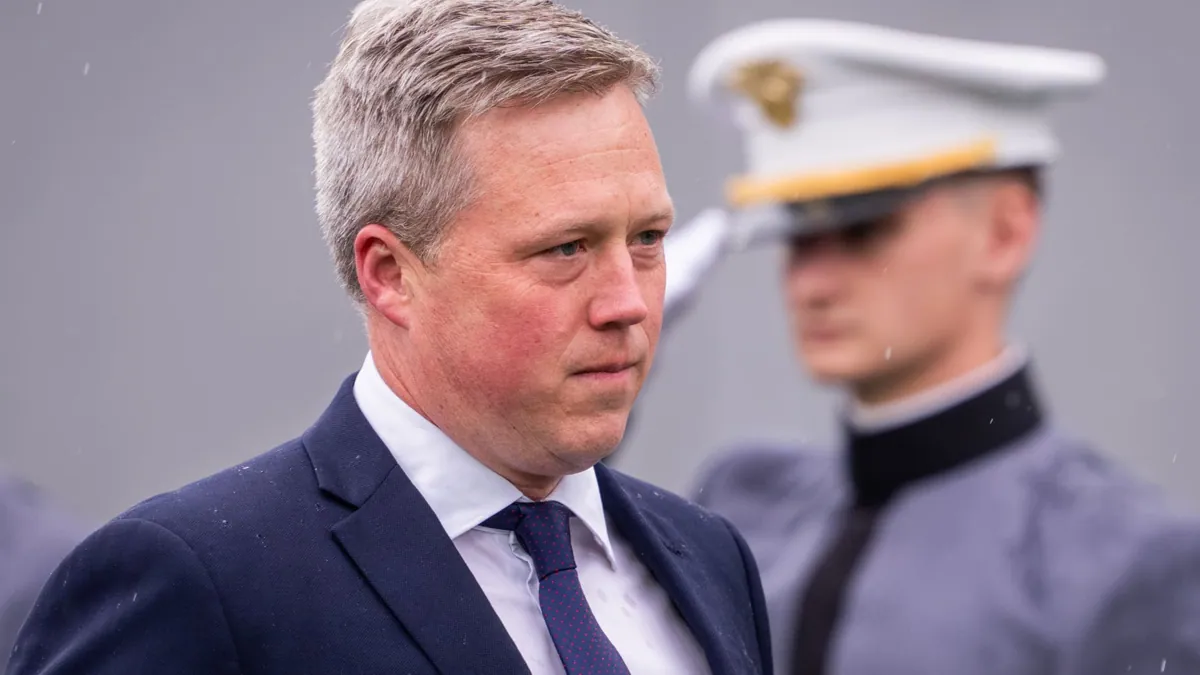
OpenAI has hired Dan Driscoll, who until earlier this year ran the U.S. Army, to fill a brand-new position: senior counselor for national security modernization. It's the kind of hire that signals where OpenAI thinks its next big growth market is — not consumer chatbots, but governments.
According to OpenAI, Driscoll will focus on how AI can strengthen U.S. national security and cybersecurity. His updated LinkedIn profile already reflects the new title. The job puts him in direct contact with OpenAI's senior leadership and a web of external partners, with a specific mandate to help U.S. allies adopt advanced AI "responsibly."
That word choice matters. OpenAI CEO Sam Altman framed the appointment around what he called an "extraordinary opportunity to work with other countries to spread the adoption of democratic AI," arguing Driscoll's presence would help cement American leadership in the technology. It's a pitch that positions OpenAI not just as a vendor to the Pentagon, but as an exporter of an AI model the U.S. wants allied nations to adopt instead of alternatives built by rivals.
Driscoll himself leaned into the urgency of that mission. "National security requirements are changing faster than at any time in the past fifty years," he said, adding that AI could help cut down on paperwork and speed up how information gets processed and delivered to the people responsible for keeping the country safe. In a statement, he put it more personally: "I'm joining OpenAI to help the U.S. and our allies put this technology to work responsibly, for the people who keep us safe."
From the Pentagon to Silicon Valley
Driscoll's path here is notable on its own. He's an Iraq war veteran who spent his tenure as Army secretary pushing to modernize the force, including expanding allied access to drone and counter-drone systems, according to a previous U.S. Army announcement. He also stepped into the diplomatic arena directly, meeting with Ukrainian President Volodymyr Zelenskyy in Kyiv in November 2025 to discuss a U.S.-proposed peace plan for ending the war with Russia, per a statement from the Presidential Office of Ukraine.
He left the Army secretary post earlier this year after months of reported tension with Defense Secretary Pete Hegseth. Moving from that friction straight into a newly invented role at OpenAI is a reminder of how porous the line between Washington's defense establishment and the AI industry has become — officials aren't just regulating these companies or buying from them, they're joining them.
What the Role Actually Involves
At OpenAI, Driscoll's job spans both outward-facing diplomacy and internal translation work. He'll engage with government officials, industry executives, academic researchers and allied organizations to push what the company brands as "democratic AI" — its term for AI development aligned with democratic institutions rather than authoritarian ones. Internally, he's expected to help OpenAI's teams better understand how national security institutions actually operate day to day, so the tools the company builds fit real operational needs rather than theoretical ones.
That internal piece connects to OpenAI's Daybreak program, an existing effort focused on strengthening cyber resilience and protecting essential services. Driscoll's hire effectively gives that program a direct line to someone who ran one of the largest branches of the U.S. military.
The bigger picture: AI companies have spent the past couple of years courting defense and intelligence work as a major growth lane, and government agencies have increasingly leaned on commercial AI labs rather than building everything in-house. Hiring someone with Driscoll's specific resume — recent Pentagon leadership, hands-on experience with allied military tech, direct involvement in live geopolitical negotiations — gives OpenAI a credible insider voice for navigating that world, and a clearer shot at becoming the AI vendor of choice not just for Washington, but for its allies too.