OnePlus Is Pulling Out of the US and Europe for Good
Oppo confirms its sub-brand will stop launching new phones in Western markets and shift existing devices to ColorOS, as reports suggest OnePlus may retreat almost entirely to China.
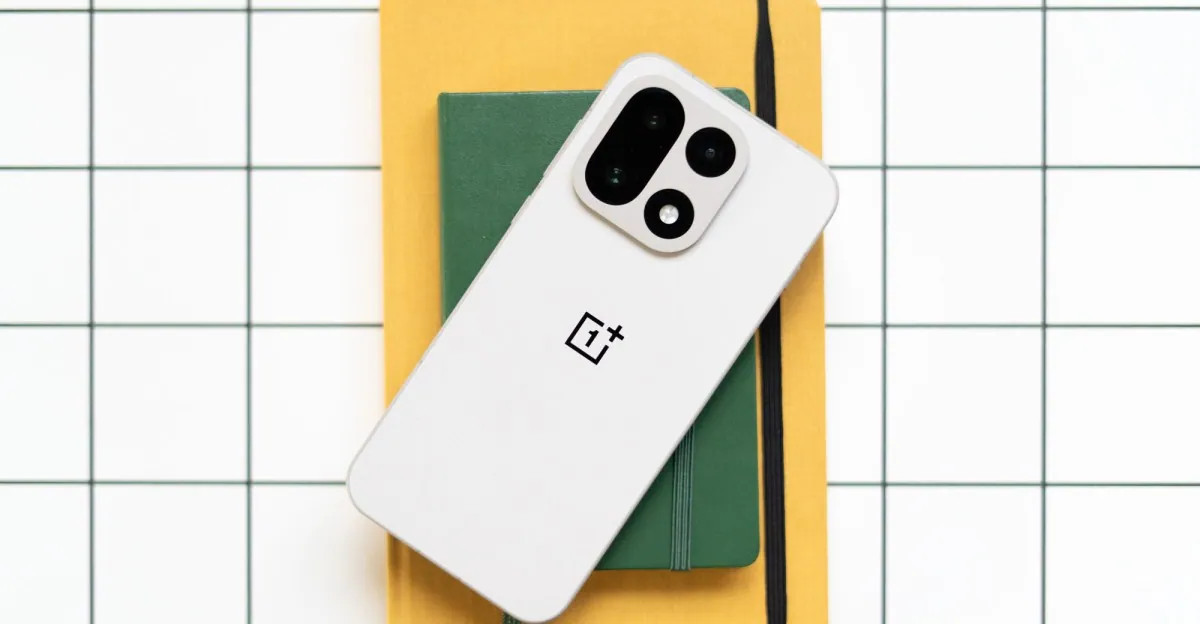
OnePlus is done launching new phones in the US and Europe. The company has confirmed what industry watchers had been predicting for a while: it's stepping back from both markets entirely, leaving parent company Oppo to clean up the aftermath and reassure existing customers they won't be abandoned.
Oppo says current OnePlus owners won't lose support outright. James Paterson, the company's senior PR manager in Europe, told The Verge that "software updates and after-sale support will be guaranteed" in both regions. But the fine print matters here. In the US, where OnePlus will now have zero physical presence, Oppo declined to say exactly how warranty and support claims will actually get handled. In Europe, the situation is a bit more concrete, since Oppo itself already sells phones there and will keep doing so.
The bigger technical shift is what happens to the software. OnePlus phones currently run OxygenOS, the company's own Android skin. According to Paterson, existing devices will be migrated over to Oppo's ColorOS "in the coming months" so that support can continue. Oppo Europe CEO Elvis Zhou noted that owners uneasy about the switch will have the option to roll back to OxygenOS, though doing so will almost certainly mean cutting yourself off from future updates. Practically speaking, that's not much of a choice at all.
A Fading Brand Beyond China
What's murkier is where this leaves OnePlus as a company. When pressed on which markets OnePlus currently operates in, or will operate in going forward, Zhou repeatedly declined to answer. That vagueness lines up with reporting from Bloomberg this week suggesting OnePlus plans to exit India, along with every other market it's still in, by next year, leaving China as the only place the brand keeps operating.
Oppo hasn't confirmed that outright. In a statement sent to The Verge after the Bloomberg report, Oppo PR representative Nicole Okpokiri would only say that "OnePlus' product roadmap in China remains unchanged." That's a narrow, carefully worded confirmation, one that notably doesn't rule out the broader retreat Bloomberg described.
OnePlus isn't the only brand under Oppo's umbrella getting restructured. Okpokiri's statement also confirmed changes at Realme, another Oppo sub-brand. Going forward, Realme will pivot to focus on markets outside China and stop launching new products domestically, essentially the inverse of what's happening with OnePlus.
There's a human cost buried in all this reshuffling, too. Asked about layoffs tied to OnePlus' contraction, Zhou offered little beyond saying the process was handled "in full accordance with the relevant laws and regulations." He confirmed that some employees were given the option to transfer into roles at Oppo, but wouldn't say how many were offered that choice or how many ultimately left the company.
What's Still Coming
Despite the uncertainty around its footprint, OnePlus hasn't stopped building phones. The company is still preparing to release its next flagship, the OnePlus 16, though whether that phone will actually launch anywhere outside China is now an open question. Meanwhile, Oppo is pushing forward with its own flagship line, the Find X10 series, and rumors point to the company developing a wide foldable phone, a format both Samsung and Apple are expected to bring to market this year.
For a brand that built a loyal following in the US and Europe on the promise of flagship performance at a lower price than Samsung or Apple, this marks a quiet but significant retreat. OnePlus spent years chipping away at that reputation with pricier releases and, more recently, growing overlap with Oppo's own lineup. Now the two brands' fates look increasingly intertwined, with ColorOS effectively absorbing what's left of OnePlus' software identity in the West. Whether OnePlus continues to exist as anything more than a China-only label may become clear only once the OnePlus 16 actually ships, or doesn't, outside its home market.


