Nvidia, Cisco Confirm Million-Dollar Gifts to Trump's White House Ballroom Project
The two companies join a growing list of tech donors to a $330 million-plus renovation fund that's drawing scrutiny from lawmakers over potential conflicts with government contracts.
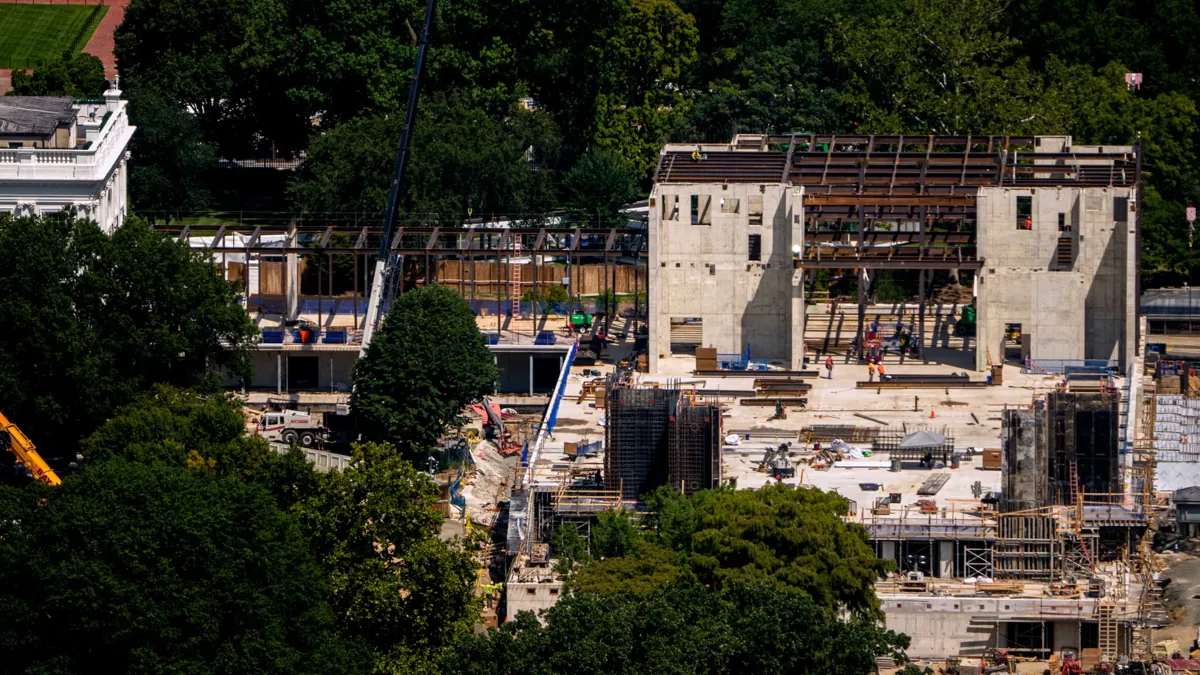
Nvidia and Cisco have confirmed they're putting money behind President Donald Trump's White House ballroom renovation, adding two more major tech names to a donor list that's already drawing uncomfortable questions in Washington.
CNBC confirmed the donations Thursday. According to a Washington Post report, Nvidia pledged $25 million, matching a contribution from Apple, and the two were among the largest gifts on a donor list topping $330 million. Cisco confirmed a $5 million donation, the same amount given by ServiceNow.
Nvidia defended the gift as a matter of civic duty rather than business strategy. "As an American company, our support for the United States is paramount, and independent of any business interests," a company spokesperson told CNBC, adding that the donation went to "a nonpartisan trust that serves all Americans" and had already been disclosed publicly.
The Post's reporting named a longer roster of tech donors beyond Nvidia and Cisco. Amazon, Palantir, ServiceNow, Meta Platforms and Microsoft are all listed as contributors in the millions. Microsoft and Meta declined to comment when CNBC asked. Apple, HP Inc., Micron, Salesforce, Vast Space, and Amazon and Palantir themselves did not immediately respond to requests for comment.
Money moving through a private trust
The donations didn't go directly to the federal government. Per the Post, contributors sent their money through a nonprofit trust and received a pledge form addressed to the "Donald J. Trump Ballroom." As of late September, the documents obtained by the Post showed 67 separate contributions above $10,000.
That structure, and the scale of the money involved, is exactly what's drawing attention from lawmakers and outside experts. Several have pushed for more transparency on who's funding the project and how much, and some have specifically flagged the risk that the donations could shape — or at least appear to shape — federal policy decisions or the awarding of government contracts to the companies writing the checks.
ServiceNow pushed back hard on that framing. "ServiceNow's business with the U.S. government is separate and unconnected to any donations we make to any cause," the company said in a statement to CNBC. "Any attempt to connect the two processes is wholly inaccurate."
Why the optics matter
The donor list reads like a who's-who of companies that have benefited, directly or indirectly, from Trump's second-term approach to tech policy. His administration has largely steered clear of the aggressive antitrust posture of the Biden years, and several of the same companies on the ballroom donor list have landed substantial federal business during that stretch, including contracts tied to artificial intelligence infrastructure and defense work, according to CNBC's reporting.
The relationships extend beyond money. Executives like Meta CEO Mark Zuckerberg and Nvidia CEO Jensen Huang have become fixtures at White House events, including state dinners and a September 29 AI-focused luncheon where both were central figures. That proximity, paired with checks written to a presidential pet project, is precisely why watchdogs are asking pointed questions about where philanthropy ends and influence-seeking begins.
Nvidia, for its part, is sticking to the line that the donation was made in good faith and disclosed openly, with no strings attached to its business interests. Whether that argument satisfies lawmakers pressing for more disclosure is the next thing to watch, as is whether more companies on the list — many of which have stayed silent so far — end up confirming or detailing their own contributions.


