OpenAI Now Accounts for Roughly 11% of Microsoft's Quarterly Revenue
New regulatory filings show the scale of the financial relationship binding the two companies even as they compete for the same AI customers.
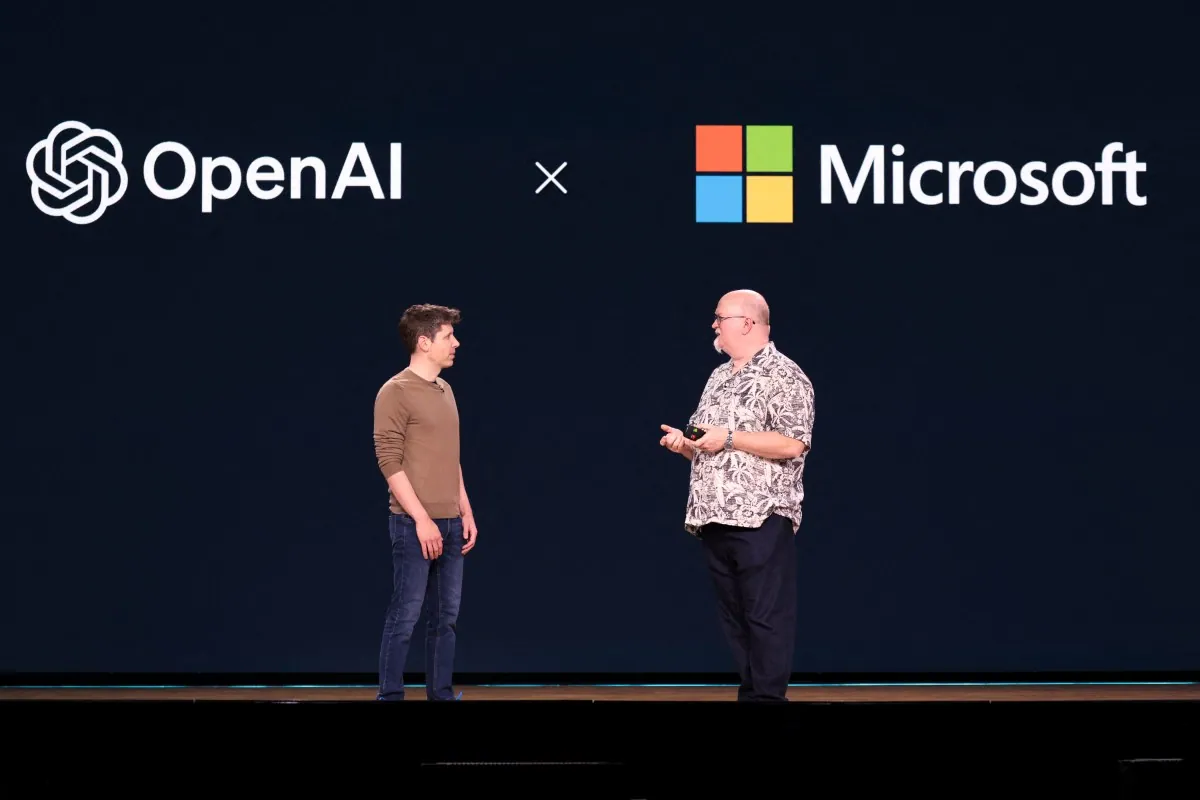
Microsoft pulled in $10 billion in revenue tied to OpenAI during the quarter ended September 30, according to a regulatory filing the company disclosed Wednesday. That figure covers commercial arrangements with OpenAI, including revenue-sharing payments, and it's a striking number on its own: nearly 11% of Microsoft's total quarterly revenue of $92.3 billion came from one company.
The quarter in question is the first of Microsoft's fiscal 2027, since the company's financial year starts in July. Zoom out to the full fiscal 2026, and OpenAI-related revenue totaled $24.1 billion. Annualize the latest quarter instead, and Microsoft is on pace for roughly $40 billion a year from its ties to OpenAI — a sharp acceleration that underscores just how central the AI lab has become to Microsoft's business, even as the two increasingly chase the same enterprise customers.
The filing also flagged $7.2 billion in outstanding receivables Microsoft is owed by OpenAI as of the end of September, up from $6 billion in June. That's not new revenue — it's money OpenAI owes for past transactions that hasn't been collected yet, a detail that matters for understanding how much cash is actually changing hands versus sitting on the books.
Microsoft didn't break out how much of the $10 billion came from revenue-sharing payments versus Azure cloud computing fees, and TechCrunch has asked the company for more detail. For context, TechCrunch reported in November 2025, citing leaked documents, that Microsoft had collected $865.8 million in net revenue-sharing payments from OpenAI over the first nine months of that year — a much smaller number, suggesting the relationship's financial weight has grown substantially since then.
The 20% cut and a longer leash
The revenue-sharing arrangement reportedly stems from an earlier deal in which Microsoft invested more than $13 billion in OpenAI, with OpenAI agreeing to hand over 20% of its revenue in return. Neither company has confirmed that percentage publicly. Under an agreement struck in April 2026, OpenAI is required to keep sharing revenue with Microsoft through 2030, though the payments are subject to a cap. Notably, that same agreement lets OpenAI work with rival cloud providers — a flexibility that would have been unthinkable under the companies' original exclusive arrangement.
That loosening actually started a bit earlier. In October 2025, Microsoft gave up its exclusive hold on OpenAI's business, freeing the startup to strike deals with other cloud providers. In exchange, OpenAI agreed to buy an additional $250 billion in Azure services as part of that October 2025 agreement — a massive forward commitment that helps explain why Microsoft's OpenAI-linked revenue keeps climbing even as the partnership becomes less exclusive.
A shrinking stake
One other number worth watching: Microsoft's ownership stake in OpenAI has been quietly declining. It stood at about 25% in June, slipped to 24% by September, and has been drifting down from roughly 27% following OpenAI's October 2025 recapitalization. Microsoft hasn't explained what's driving the dilution.
Put together, the filing paints a relationship that's financially tighter than ever even as it becomes structurally looser. Microsoft is extracting more revenue from OpenAI than at any point in the partnership's history, locked in through 2030 by contract. At the same time, OpenAI has won the freedom to shop its cloud business elsewhere, and Microsoft's equity stake keeps shrinking. The two companies are, in a very real sense, becoming both less exclusive partners and bigger business partners simultaneously — a dynamic that will be worth tracking as both sides keep competing for the same AI customers in the quarters ahead.


