Microsoft's Anthropic Bet Outshines OpenAI Stake in Latest Earnings
A single quarter of gains from Microsoft's $5 billion Anthropic investment nearly matched a full year of returns from its much larger OpenAI stake.
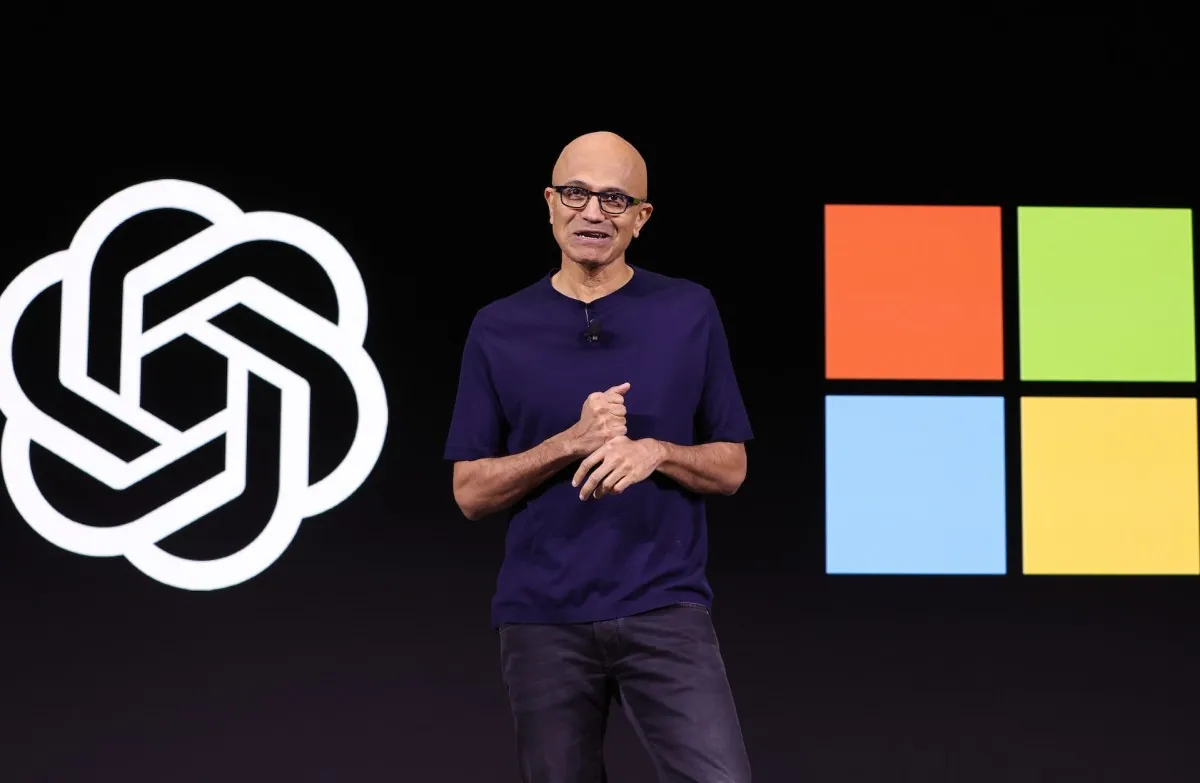
Microsoft's fourth-quarter earnings report came with an unusual side note: a direct comparison of how its bets on the world's two leading AI labs are actually paying off. The verdict, buried in the numbers, is striking. Anthropic delivered more value in three months than OpenAI did in twelve.
For the quarter, Microsoft recorded a $3.2 billion gain on its Anthropic investment, adding 33 cents to diluted earnings per share. The company reported diluted EPS of $4.81 for the quarter overall, meaning the Anthropic gain accounted for a meaningful chunk of that total. Microsoft put $5 billion into Anthropic back in November 2025, part of a deal structure that also had Anthropic committing to buy $30 billion worth of Azure cloud services. It's the kind of circular arrangement that's become common in AI dealmaking lately: the investor's cash flows into the startup, and a slice of that startup's spending flows right back to the investor's cloud business.
OpenAI told a different story this quarter. Microsoft marked down its investment in the ChatGPT maker by about $600 million, trimming diluted EPS by roughly 7 cents. That's a notable swing for a single quarter, though in the context of Microsoft's overall results, it barely registers. The company posted $90 billion in revenue and $35.8 billion in net income for the quarter alone. For the full fiscal year, which ended June 30, Microsoft brought in $331.8 billion in revenue and $133.7 billion in net income.
Two very different accounting relationships
Microsoft treats its stakes in Anthropic and OpenAI differently on the books, and it doesn't update the Anthropic figure every quarter the way it does with OpenAI. That makes this quarter's disclosure something of a rare data point, and one Microsoft apparently felt was worth calling out.
Microsoft owns about 27% of OpenAI and also collects revenue-share payments from the company, though it doesn't disclose how much those payments actually total. Instead, what shows up in earnings is the accounting value of the investment itself, which can swing up or down based on how OpenAI is performing and how it's valued.
Zoom out to the full fiscal year, and OpenAI's picture looks considerably better. Over the twelve months, Microsoft's OpenAI stake generated a $5 billion gain and added 67 cents to EPS, against a full-year diluted EPS of $17.95. So on an annual basis, OpenAI still delivered a solid result. It's just that Anthropic managed to generate nearly two-thirds of that entire annual gain in a single quarter.
Why Microsoft is telling us this
Microsoft didn't have to spell out this comparison so plainly, and the fact that it did suggests the company sees value in showing investors that its AI portfolio isn't a one-horse bet. Microsoft has poured tens of billions into OpenAI over the years and remains deeply entangled with the company through Azure infrastructure deals and product integrations across Copilot and other tools. But the Anthropic investment, comparatively new and comparatively small at $5 billion, just posted a quarterly gain that nearly rivaled a full year of OpenAI returns.
That doesn't necessarily mean Anthropic is the better long-term bet, or that OpenAI's stumble this quarter reflects some deeper problem. Investment valuations move for all sorts of reasons, including funding rounds, market comparables, and shifts in how a private company's worth gets assessed. A $600 million markdown in one quarter, against a $5 billion annual gain, is still a strong showing when you step back and look at the whole year.
What the numbers do show is that Microsoft has built itself real exposure to both major players shaping the AI industry, and that exposure is now material enough to move its own earnings per share by double-digit cents in either direction. That's a sign of how large these AI bets have become relative to Microsoft's own financial results, even for a company posting nearly $34 billion in quarterly net income.
Going forward, expect more scrutiny of exactly how these AI investment gains and losses get reported, especially as circular deals like the Anthropic-Azure arrangement become more common across the industry. When an AI lab's cloud spending is itself part of the deal that created the investment in the first place, untangling how much of a "gain" reflects genuine business value versus accounting mechanics gets complicated. Microsoft's disclosure this quarter offers a rare, concrete glimpse into how that math is playing out in real time.


