Microsoft Enters the AI Cybersecurity Arms Race With Its Own Model and Agent Platform
The company is betting that a specialized AI built to hunt vulnerabilities can outpace rivals from Anthropic, Google, and OpenAI — and the attackers using AI of their own.
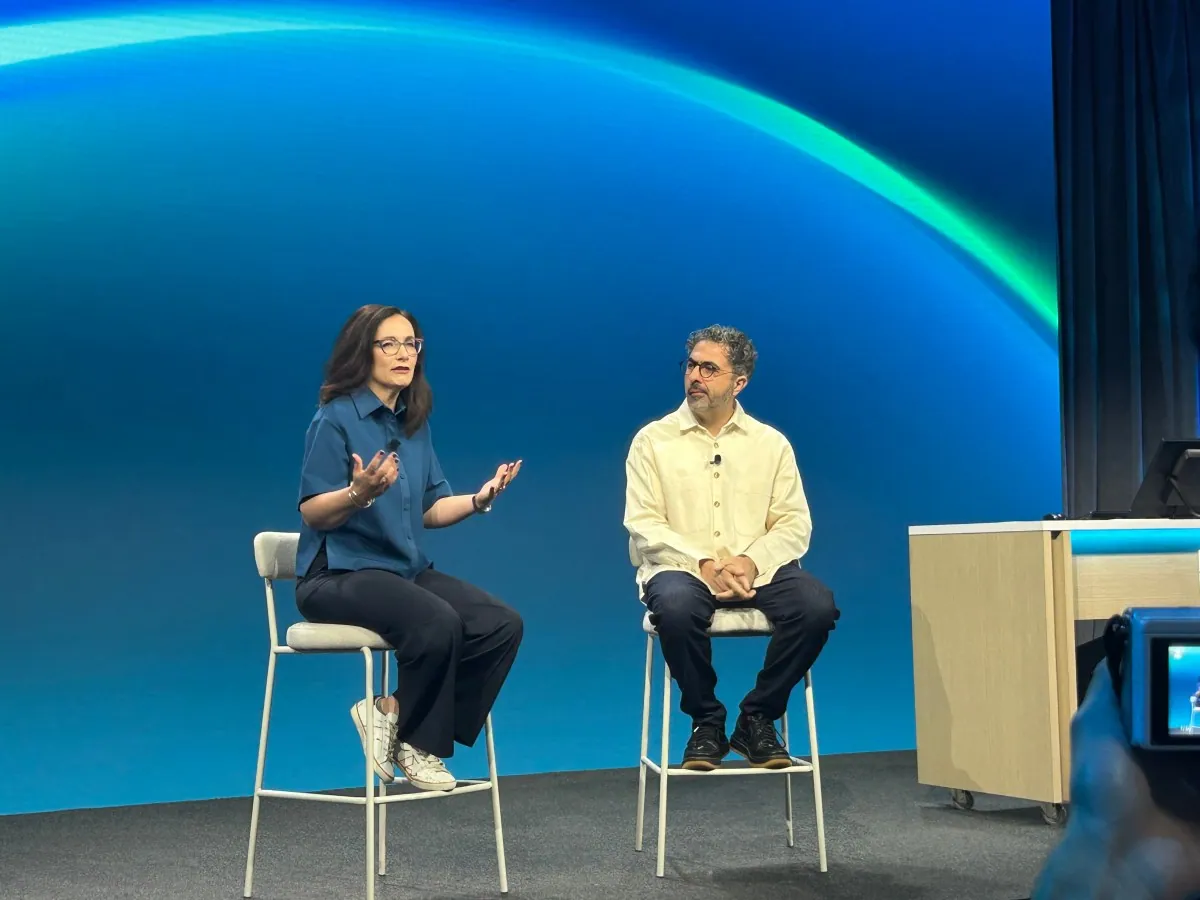
Microsoft used a small event in San Francisco on Monday to launch its first cybersecurity-specific AI model, along with a new platform meant to automate the grunt work of defending corporate networks. Together, the two products mark Microsoft's most direct challenge yet to Anthropic, Google, and OpenAI in a fast-forming battle over who builds the best AI security tools.
The model, called MAI-Cyber-1-Flash, is designed specifically to dig up hard-to-find vulnerabilities in complicated codebases. It's meant to power MDASH, Microsoft's existing framework for spotting and fixing software flaws. The new platform, named Perception, goes a step further: it deploys squads of AI agents that handle entire security workflows on their own, from finding bugs to patching them, and it can plug directly into MDASH.
Microsoft is making bold claims about the model's performance. The company says MAI-Cyber-1-Flash beats rival models while costing less to run, based on results from what it calls the industry's standard measuring stick for AI cybersecurity capability.
Mustafa Suleyman, the DeepMind co-founder who now runs Microsoft AI, laid out the comparison in blunt terms at the event. "We have MAI-1 Cyber Flash binded with GPT 5.4 inside of the MDASH harness — which beats out Gemini, GPT 5.5 Cyber, GPT 5.6 Sol, and Mythos 5 on Cyber Gym, which is the primary benchmark that we all use. The golden benchmark," he said. He added that the model is going straight into production: "We're shipping this into production immediately."
Fighting AI with AI
The logic behind Perception is straightforward: if attackers are using AI to move faster, defenders need to as well. Hayete Gallot, Microsoft's vice president for security, framed the platform as a way for corporate security teams to match criminals on their own terms, describing it as a way to "defend against AI with AI at the scale and speed that the attackers have."
Perception organizes its agents into three roles borrowed from classic security exercises. Red teams simulate attacks, modeling how a specific threat actor might try to break in and which weaknesses they'd likely target. Blue teams focus on spotting and sorting through existing bugs. Green teams take what Microsoft calls "corrective actions" to actually fix what's been found.
Dave Weston, the engineer leading Perception's development, said the system compresses work that used to require an entire specialized team into a matter of minutes. "We've gone from this taking hours and hours of manual work from multiple specialized folks across the security organization — appsec hunters, remediation engineers, you name it — and in minutes, we have a fix for all of this," Weston said. "Not only do we discover the issues and prioritize them, but we have detection, posture fixing, and even a code fix."
A crowded, high-stakes field
The timing isn't an accident. Security teams have spent the past couple of years watching AI cut both ways: it gives defenders new tools for spotting and patching flaws, but it's also opened up a wider range of tactics for criminals, who are increasingly weaving AI into their own attacks. That dynamic has made AI-driven security one of the more urgent races in the industry, and Microsoft is a late but heavily resourced entrant.
Anthropic got there first this year with Mythos, a security platform it rolled out to a limited group of partner organizations through a program called Glasswing. OpenAI followed in May with its own security offering, distributed through a program it calls Day Break. Microsoft's MAI-Cyber-1-Flash and Perception now join that lineup, with the company explicitly positioning its benchmark results against Mythos and multiple versions of GPT-based cybersecurity tools.
Microsoft says both new tools will be available in preview starting November 3. That gives the company a few months before customers can put its performance claims to a real-world test, in a market where every major AI lab now seems to think it has the edge in defending — and attacking — the software the world runs on.


