Microsoft Quietly Shifts Office AI Away From OpenAI and Anthropic to Save Money
Word and Excel are reportedly handing a growing share of user prompts to Microsoft's own MAI models instead of third-party systems it once promoted heavily.
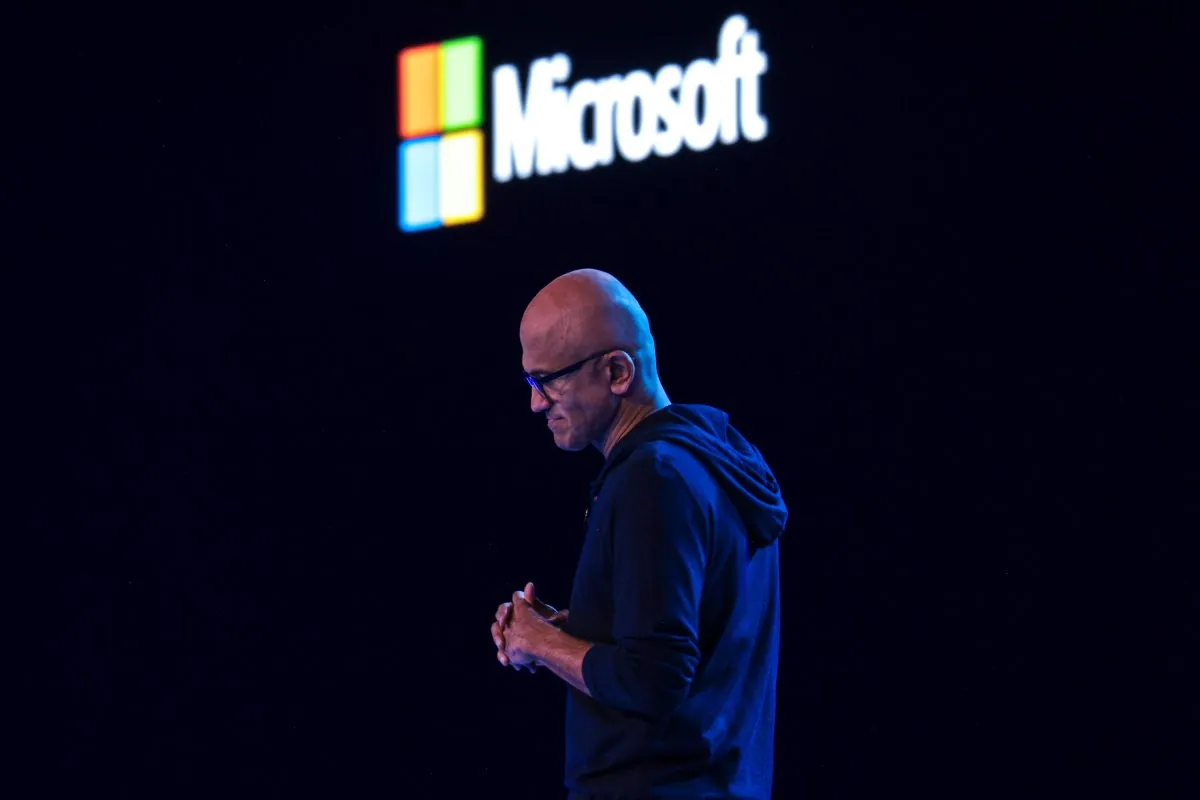
Microsoft is starting to lean on its own AI instead of paying OpenAI and Anthropic for it, at least some of the time. According to a Bloomberg report cited by TechCrunch, the company has begun routing a portion of user prompts in Word and Excel to its in-house MAI models rather than the outside systems that have powered much of Office 365's AI features until now.
That's a notable reversal in tone. Microsoft has spent the past couple of years touting its partnerships with OpenAI and Anthropic as a selling point for Office 365, making clear that those third-party models were doing serious work behind the scenes. The company hasn't dropped them. But the reported shift toward its own models in two of its flagship products signals where Microsoft wants its AI spending to go over time.
Asked for comment by TechCrunch, Microsoft said it had nothing further to share.
Building its own stack
The move isn't happening in isolation. Last month, at its Build developer conference, Microsoft announced seven new MAI models, including an agentic coding tool and a text-to-image generator. That launch already pointed toward a company trying to reduce its dependence on outside AI providers by fielding more capable homegrown alternatives across a wider range of tasks, from writing code to generating images.
Running your own models instead of paying another company for API access can cut costs substantially, especially at Microsoft's scale, where Word and Excel are used by an enormous number of people generating a constant stream of AI prompts. Every one of those requests that gets handled by an outside model comes with a bill attached. Shifting even a percentage of that volume in-house adds up fast.
Part of a bigger retreat from AI excess
Microsoft's move fits a pattern that's become increasingly visible across the tech industry in recent months. TechCrunch describes it as the tail end of a "tokenmaxxing" phase earlier this year, when companies raced to throw as much AI horsepower as possible at their products regardless of cost. That era appears to be giving way to a more budget-conscious mood. Amazon, Uber, Meta, and Accenture have all reportedly taken steps to rein in AI spending as well.
The underlying driver is straightforward: AI has gotten expensive, and the expense has become a genuine flashpoint in the industry. Running large language models at scale, whether that's answering customer support questions, drafting spreadsheets, or powering coding assistants, requires enormous amounts of compute, and that compute isn't cheap. Companies that built their products around premium third-party models are now confronting the real, recurring cost of that choice as usage climbs.
That cost pressure has pushed some companies further than internal model-building. TechCrunch notes that the sticker shock has gotten severe enough in parts of Silicon Valley that some firms are reportedly turning to Chinese AI models as a cheaper way to get agentic capabilities, despite lingering security concerns tied to that approach.
Why it matters
Microsoft occupies a unique position in this story because it's both a customer of OpenAI and one of its largest backers. The company has poured money into OpenAI and built deep product integrations around its models. A pivot toward MAI in core Office products doesn't sever that relationship, but it does suggest Microsoft is hedging, building enough of its own capability that it isn't fully at the mercy of what OpenAI or Anthropic charge for access.
For everyday users of Word and Excel, the practical difference may be invisible. A prompt answered by an MAI model versus an OpenAI or Anthropic model should, in theory, produce a comparable result. The change is happening on the business side of the ledger.
What's worth watching now is whether this becomes the norm rather than the exception, both for Microsoft and for the broader industry. If more tech companies follow Amazon, Uber, Meta, and Accenture in trimming AI costs, and more of them do it by building out their own models rather than buying access to someone else's, it could mark a real shift in how the AI business operates: less about who has the flashiest frontier model, and more about who can run AI cheaply enough to make the economics work at scale.


