Microsoft Cuts 4,800 Jobs, With Xbox and Sales Teams Hit Hardest
The layoffs come exactly a year after Microsoft eliminated roughly 9,100 positions, and the company says its Xbox division alone could shed a fifth of its staff by year's end.
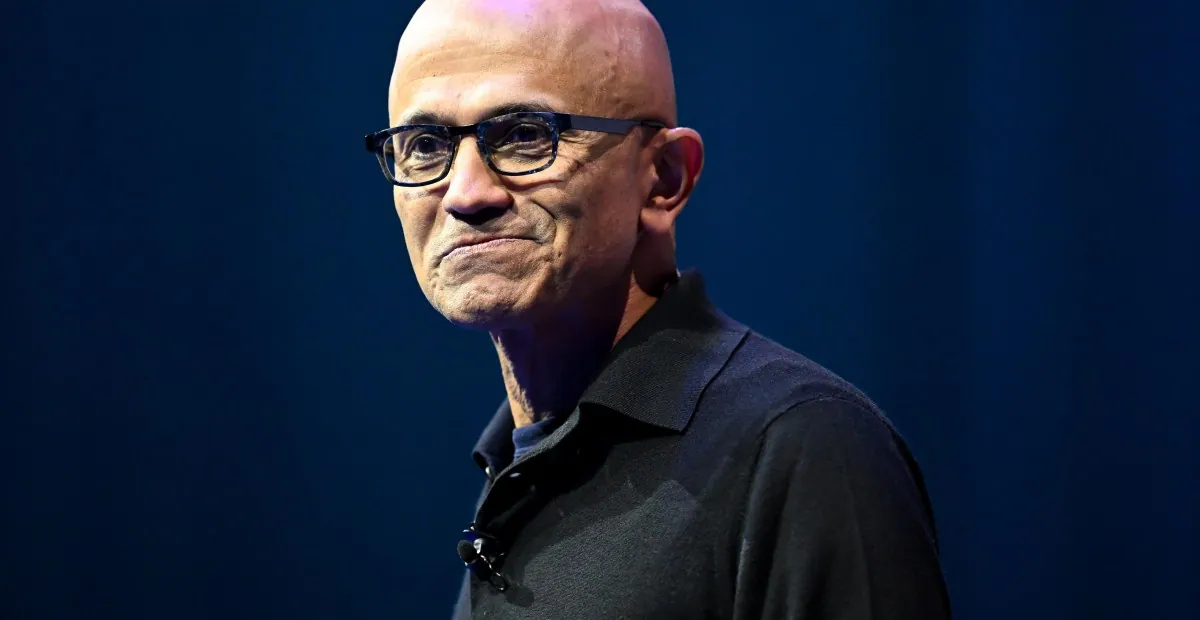
Microsoft kicked off its new financial year with another round of layoffs, cutting approximately 4,800 employees today — about 2.1 percent of its total workforce. The bulk of the cuts landed in two places: the company's commercial sales organization and its Xbox division, according to internal communications reported by The Verge.
The timing is notable. Microsoft made this move exactly one year after it eliminated around 9,100 jobs in a previous round of cuts, suggesting the company's workforce reductions have become something closer to an annual ritual than a one-off correction.
In a memo sent to employees, Amy Coleman, Microsoft's chief people officer and an executive vice president, pointed to a shifting technology landscape and the need to realign staff and roles in response to how artificial intelligence is reshaping the business. She was careful, though, to draw a line around what AI is and isn't doing here. "I also want to be direct that the roles eliminated today are not being replaced by AI," Coleman wrote. "At the same time, what is true is that AI is changing how work gets done."
That distinction matters, because it's the exact question hanging over every large tech layoff right now: is this AI displacing human jobs, or is it companies restructuring around AI-driven priorities while still needing humans, just fewer of them and in different roles? Coleman's memo lands squarely on the second explanation, though she doesn't offer specifics on what "how work gets done" changing actually looks like day to day.
Xbox bears the brunt
Of today's cuts, around 1,600 are Xbox employees, and Microsoft says that's just the start. The company plans to eliminate roughly 20 percent of Xbox's total jobs by the end of the financial year, a dramatic reduction for a division that's already been through repeated rounds of belt-tightening. Alongside the layoffs, Microsoft is selling off four Xbox studios outright and reportedly considering the sale of a fifth, part of what's being described as an effort to "reset" the Xbox business after years of struggles.
That reset framing is worth sitting with. Xbox hasn't lacked for big swings in recent years — major acquisitions, cross-platform pushes, hardware bets — but the division has also been a recurring source of layoffs even as Microsoft's overall business has thrived on the back of cloud computing and AI investment. Trimming a fifth of its workforce while simultaneously offloading studios signals a business unit still searching for its footing, not one riding high.
The retention math
Coleman's memo leaned heavily on the idea that layoffs are a last resort, not a first instinct. She said Microsoft has redeployed more than 4,000 employees into new roles over the past year, including another 500 just this month. The company also ran a voluntary retirement program aimed at reducing the need for forced cuts: US employees whose combined age and years of service added up to 70 or more were eligible, and those who opted in received five years of continued access to Microsoft's healthcare coverage, a lump-sum cash severance, and six months of accelerated vesting on unvested stock options.
According to Coleman, more than 30 percent of eligible employees took the company up on that offer. It's a meaningful uptake rate, and it suggests Microsoft was trying, at least in part, to manage its headcount reduction through attrition and incentive rather than blunt cuts alone. But the voluntary program clearly wasn't enough to avoid a fresh layoff round entirely.
"Decisions like these are never easy, and you have my commitment that we are constantly looking for ways to reduce the need for job eliminations," Coleman wrote, adding that the company would "continue to do everything we can to create opportunities for our people, reduce the need for job eliminations where possible, and responsibly support those affected with care and respect."
What it signals
Microsoft's repeated, large-scale layoffs arrive at a moment when the company is pouring enormous resources into AI infrastructure and products, a pattern echoed across much of the tech industry. Coleman's insistence that AI isn't directly replacing the eliminated roles is a distinction worth remembering the next time a tech giant announces cuts alongside an AI narrative. The company is framing this less as automation-driven job destruction and more as a broader reallocation of where it wants its money and people focused, with Xbox's ongoing struggles serving as the clearest example of a business unit still being reshaped years after it seemed like it should have stabilized.
Whether that reset actually turns Xbox around, or simply extends a longer pattern of shrinking the division piece by piece, will be the thing to watch over the rest of Microsoft's financial year.


