Meta's Louisiana AI Megaproject Balloons to $50 Billion
What started as a $10 billion data center has nearly doubled in scale and quintupled in projected cost, with Louisiana taxpayers footing part of the bill through decades-long incentives.
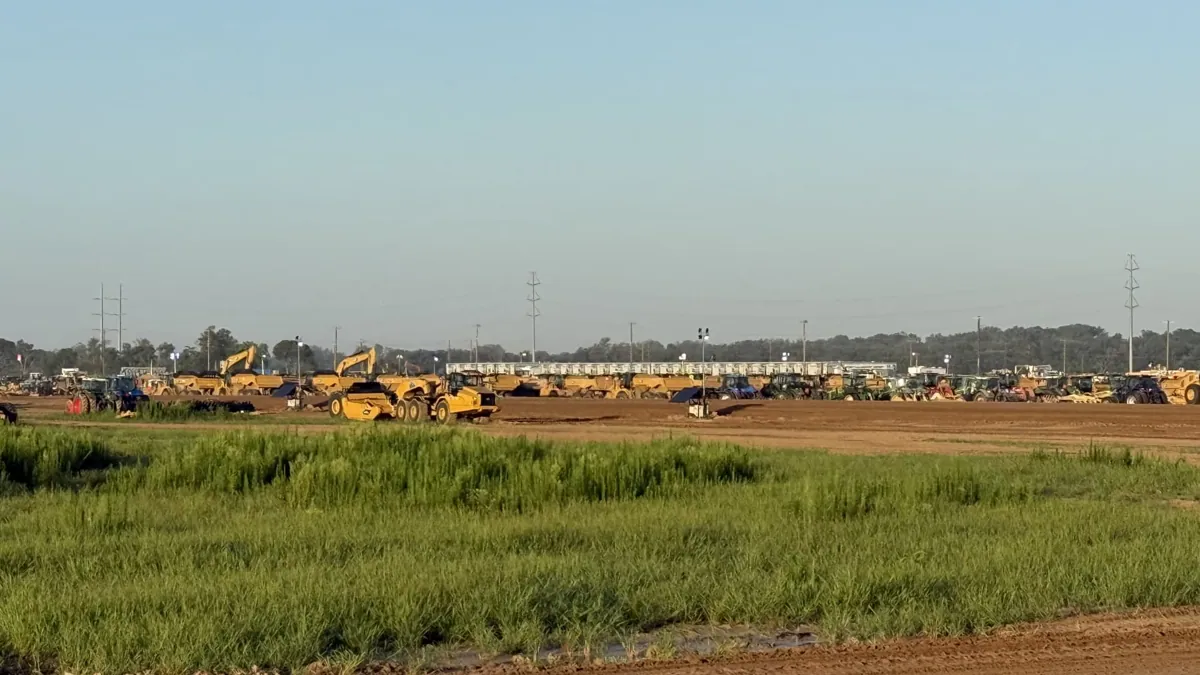
Meta's data center in rural Richland Parish, Louisiana, just got a lot bigger — and a lot more expensive. The company said in a blog post Monday that the facility, known as Hyperion, will now be built out to 5 gigawatts and cost more than $50 billion, a sharp jump from the $27 billion price tag disclosed just last October.
That October figure was itself already a major revision. Hyperion started life as a $10 billion, 2GW project. Six months after construction began in December 2024, CEO Mark Zuckerberg said on Facebook that the site would eventually scale up to 5GW. Now Meta has put a dollar figure on that ambition, and it's more than five times the original estimate.
The scale of the reversal says a lot about how fast the AI infrastructure race is moving, and how much money the major tech companies are willing to commit to stay in it.
A tax deal built to lure a giant
Louisiana didn't just get lucky. In late 2024, Republican Governor Jeff Landry signed a 20-year sales tax exemption for data centers built before 2029, a move CNBC previously reported was designed specifically to court Meta. Landry is holding a press event Monday in Baton Rouge to mark the expansion, and his framing of the arrangement has been unapologetically transactional.
"I'm a business guy," Landry told CNBC in an earlier interview. "What we know is when you look at the overall comprehensive package here, it's in the black. For local government, and the state, and how you get to the bottom line is irrespective to me."
That kind of incentive package isn't unique to Louisiana. Meta and rivals Microsoft, Alphabet and Amazon are all leaning on tax breaks and energy deals from states eager to land a piece of the AI buildout, as each company races to secure the physical infrastructure — land, power, chips — needed to train and run increasingly large AI models.
Meta says it's covering its own operational footprint at the site. The company stated it "pays the full costs of the energy, water, and related infrastructure the data center uses so consumers aren't paying the cost." It also pointed to more than $1.6 billion in contracts awarded to local businesses since construction began, and said the expanded project will bring more than $1 billion in additional local infrastructure spending, covering roads, water and wastewater systems.
Why Meta is doubling down now
The timing lines up with a strong run for Meta on Wall Street. The company just had its best stock week since early 2024, following the release of two major AI models developed under Alexandr Wang, who leads Meta Superintelligence Labs. Investors have been pressing Meta to show tangible payoff from its enormous AI spending, and the Hyperion expansion signals the company isn't backing off that bet — it's raising it.
Superclusters like Hyperion differ from conventional data centers in that they're packed with GPUs and other specialized hardware built for AI training and inference rather than general-purpose computing. Zuckerberg has described the ambitions for the site in blunt terms, writing that "Meta Superintelligence Labs will have industry-leading levels of compute and by far the greatest compute per researcher."
Notably, Meta hasn't lined up a financial partner for this latest expansion. The original 2GW buildout was backed by a joint venture with Blue Owl Capital, announced alongside the $27 billion figure in October. This time, Meta is going it alone, at least for now, without disclosing how the additional tens of billions in spending will be financed.
What's actually locked in
Despite the massive headline number, the full scope of the project remains loosely defined on a timeline. A Meta spokesperson told CNBC that Hyperion is expected to hit 2GW of capacity by 2030, but the company has given no completion date for the full 5GW build.
That ambiguity is worth sitting with. Meta is committing to a project that could ultimately cost more than $50 billion, in a facility whose final size and finish date remain open questions, backed by a two-decade tax exemption from a state government that's explicit about prioritizing the economic math over any other consideration.
For Richland Parish, the deal brings real, immediate money: contracts for local businesses, new roads, and utility upgrades. For Meta, it buys the computing capacity the company believes it needs to compete at the frontier of AI development. And for other states watching from the sidelines, it's another data point in just how far governments are willing to go, and how much they're willing to give up in tax revenue, to land the next hyperscale data center.


