Meta Reportedly Building Smart Glasses That Never Stop Watching or Listening
The "super sensing" prototypes would keep the recording light off even as they continuously capture audio and images for Meta's AI to analyze.
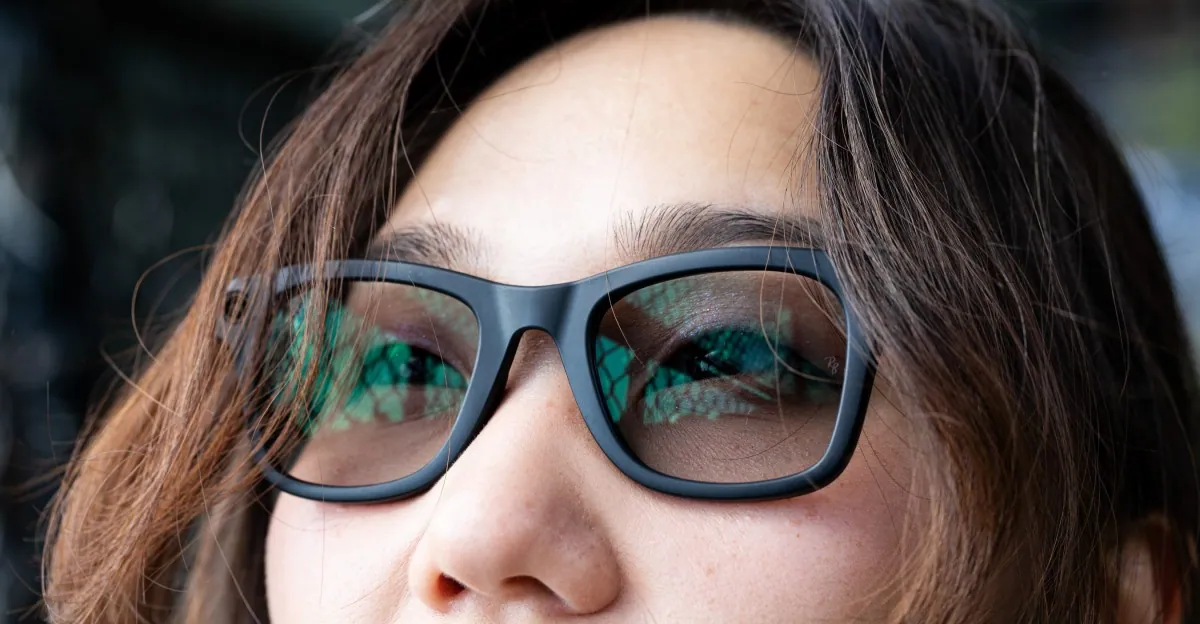
Meta is reportedly developing smart glasses designed to record audio and capture photos continuously, without turning on the LED light that normally signals the device is capturing something. The project, described by the Financial Times and reported on by The Verge, goes by the internal label "super sensing," and it would mark a significant escalation of the always-on AI wearable concept Meta has been building toward since it launched the Ray-Ban Meta line.
The pitch is that the glasses would snap photos every few seconds and continuously pick up audio, letting the wearer later ask Meta's AI assistant questions about what it saw or heard throughout the day. Rather than a device you have to consciously activate, it's meant to function more like persistent memory: an assistant that already knows the context of your day because it never stopped paying attention.
According to the FT's reporting, Meta has floated a specific technical approach meant to blunt the privacy implications. Under one proposed system, the raw photos and audio wouldn't actually be stored by Meta or made accessible to the user at all. Instead, the device would extract metadata from that footage and audio, upload just that distilled information to Meta's servers, and let the AI query it there. People familiar with the plans told the FT this approach would carry fewer privacy risks than storing the actual recordings.
Whether that argument holds up is likely to be the central debate if this technology ships. Metadata extraction means the raw footage never has to leave the device in its original form, but it still means everything the wearer sees and hears is being processed and interpreted by an AI system running more or less permanently.
The indicator light problem
The detail most likely to draw scrutiny is Meta's current plan to leave the LED recording light off during "super sensing" mode. That light exists specifically to tell bystanders when a Ray-Ban Meta wearer is filming them, and Meta has already been fighting an uphill battle to keep it meaningful.
Meta laid out its reasoning for this in a July 2025 whitepaper, cited by the FT: the company intends to reserve the LED for moments of "active capture," meaning when a user is deliberately saving a photo or video. During general "AI Feature" use, like scanning a menu or, apparently, running super sensing in the background, the light would stay off. Meta's stated logic is that keeping the light on constantly during ambient AI use would make people numb to it, undermining its value as a signal during actual deliberate recording.
The tradeoff is that if the indicator is off during super sensing, there's effectively no way for the people around the wearer to know continuous recording is happening at all. That lands at an awkward moment for Meta. The company is already dealing with fallout from reports of people using Ray-Ban Meta glasses to secretly film women, and from a cottage industry of modders who will disable the recording light for a fee. Meta announced this week that it's rolling out a software update that will shut off the camera entirely if it detects the LED has been tampered with, a direct response to that modding problem. Layering a mode where the light is intentionally off by design, even without tampering, sits in tension with that same push.
Where this fits in Meta's roadmap
Meta hasn't hidden that it's steering toward something like this. On the company's Q1 2026 earnings call, CEO Mark Zuckerberg said he was eager to see glasses evolve "from being able to answer questions to being able to be a personal agent that's with you all day long, helping you remember things and achieve your goals." A March blog post announcing new Ray-Ban Meta hardware struck a similar note, describing a future where Meta AI shifts "from something you have to prompt with a question each time, to a more continuous, in-the-moment assistant that can help throughout the day."
Super sensing appears to be the concrete technical bet behind that vision. The FT also reports Meta is weighing whether to use the data these glasses collect to train its AI models, and whether the feature could eventually be pushed to glasses that have already shipped, rather than requiring new hardware.
Meta spokesperson Dave Arnold declined to comment on internal prototypes specifically but told The Verge the company is "committed to getting our glasses right because they need to be loved by both people wearing them and those around them," adding that Meta's approach has been to build new technologies "with privacy built in from the ground up."
That framing will be tested by the details that actually ship, if this reaches product form at all. Right now it's a prototype, and Meta isn't confirming specifics. But the direction is clear enough: smart glasses that stop waiting to be asked and start watching by default, with the company betting that stripping out raw footage in favor of metadata is enough to make that palatable. Whether regulators, privacy advocates, and the people standing next to a Ray-Ban Meta wearer agree is a separate question, and one Meta will have to answer before, or after, this technology reaches the real world.


