Meta Bets $9 Billion on a Canadian Data Center as Its AI Spending Spree Keeps Growing
The Alberta facility marks Meta's first major push north of the border and its 33rd data center overall, even as investors question whether the company's AI buildout will ever pay for itself.
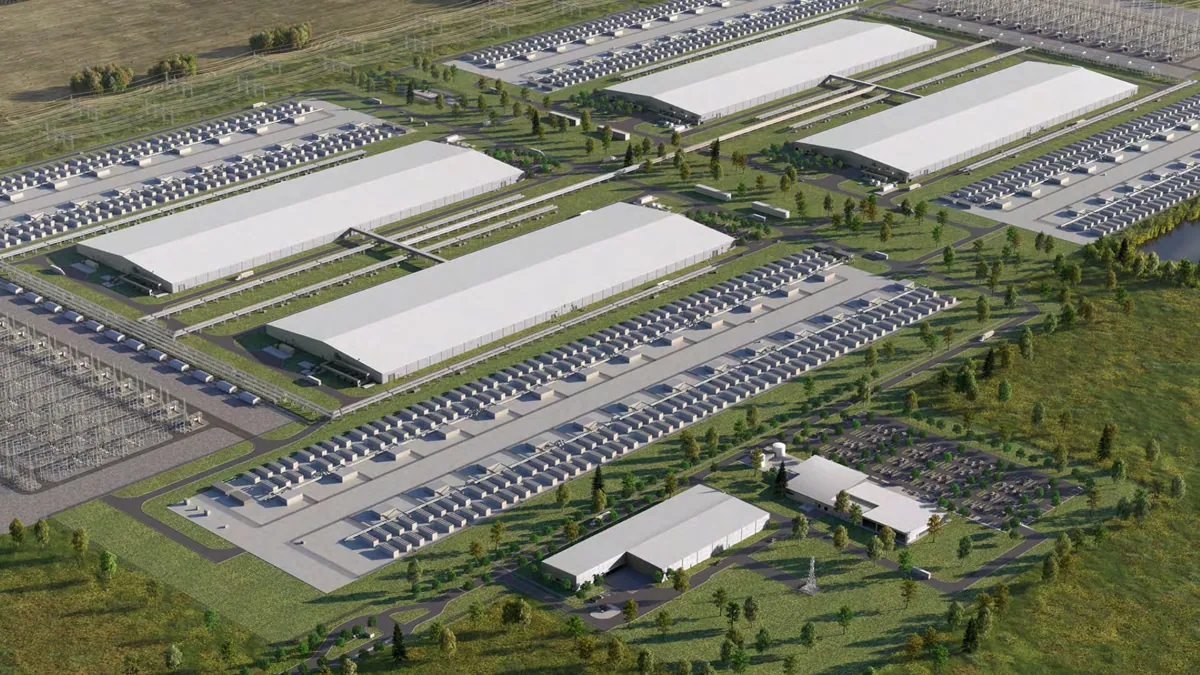
Meta is taking its AI infrastructure ambitions across the border. The company announced in a blog post Wednesday that it's building a 1 gigawatt data center in Sturgeon County, Alberta, at a cost of roughly $9 billion. Construction is expected to take two to three years, and the facility will be Meta's 33rd data center worldwide, and its first big one in Canada.
The choice of Alberta wasn't random. The province offers abundant available energy and a regulatory climate that Meta has described as friendly to this kind of large-scale industrial project. Sturgeon County itself has been zoned for industrial use for years and sits in a region with room to add more energy infrastructure, a practical necessity for a facility that will draw as much power as this one.
A Meta spokesperson explained the site selection in a statement: "This specific location met the factors we typically look for: good access to infrastructure, a robust electric grid and access to energy, a strong pool of talent, and a great set of community partners that helped us move this project forward."
To line up the power supply, Meta said it coordinated with several Canadian energy providers, including Greenlight Limited Partnership, Altalink, Capitol Power, and the Alberta Electric System Operator. The company said the goal was to secure energy commitments years ahead of the center actually coming online, a sign of how far in advance these projects now have to be planned given the sheer scale of electricity demand.
Meta says the buildout will support more than 3,000 construction jobs at peak activity, along with investment in local infrastructure and funding for community nonprofits in the area.
Part of a much bigger spending wave
The Alberta project is one piece of a much larger story: Meta's aggressive, expensive race to build the physical backbone for its AI ambitions. The company has guided toward as much as $145 billion in capital expenditures this year alone, a figure that has left some investors uneasy. Meta's stock is down about 9% year to date, even as the Nasdaq has climbed roughly 11% over the same period.
Part of that skepticism comes from where Meta stands in the AI race itself. Despite the enormous spending, the company has lagged behind model leaders like OpenAI, Anthropic, and Google, and it hasn't laid out a clear way to turn AI investment into revenue beyond its existing online advertising business. That's a notably different position from rivals like Microsoft, Amazon, and Alphabet, all of which already run substantial, profitable cloud businesses that can absorb and monetize this kind of infrastructure spending.
Meta appears to be trying to close that gap. Alongside its data center expansion, the company is reportedly developing a new cloud computing business, one that could involve renting out excess server capacity to other companies or giving outside customers access to AI models running on Meta's own infrastructure. It's an approach that would put Meta in more direct competition with the hyperscalers it currently trails in the cloud arena, using the same physical buildout it's already committed billions toward.
The tradeoffs on the ground
Massive data centers don't come free of friction for the communities that host them. A June report from the Canadian Broadcasting Corporation flagged concerns tied to large facilities like this one: emissions, heavy water consumption, and noise are among the recurring issues raised by local communities near data center developments. Those concerns are likely to follow the Alberta project as it moves from announcement to construction.
Meta's framing emphasizes the economic upside for the region: thousands of construction jobs, infrastructure investment, and nonprofit funding. Whether that's enough to offset environmental and community concerns is likely to be an ongoing conversation as the facility takes shape over the next two to three years.
For now, the Alberta data center is a clear marker of how far Meta is willing to go, geographically and financially, to keep pace in the AI infrastructure race. Whether that spending eventually translates into a business Meta can point to beyond advertising remains the open question hanging over the entire buildout.


