Meta Quietly Exits Its Renewable Energy Pledge Group as Gas Plants Multiply
The company's departure from the RE100 coalition follows a year of funding fossil fuel power plants to feed its AI data center boom.
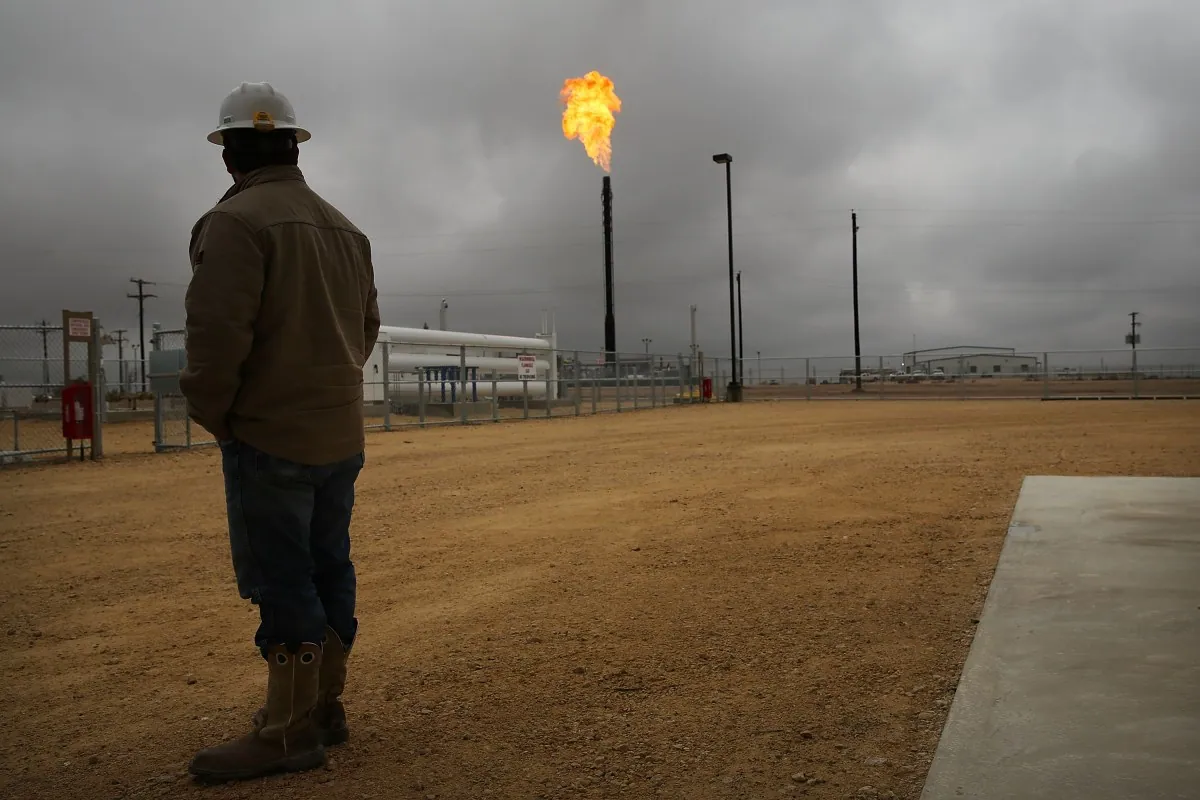
Meta has left RE100, the corporate renewable energy coalition it belonged to for a decade, the company confirmed to TechCrunch. A spokesperson called it a mutual parting of ways. The timing is hard to miss: Meta made the split official just as its bet on natural gas power has gone from a side experiment to a core part of how it plans to run its AI infrastructure.
Over the past year, Meta has funded construction on at least a dozen natural gas power plants. One project by itself will burn enough gas to generate as much electricity as the entire state of South Dakota consumes. That's not a hypothetical comparison — it's the actual scale of what the company is building to keep its AI data centers running.
RE100 is run by the Climate Group, a UK nonprofit co-founded by former Prime Minister Tony Blair, and it exists to help companies plot a path to running entirely on renewable electricity. It's not a fringe outfit. Apple, Google, and Microsoft are all still members among its 444 companies. Recharge News first reported Meta's exit.
Meta declined to explain why it left, and the Climate Group didn't respond to TechCrunch's questions either. But there's a plausible thread to pull: RE100 recently tightened its rules, requiring more rigorous reporting on how member companies are actually tracking toward their renewable targets. Meta had previously told RE100 it would run its entire operations on renewable electricity by 2020 — a target that, given its current gas buildout, looks increasingly detached from reality.
From one gas plant to ten
The escalation happened fast. Meta's first move into gas power was a 200-megawatt plant in Ohio, behind-the-meter, meaning it feeds a specific facility directly rather than the broader grid, announced last June to power one of its data centers. Two months later, the company said it would build three large gas plants in Louisiana to supply its Hyperion data center project. Then in April, Meta added seven more gas plants to that same buildout. Add it up and the ten plants tied to Hyperion alone will generate 7.5 gigawatts — again, more than enough to cover South Dakota's entire electricity demand.
Meta says it remains committed to matching its data centers' electricity use with "100% clean and renewable energy," according to the company. That's a big claim to keep making while building out fossil fuel infrastructure at this scale.
Natural gas is cleaner-burning than coal, but it's far from clean. A single 1-gigawatt data center running around the clock on gas power alone would release an estimated 438 metric tons of nitrogen oxides, 149 metric tons of fine particulate matter, 61 metric tons of sulfur oxides, and 298 metric tons of carbon monoxide every year, according to figures cited by TechCrunch. Those pollutants are linked to asthma, cancer, cardiovascular disease, and dementia, among other health problems. Multiply that by the scale of Meta's Hyperion buildout and the numbers get serious fast.
How "100% renewable" still works on paper
Here's the accounting trick that makes Meta's clean-energy claims technically defensible: environmental attribute certificates. A company can fund a solar farm in Arizona while running a gas-powered data center in Ohio, and as long as the solar farm generates as much power over a year as the data center consumes, the company can call itself 100% renewable. It's an annual-matching system, and it's what most corporations, Meta included, have relied on to hit their sustainability targets.
Some companies are pushing past that standard. Microsoft is working toward hourly matching, a much stricter approach that requires renewable generation to line up with actual electricity use in real time, not just over a full year. That distinction matters because it pushes companies toward pairing renewables with battery storage, so clean power is available when it's actually needed, rather than just offsetting dirty power on paper. Google took that route earlier this year with a renewables-plus-storage project in Minnesota.
Meta isn't the only tech giant turning to gas. Google and Microsoft have both backed large fossil fuel projects recently as AI's power demands outstrip what renewable buildouts can deliver on the necessary timeline. But among the major cloud and AI players, Meta has made the largest bet on gas by a clear margin.
Leaving a voluntary industry group doesn't usually make headlines on its own. But paired with the scale of what Meta is building in Louisiana and Ohio, the exit reads less like a technicality and more like a signal of where the company's priorities actually sit as it races to power its AI ambitions.


