Zuckerberg Says Meta Is Building AI Agents to Run Your Life — Not Just Write Your Code
On Meta's Q2 2026 earnings call, the CEO framed personal AI agents as the company's next big product bet, even as it trails rivals in the underlying technology.
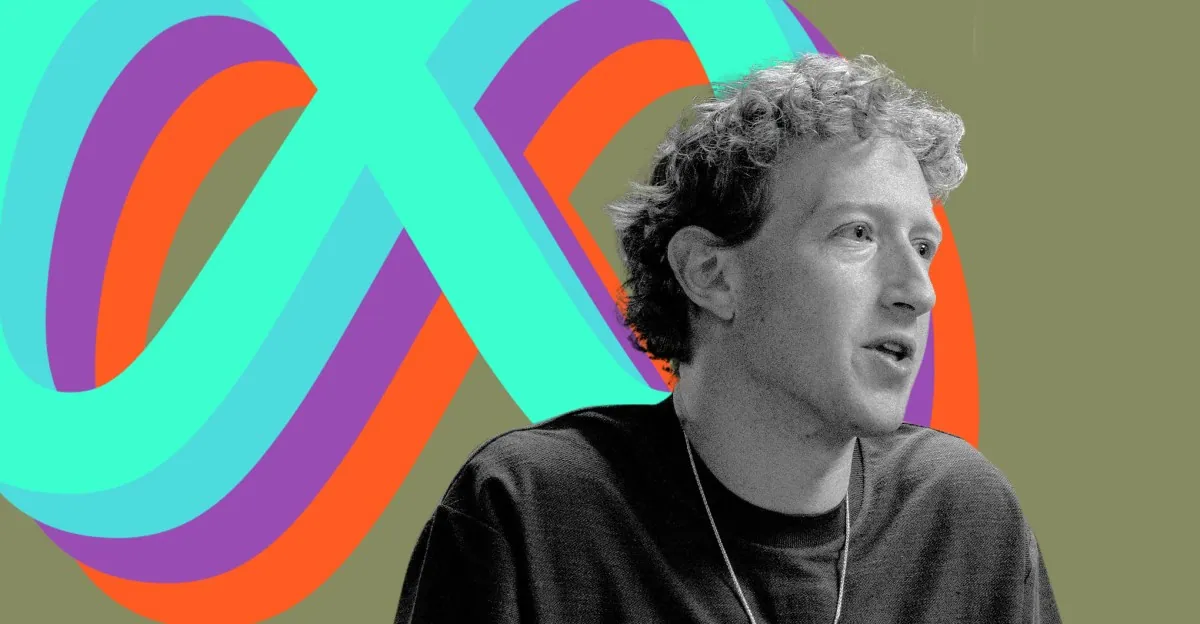
Mark Zuckerberg wants Meta's next act to be an AI agent that handles your life while you're not looking. On the company's Q2 2026 earnings call, the CEO laid out an early vision for "personal agents" that would work around the clock on a user's behalf, touching everything from health and finances to relationships and personal goals. He didn't share a product, a name, or a launch date. But he made clear this is where Meta is headed next.
"Soon we will have agents that can work 24/7 on your behalf to help you achieve your goals and improve your life, your health, your relationships, your finances, whatever you want," Zuckerberg said on the call, according to The Verge.
The framing matters as much as the ambition. Zuckerberg went out of his way to distinguish Meta's approach from the agent race already underway at Anthropic, OpenAI, and Google. Those companies have mostly built agents for coders and enterprise customers, tools aimed at people who are technical enough to tolerate rough edges and willing to spend real time configuring them to work. Zuckerberg's pitch is different: he wants something that works for everyone, right out of the box, without requiring users to be engineers to get value from it.
"The first domain that agents have really taken off in is coding. But engineers are more technical and willing to spend time making those agents work, so to build great personal agents, this needs to be a great consumer product that just works out of the box and is easy enough for billions of people to adopt and use," he said.
That's a notably different lane from where the agent conversation has mostly lived over the past year. Coding agents have become the clearest AI success story so far, precisely because developers are patient, technical users who'll debug a flaky tool until it earns its keep. Getting "billions of people," in Zuckerberg's words, to trust an AI agent with their health or finances is a much higher bar, and one nobody has cleared yet.
Meta isn't the only one chasing this
Meta is not first to this particular idea. Google has already pushed into personal AI agents with Gemini Spark, a tool The Verge's reporting describes as impressive but "creepy" in how much it knows and does unprompted. That comparison hangs over Meta's announcement: if a company with deep access to users' email, calendars, and documents can already produce something that feels invasive, the bar for Meta to make a similar product feel trustworthy is even higher.
That's because Meta has real structural disadvantages here that Google and Microsoft don't. Neither Facebook nor Instagram nor WhatsApp gives Meta the same kind of native access to a person's inbox or documents that Google's Workspace or Microsoft's 365 ecosystem provides. A personal agent is only as useful as the data and context it can pull from, and Meta's core products weren't built as productivity tools in the way Gmail or Outlook were.
Then there's the trust problem, which is arguably the bigger obstacle. Meta is currently navigating a separate backlash over privacy concerns tied to its smart glasses, and the company carries a broader reputation problem that predates this AI push entirely. Asking people to hand an AI system access to their finances or relationship details is a big ask from any company. It's a particularly hard sell from one already fighting perception issues on adjacent products.
Zuckerberg didn't offer specifics on how Meta plans to close these gaps. He said only that the company would share more "soon," while describing personal agents as central to the company's future: "the foundation for our next wave of products and revenue lines in the months and years ahead."
The business agents are already working
While the personal agent vision is still vapor, Meta does have a working version of agents on the business side, and Zuckerberg leaned on that traction to make his case. He said more than 1 million businesses are now using Meta's business agents on WhatsApp and Messenger every week, and the company is extending that same agent infrastructure to Instagram. It's a smaller, more contained version of the same idea: an AI system handling tasks — in this case, customer interactions — so a human doesn't have to.
The personal agent push also follows on the heels of Meta's Muse Spark AI model, launched last quarter and recently updated to version 1.1 with improved coding capabilities. That's part of a broader reorganization inside Meta that's put AI at the center of the company's strategy. Meta has reportedly shifted about 7,000 staffers onto new AI initiatives, even as it laid off roughly 8,000 employees in May — a reminder that the AI buildout has come with real disruption to the workforce, not just new hiring.
Meta is also backing this bet with enormous amounts of money. The company said Wednesday it expects to spend between $130 billion and $145 billion on capital expenditures in 2026, and it announced just a day before the earnings call that it's building a 1-gigawatt data center campus in partnership with BlackRock. That's the kind of infrastructure spend that only makes sense if a company believes AI products, agents included, are going to generate massive returns down the line.
Zuckerberg also used the call to note that Instagram has crossed 2 billion daily active users, a sign that Meta's core apps remain enormous even as the company reorients around AI.
None of this tells us what a Meta personal agent will actually look like, what it will be called, or when it will show up in a product people can use. What's clear is the scale of the ambition and the size of the bet behind it. Meta is spending tens of billions of dollars on the infrastructure to support it and has already reorganized thousands of employees around the effort. Whether ordinary users are willing to hand Meta the kind of access a truly useful personal agent would require is the question the company still has to answer, and Zuckerberg's "soon" is the only timeline anyone has to go on for now.


