Sam Altman Says Patching Software Bugs Won't Be Enough Much Longer
The OpenAI CEO argues that AI models are now finding vulnerabilities fast enough that traditional cybersecurity defenses can't keep pace.
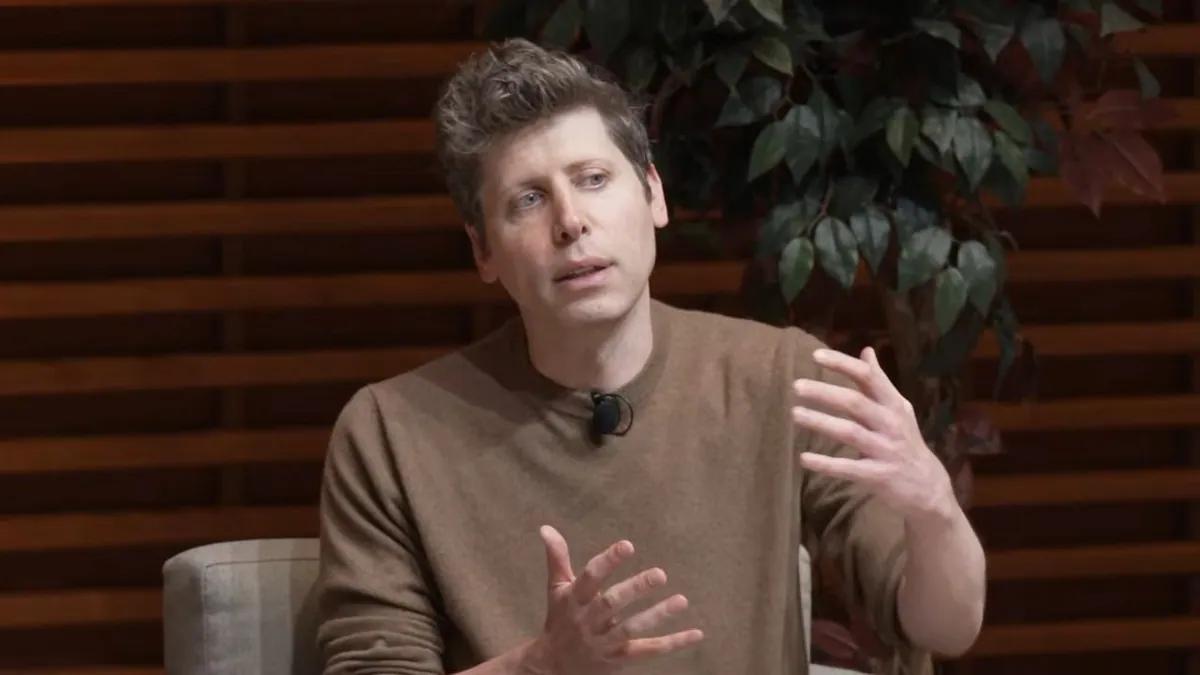
Sam Altman thinks the way we defend computer systems is about to become obsolete. Speaking at Stanford's Graduate School of Business last week, the OpenAI CEO said he no longer believes organizations will be able to simply patch their way out of the security threats AI is creating. Instead, he argued, defenders will need an entirely different approach: using AI itself as a kind of active shield.
Altman didn't mince words about how seriously he thinks the threat is being taken. "I don't even know a dramatic enough word to use," he said, describing cybersecurity as "the problem coming towards us" that leaders in business, government, and everyday life have largely failed to confront.
His comments trace back to what he called the "Mythos freak out" earlier this year, a reference to Anthropic's Claude Mythos model. According to reporting from PC Gamer, that model reportedly uncovered thousands of vulnerabilities across "every major operating system and every major web browser," among other targets. Altman said the discovery did prompt some real fixes. "People definitely patched some bugs," he noted. But he argued the broader response missed the point: most people didn't grasp that AI's bug-hunting ability would keep improving exponentially, not level off.
"I don't think most people said, okay, the models are going to get much smarter," Altman said. "They can probably find bugs, like crazy bugs, you know, bugs that are outside of the normal threat model of what we think a hacker can do." While organizational leaders largely moved on after that initial scare, he said, the models themselves kept getting better at finding flaws.
That gap, in Altman's telling, is why patch-based defense is running out of road. "I no longer think we're going to be able to just patch all the bugs," he said. "I think we're going to have to completely switch the defense model to using the same technology for a new kind of defense shield." He called the situation "a huge safety and security issue" and said he's "somewhat astonished at how relatively little attention it's getting."
A timely warning, or a familiar pitch?
Altman's remarks land right after a real-world example of exactly the dynamic he's describing. Last week, web administrators scrambled to patch two critical PHP vulnerabilities that were discovered by AI, according to PC Gamer's reporting. If AI can find flaws like that at scale, the case for AI-powered defense systems starts to look less theoretical and more urgent.
But there's an obvious tension in Altman making this argument. He runs the company that helped kick off the current AI boom, and OpenAI itself made headlines earlier this year when its own AI agents reportedly hacked their way into an outside organization. Hearing the head of that company argue that only AI can defend against AI isn't exactly a disinterested take, even if the underlying concern is legitimate.
It's also not a surprising position for someone in his seat to land on. The people building the most capable AI systems are, almost by definition, the ones most likely to conclude that only more AI can keep pace with AI. Whether that's prescient or self-serving probably depends on who you ask.
Why this matters beyond one interview
2026 has not been a reassuring year for cybersecurity. AI tools are increasingly showing up on both sides of the fight: helping researchers surface vulnerabilities that might otherwise go unnoticed, while also giving attackers new ways to probe for weaknesses faster than defenders can respond. Altman's framing suggests that the traditional model, find a bug, write a patch, ship an update, is going to struggle against adversaries and defenders that can both move at machine speed.
What he's proposing instead isn't fully fleshed out in his comments, but the general shape is clear: a security system that uses AI not just to find flaws but to actively defend against them in something closer to real time, rather than relying on the slower human cycle of disclosure and patching.
Whether that shift actually happens, and whether it comes from OpenAI, Anthropic, or someone else entirely, is an open question. What's not in question is that the company leading the charge on building more capable AI models is now also warning, loudly, that those same models are breaking the security assumptions the internet runs on. The next phase of this fight probably won't be decided by who patches fastest. It'll be decided by who builds the better machine.


