Google's Genie 4 Builds Longer, More Realistic AI Worlds With Sound
The new world model doubles simulation length, adds audio, and lets users reshape scenes on the fly with text prompts.
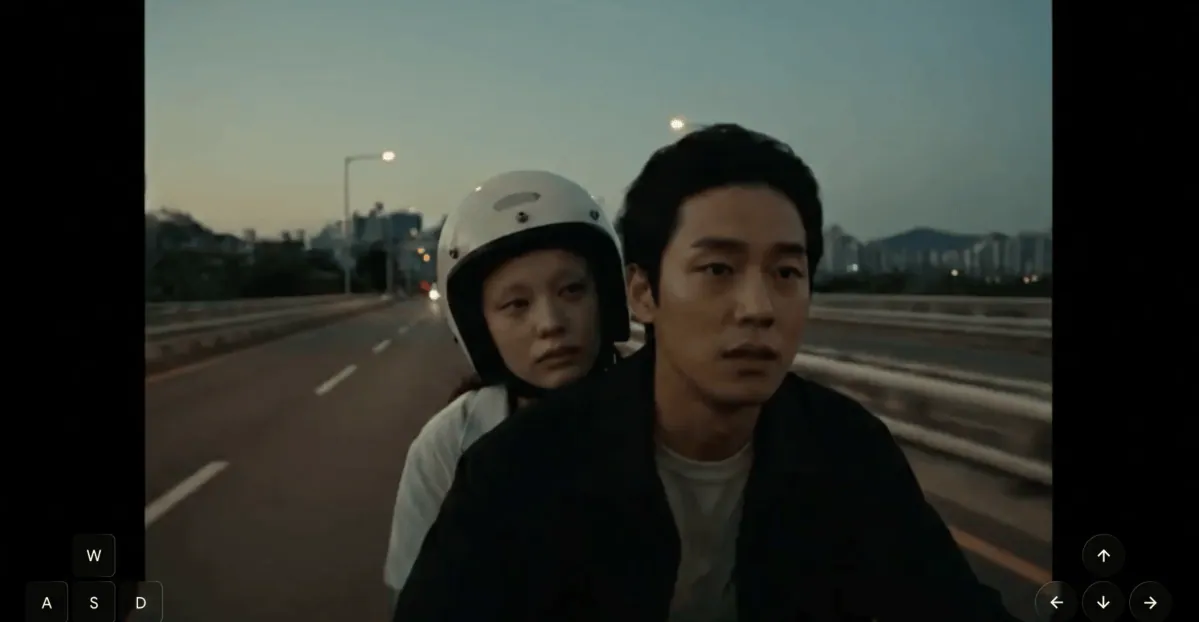
Google is rolling out Genie 4, the latest version of its AI world model that turns text prompts into interactive, explorable environments. The company says this update brings four notable changes: more realistic-looking worlds, the ability to edit a scene in real time with natural language, generated audio to accompany the visuals, and integration with Gemini 3.8 Flash to power the underlying simulations.
The most tangible upgrade may be duration. Genie 3, the previous version, topped out at roughly one minute of continuous simulation. Genie 4 stretches that to about two minutes, according to Google.
Google is positioning Genie 4 as a practical tool rather than just a tech demo. The pitch includes pre-visualization for filmmakers, early-stage prototyping for game developers, and generating training scenarios for robots. All three use cases lean on the same core idea: instead of building a fully rendered environment by hand, you describe what you want and the model generates an interactive version of it on the spot.
That said, Google is upfront about the model's limits. The company warns that as simulations run longer, objects and details can lose consistency over time — a tradeoff that comes with generating interactive worlds on the fly rather than rendering pre-built assets.
Genie 4 hasn't been independently tested yet. It's launching first as a "research preview" available only to "trusted testers," so outside reporting on how it actually performs — including comparisons to the Genie 3-powered Project Genie — isn't available yet. The Verge noted it had previously used Genie 3 to create rough, informal Nintendo-style game clones, giving some sense of the kind of experimentation Genie 3 was capable of.
Google says Genie 4 will be "coming soon" to subscribers of its Google AI Ultra plan, and the company has opened a waitlist for people who want access to try it through Project Genie.
The broader significance here is less about this specific version and more about the trajectory: each Genie release has pushed toward longer, more detailed, more editable simulations. Audio generation and real-time prompt edits in particular move the tool closer to something usable for actual pre-production work rather than just short, novel demos. Whether Genie 4 holds up under real testing — especially around that object permanence issue as simulations get longer — will be the real test once it reaches a wider pool of users.


