Sucker Punch Lays Off 26 Staff Months After Ghost of Yotei Became Sony's Top-Selling Game
The studio cites "challenges in the market" even as the samurai sequel racked up more than 5 million copies sold.
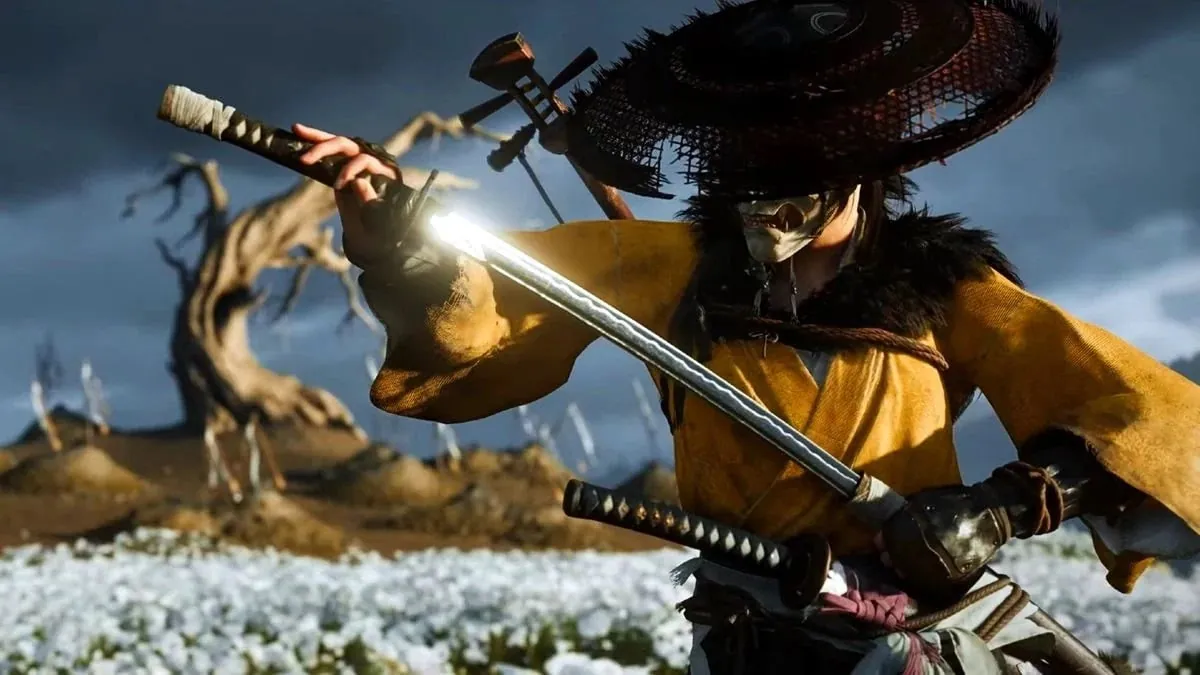
Sucker Punch Productions is cutting 26 jobs, trimming its roughly 229-person studio even though its last release, Ghost of Yotei, was Sony's best-selling game of last year. The cuts were confirmed in an internal email verified by Aftermath, and the timing is the kind of thing that makes you do a double take: this isn't a studio papering over a flop. Ghost of Yotei has sold more than 5 million copies since launch.
In the email, leadership pointed to "challenges in the market" and said the studio had been "reviewing the team needs for our next project," though no details were given about what that next game actually is. The message acknowledged the weight of the moment, with one line reading: "There's no getting around that this is a hard day." Sucker Punch said it would share more information about its future plans the following week.
That phrase, "challenges in the market," is doing a lot of work here, because it's hard to square with the numbers. A studio whose most recent release became its parent company's top seller for the year isn't an obvious candidate for layoffs on paper. The gap between that commercial result and this outcome says something about where the pressure is actually coming from: not from whether a game sells, but from the ballooning cost of making one in the first place, and how much of the resulting revenue gets eaten up before it reaches the people who built it.
Sucker Punch has a long history at Sony, having joined the PlayStation family back in August 2011, not long after shipping Infamous 2 on the PS3. Before Ghost of Tsushima and its sequel Ghost of Yotei turned the studio into one of PlayStation's flagship samurai-adventure teams, Sucker Punch built its name on the Infamous superhero series and the earlier Sly Cooper platformers.
The layoffs land as yet another data point in a run of cuts across the games industry that have continued even at studios putting out genuine hits, underscoring that a successful launch no longer functions as job security the way it once did.


