NHTSA Tells Robotaxi Makers: Fix Your Emergency-Scene Problem by Month's End
Federal regulators say self-driving cars keep blocking ambulances, fire trucks, and police, and they're done treating it as an edge case.
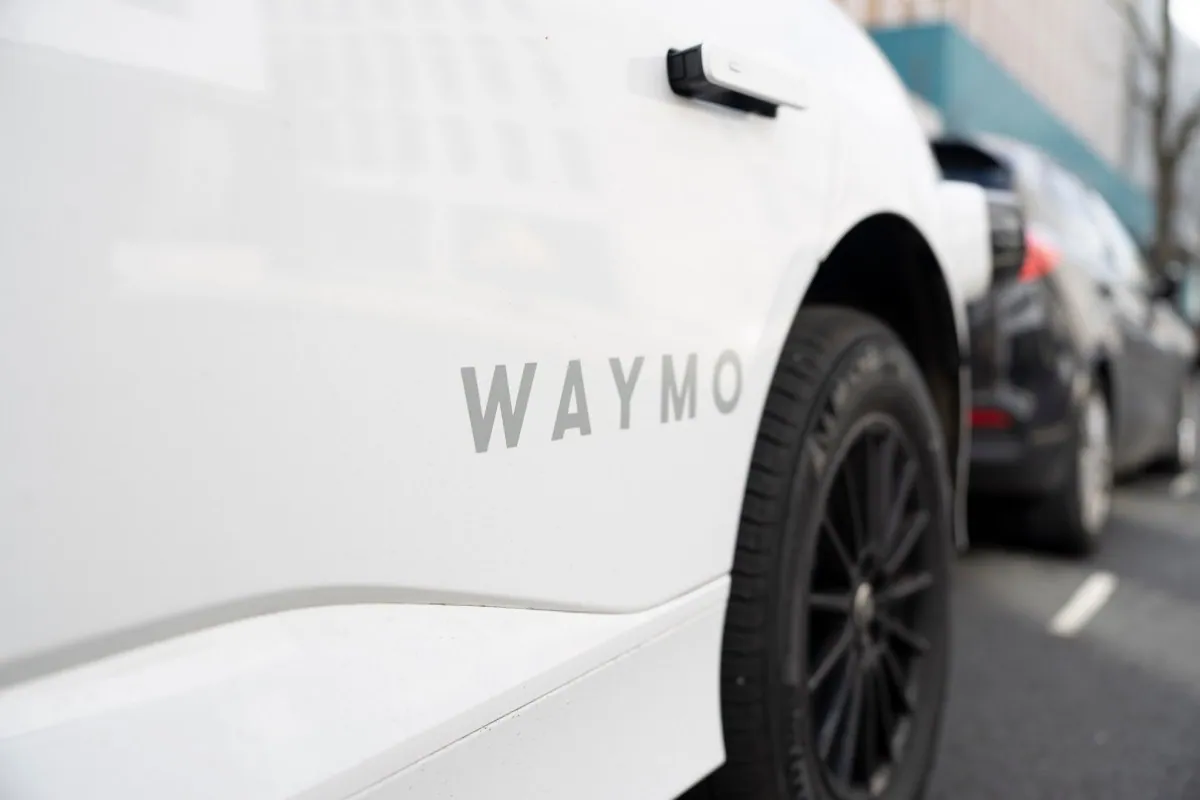
The National Highway Traffic Safety Administration has had enough of driverless cars getting in the way of ambulances, fire trucks, and police cruisers. On Wednesday, NHTSA Administrator Jonathan Morrison sent a letter to autonomous vehicle developers demanding they explain how they plan to stop their vehicles from interfering with first responders, with a deadline of the end of the month.
The letter doesn't mince words. Morrison wrote that the agency has "identified a clear pattern of driverless AVs interfering with law enforcement and other first responders," pointing to cases where autonomous vehicles drove straight into active emergency scenes, blocked ambulances and firefighters trying to get through, or simply failed to react to obvious hazard signals: flashing lights, flares, smoke, fire, traffic cones.
His framing is pointed. This isn't a rare glitch, he argues, it's a basic capability the vehicles are missing. "The inability to detect and appropriately respond to such situations represents a functional insufficiency," the letter states. "Emergency scenes are not rare or extreme 'edge cases.'"
NHTSA doesn't name a specific company in the letter. But the details line up closely with the pattern of problems that have followed Waymo, which runs the largest robotaxi fleet in the country, with cars operating in Los Angeles, Phoenix, and San Francisco. Waymo declined to comment when asked about the directive.
A pattern, not an anomaly
The timing tracks with reporting that's been building for months. A TechCrunch investigation earlier this year documented at least six incidents through March in which first responders had to physically climb into a Waymo vehicle and move it themselves to clear the way during an emergency. In one of those cases, an officer was in the middle of responding to a mass shooting when a Waymo needed to be moved. In June, a police officer was filmed relocating a Waymo to unblock a road so first responders could reach a natural gas explosion at an apartment building.
Those incidents matter because they cut against the core sales pitch of autonomous driving: that software can react more consistently and safely than a distracted or tired human ever could. Emergency scenes are exactly the kind of chaotic, fast-changing environment where that promise gets tested hardest, and where getting it wrong has immediate, physical consequences. A blocked ambulance isn't an abstract compliance failure. It's lost seconds that matter for someone in the back of that vehicle.
Morrison's letter draws that comparison directly. Human drivers who obstruct emergency responders can face fines or jail time, he notes, and the clear implication is that AV operators shouldn't expect a pass just because there's no person behind the wheel making the decision in the moment.
What NHTSA is and isn't demanding
The letter is notably light on specifics. It doesn't spell out what an acceptable fix looks like, and it doesn't say what happens to companies that miss the deadline or fail to satisfy regulators with their response. What it does make clear is that NHTSA expects developers to treat this as an urgent engineering priority rather than a long-term research question, and that some form of accountability is on the table given the comparison to how the agency treats human drivers.
The letter arrived alongside a broader push from NHTSA to update the Federal Motor Vehicle Safety Standards, the rules that dictate what equipment and design features a car legally needs. Last week the agency released its 2026 Regulatory Plan and Unified Agenda, laying out proposed changes that would matter a great deal to companies building vehicles without traditional driver controls. NHTSA has already floated eliminating requirements for windshield wipers, sun visors, defogging systems, and tire placards, rules written for cars with a human driver that don't obviously apply to a vehicle like Zoox's boxy, wheel-less robotaxi or the driverless versions of Tesla's planned fleet.
That regulatory flexibility cuts in an interesting direction alongside this week's letter. NHTSA is simultaneously easing some of the physical design requirements that don't make sense for a car without a steering wheel, while tightening its expectations on the behavioral side: how these vehicles perceive and respond to the messiest, highest-stakes situations on the road. Companies like Tesla and Zoox, both pushing toward vehicles stripped of manual controls, stand to benefit from the equipment rule changes, but they'll also be squarely in scope for whatever comes out of this emergency-response push.
For now, the ball is in the AV industry's court. NHTSA has set a deadline, made its expectations plain, and left the actual fix up to the companies building these systems. What they come back with by the end of the month will say a lot about how close autonomous driving really is to handling the world as it actually is, sirens, flares, and all, rather than the tidier version it was trained on.


