FAA Hands Boeing Back the Keys to Certify Its Own Planes
After a January 2024 door-plug blowout renewed scrutiny of Boeing's manufacturing, regulators say eight months of matching quality results justify restoring the company's self-certification authority.
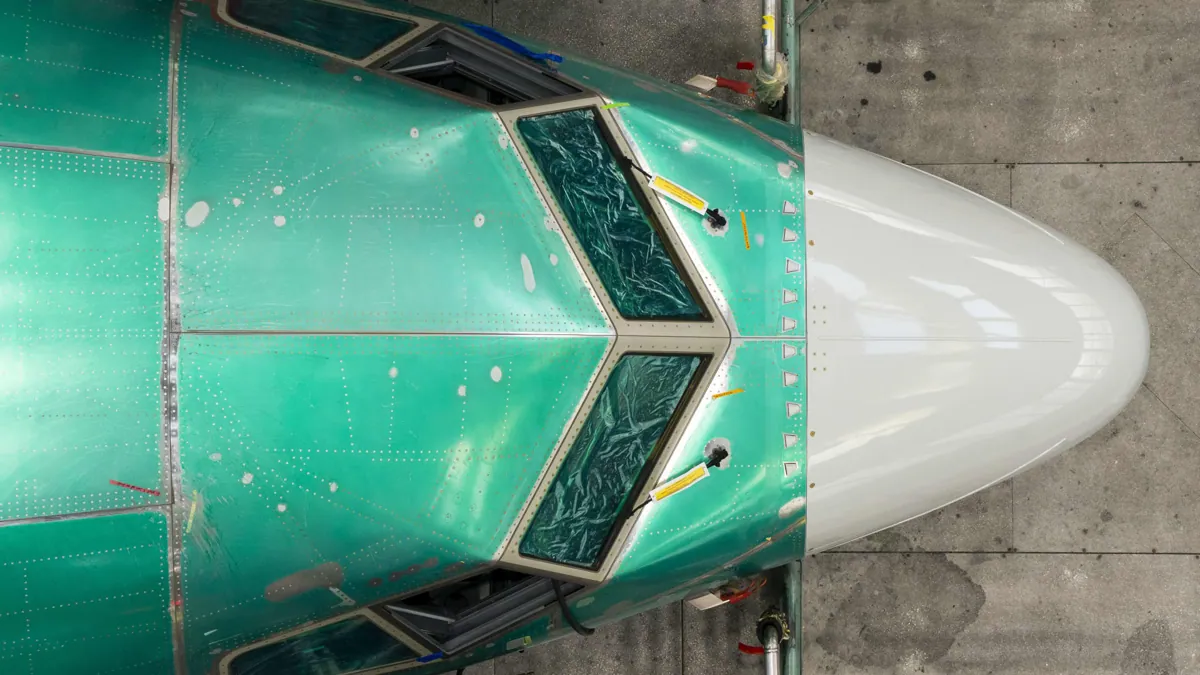
The Federal Aviation Administration said Friday that Boeing can resume issuing airworthiness certificates for its own 737 Max and 787 Dreamliner jets, restoring an authority the agency took away after the two fatal 737 Max crashes in 2018 and 2019.
An airworthiness certificate is the final sign-off that a specific aircraft meets safety standards before it's delivered to an airline. For years, that job belonged to Boeing itself, standard practice for manufacturers under FAA oversight. That changed after the Max crashes, which killed 346 people combined and exposed serious flaws in how Boeing had managed both its aircraft design and its relationship with regulators. The FAA pulled the authority and took over the certification work directly.
The agency began easing that arrangement last September, allowing Boeing to certify some of its Max and Dreamliner planes on a rotating basis, alternating weeks with the FAA. Friday's announcement extends that authority back to Boeing across the board.
In explaining the decision, the FAA said it had spent the past eight months comparing the quality of certifications issued by Boeing against those issued by the agency itself, and found the results were comparable. As the FAA put it, "Based on these results, the FAA determined it can safely return this responsibility to Boeing."
Boeing did not immediately respond to a request for comment, according to CNBC.
A slow climb back
The timing matters. This isn't just a company working its way back from a pair of crashes that happened years ago. In January 2024, a door plug blew off a nearly new 737 Max 9 shortly after takeoff, a mid-air failure that reopened every question about Boeing's production quality and put the FAA's oversight of the manufacturer back in the spotlight. That incident, while not fatal, was close enough to catastrophe that it triggered fresh regulatory pressure on Boeing's factory floor practices, well after the company had already been working to rebuild trust from the earlier crashes.
Against that backdrop, restoring self-certification authority is a meaningful signal. It suggests the FAA believes Boeing's manufacturing quality control has stabilized enough that the agency doesn't need to personally inspect and sign off on every jet rolling off the line. The rotating arrangement that started last fall was effectively a trial run, giving the FAA a direct, apples-to-apples comparison between its own inspectors and Boeing's. The fact that the two produced similar findings is what the agency is pointing to as justification for the change.
Why this matters beyond the paperwork
Airworthiness certification might sound like a bureaucratic formality, but who performs it says a lot about how much a regulator trusts a manufacturer's internal processes. Taking that authority away from Boeing was one of the clearest, most public rebukes to come out of the Max crisis. Handing it back is, in effect, the government's most concrete vote of confidence in Boeing since then.
It also carries real economic weight. Boeing is one of the largest exporters in the United States by value, and delivery delays tied to regulatory bottlenecks have been a persistent drag on the company's finances and its relationships with airline customers waiting on new jets. Every plane that needed an FAA sign-off instead of an in-house one added friction to an already strained delivery pipeline. Restoring Boeing's ability to certify its own aircraft should help smooth that process, though the FAA's statement makes clear this is being framed as a safety determination first, not a business accommodation.
Still, the decision lands in a context where Boeing's margin for error is thin. The company has spent years under a level of scrutiny few manufacturers face, from congressional hearings to expanded FAA audits of its factories, and any future incident involving a Max or Dreamliner will inevitably be read against this decision to loosen oversight. The FAA's own language, that it saw "comparable production quality findings" over eight months, is a data-driven justification rather than a broad declaration that Boeing's troubles are behind it.
What happens next will be the real test. The FAA retains its regulatory authority over Boeing regardless of who signs the certificates, and nothing in Friday's announcement suggests inspections or audits are going away. But for a company that has spent years trying to convince regulators, airlines, and the flying public that its manufacturing problems are fixed, getting this authority back is a tangible marker of progress, one that will be judged by whether the quality holds up now that Boeing is again grading its own work.


