The EU Is Coming After Video Game Currency Tricks That Date Back to the Wii Era
Ten major publishers, including Activision Blizzard, Riot, and Ubisoft, are facing scrutiny over in-game currencies designed to leave players with unspendable leftover balances.
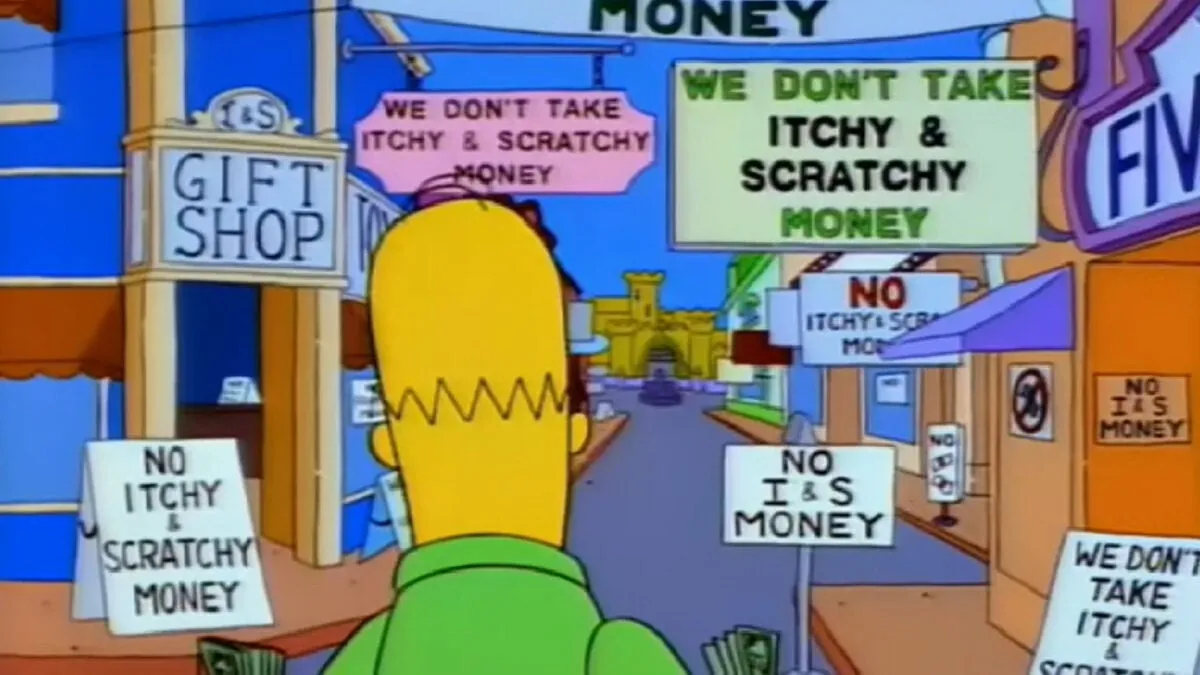
The European Union has opened a formal challenge against ten video game companies over a monetization trick that's been annoying players since the days of WiiWare and Xbox Live Arcade: in-game currencies engineered so you almost never spend exactly what you bought.
The action, led by Italy's Competition Authority, names Activision Blizzard, Mojang, Ubisoft, Riot Games, Crytek, Supercell, InnoGames, King, Plarium, and Playrix. The complaint centers on games that sell virtual currency in fixed bundles that rarely line up with what things actually cost. Buy a pack of 3,000 of whatever made-up currency a game uses, and the skin or upgrade you want costs 2,999. That one leftover unit, multiplied across millions of players, is a quietly lucrative design choice that's been part of gaming's monetization playbook for decades.
According to the EU's press release, the issue goes beyond odd math. In-game purchases, "such as cosmetic upgrades and weapon upgrade packs," are often priced in currencies other than euros, the release states, "but ultimately involve a payment in euros, either directly or indirectly, via multiple virtual currencies." Regulators also flagged the broader bundle-selling structure itself, along with dark patterns, weak parental controls, and poor support when accounts get blocked.
Why Fortnite isn't on the list
If you're wondering where Epic Games and Fortnite fit into this, they've already moved. Epic got ahead of the consumer protection push by announcing that, starting this month, players can spend exact amounts of V-Bucks on specific purchases, no more buying a chunk of currency and eating the remainder. The one catch: that change doesn't apply on PlayStation.
That asymmetry points to a messier reality across the industry. Plenty of major publishers have already modernized their currency systems to avoid this exact complaint, but the practice hasn't disappeared uniformly. The EU specifically called out games like Call of Duty as still needing to clean up their act, suggesting this isn't a blanket indictment of every company doing it wrong, but a targeted push at holdouts who haven't followed the industry's slow drift away from the trick.
Part of a bigger pattern
This isn't an isolated swipe. It's the latest in a string of moves by regulators worldwide who've spent this year taking a harder look at how games, especially the live-service, gacha, and freemium titles that now dominate the industry's revenue charts, are designed to extract money. Live-service and freemium games are among gaming's biggest earners, and with titles like Fortnite and Roblox drawing huge numbers of younger players, consumer protection agencies have increasingly treated these monetization systems as a regulatory priority rather than just an industry quirk.
Elsewhere this year, regulators have revisited age ratings over gambling-adjacent design elements, even in games as mainstream as Mario Kart, and have started building legal groundwork around digital ownership, the question of what you actually own when you "buy" a digital game or item. Together, these efforts suggest a broader shift: regulators are no longer treating in-game economies as a separate, lightly scrutinized category of commerce. They're starting to apply the same scrutiny to virtual currency bundles and loot-adjacent systems that they'd apply to any other consumer transaction.
For the ten companies named, this likely means currency systems built or maintained for years are now under direct examination, and changes may be coming whether or not they match Epic's voluntary fix. For players, it's a sign that the small, familiar annoyance of a currency balance that never quite zeroes out, long treated as just how games work, is finally being treated as what it actually is: a design choice with a cost attached.
What happens next depends on how the Italian Competition Authority's findings translate into enforcement, and whether other EU member states or regulators elsewhere follow suit. Given how much of this year has already been spent chipping away at gaming's monetization norms, it's unlikely to be the last move.


