EU Approves Paramount-WBD Merger, Even as U.S. States Fight to Block It
Brussels signed off on the deal after Paramount agreed to sell its stake in a European film distribution venture and swear off future tie-ups with Universal, while attorneys general back home keep pressing pause.
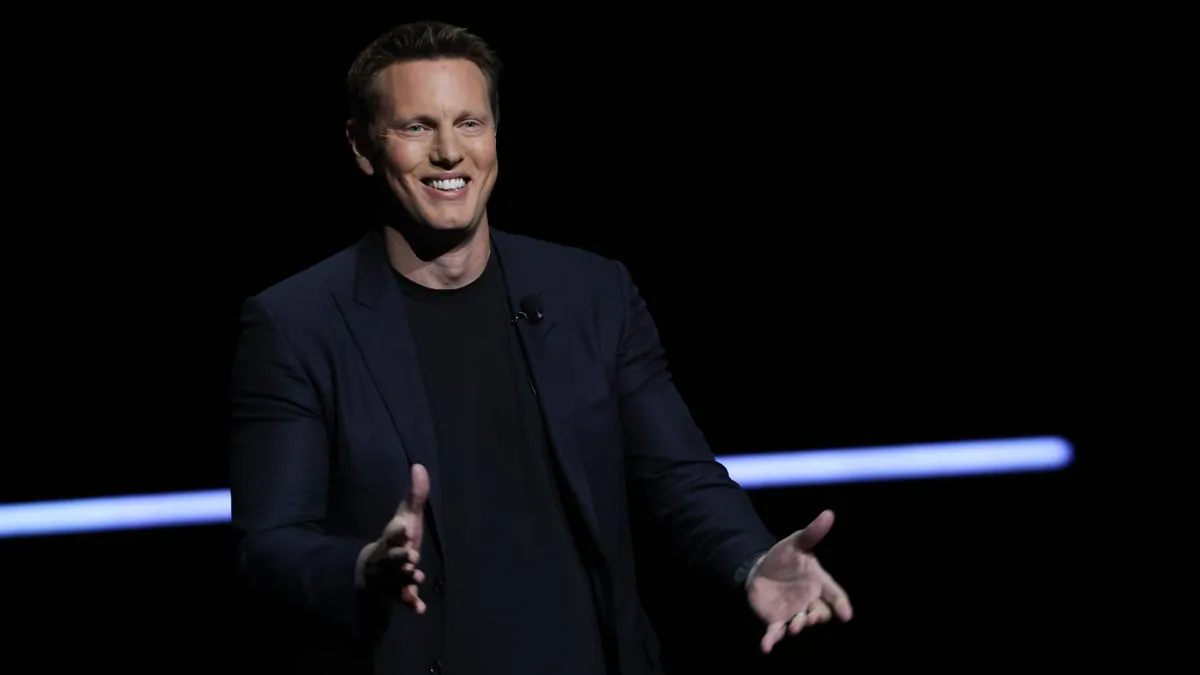
The European Commission gave Paramount Skydance the green light on Wednesday to buy Warner Bros. Discovery, clearing one major regulatory hurdle for a deal that's still stuck in the mud back in the United States.
The EU's approval came with strings attached. According to the European Commission, Paramount agreed to sell off its stake in a film distribution joint venture it runs with United International Pictures in Europe, and committed to staying out of any film distribution partnership with Universal in Europe for the next decade. Those are the kinds of concessions regulators extract when they're worried a merger would let a company team up with rivals to squeeze out competition in how movies reach theaters and audiences.
The Commission was blunt about what it was trying to prevent. "These commitments fully address the competition concerns identified by the Commission by ensuring that the films of the merged entity will not be distributed jointly with those of Universal or Disney," the agency said in its release. In other words, regulators wanted to make sure a combined Paramount-Warner Bros. Discovery couldn't quietly coordinate distribution with two of Hollywood's other giants and box out smaller players in the European market.
Paramount didn't respond to a request for comment, according to CNBC's reporting.
A green light in Brussels, a red light back home
The European sign-off stands in sharp contrast to what's happening in the United States, where the merger has hit real turbulence. State attorneys general have raised concerns that have already delayed the deal domestically, though the source material doesn't detail exactly what those objections are or which states are involved. What's clear is that the companies now find themselves in an odd position: cleared to combine in one of the world's largest media markets, while facing an active legal fight in their home market.
That split outcome isn't unheard of in global mergers of this size. Companies pursuing cross-border acquisitions routinely have to run the gauntlet of multiple regulators, each with its own priorities and legal standards. The EU tends to focus narrowly on whether a deal would let a company squeeze out rivals in a specific market or distribution channel, which is exactly the lens it applied here to European film distribution. American state attorneys general can take a broader view, and their objections don't have to mirror what regulators overseas are worried about.
Why film distribution became the sticking point
The specifics of the EU's concessions are worth sitting with, because they say something about how regulators think about consolidation in the entertainment industry. A merged Paramount-Warner Bros. Discovery would control a much larger slate of films and a much bigger distribution footprint. Brussels evidently worried that if Paramount kept its joint venture with United International Pictures and stayed free to strike distribution deals with Universal, the combined company could end up coordinating too closely with two other major studios on how films get released across Europe. That kind of coordination, even if not explicitly collusive, can crowd out competitors and give consumers fewer independent options at the box office.
By forcing Paramount to divest its stake in the UIP venture and locking it out of Universal tie-ups for ten years, the Commission is trying to keep those lines of competition distinct. It's a narrow, surgical fix rather than a broad rejection of the merger, which tracks with how EU antitrust enforcement typically works: identify the specific point of competitive friction, extract a commitment that resolves it, and approve the rest of the deal.
What happens next
The bigger question hanging over this whole transaction is what U.S. regulators and the state attorneys general who've raised objections decide to do. The EU's approval doesn't bind American authorities in any way, and the concerns driving the U.S. delay haven't been resolved by anything that happened in Brussels this week. Paramount Skydance and Warner Bros. Discovery now have a green light in Europe but still need to clear whatever hurdles the state attorneys general have put in front of them domestically before the merger can actually close.
CNBC noted this was breaking news at the time of publication, meaning more details about the U.S. side of the fight, and any response from Paramount, may still surface. For now, the deal's fate rests less on antitrust economics in Brussels and more on how a group of American state attorneys general decide to proceed.


