Elon Musk Says Robots Will Need More RAM Than Everything Else on Earth, Except Not Really
Musk's comments are backing a projection that humanoid robot memory demand will jump 20-fold by 2030, but the math shows that's still a rounding error next to AI data centers.
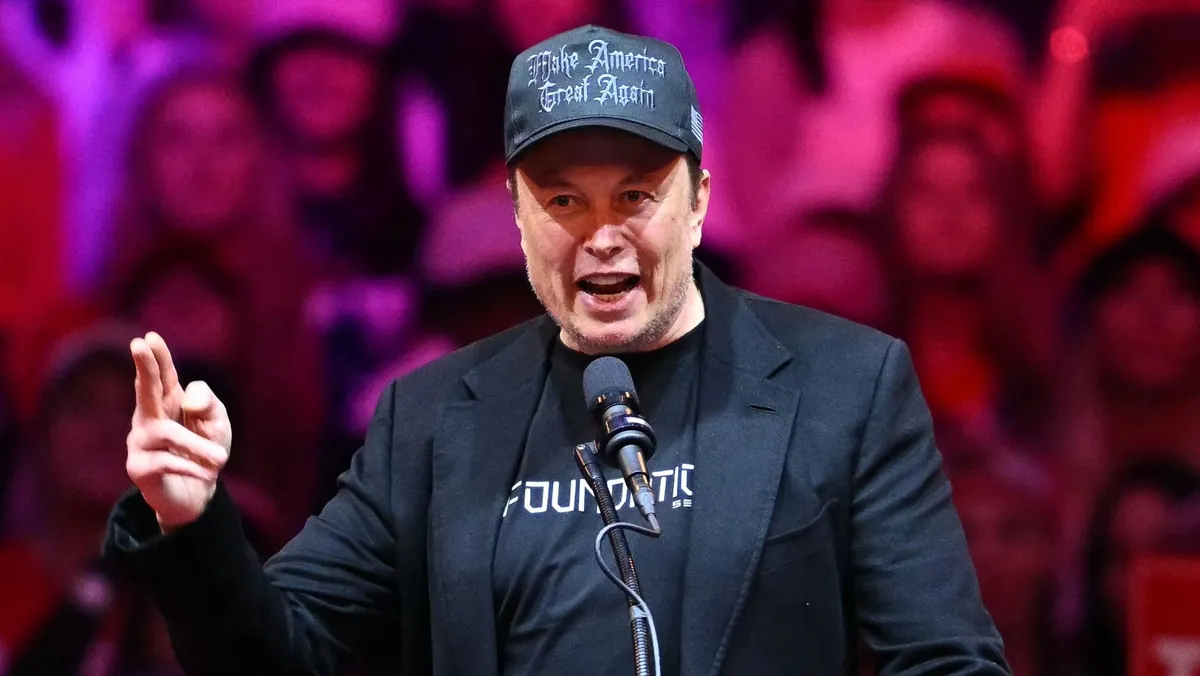
Elon Musk posted on X that "robot RAM needs will exceed everything else on Earth," reasoning that robots need physical bodies to manipulate the real world, unlike AI systems that can run on remote servers. He followed up by saying superintelligence demand will be even bigger, but claimed nearly all of that compute will eventually live in deep space.
The second half of that claim does a lot of work. Musk isn't actually saying robots will out-consume AI data centers. He's saying that if you move AI data centers off the planet entirely, then robots would be left as the biggest RAM consumers remaining on Earth. It's a hypothetical built on a hypothetical, according to PC Gamer's reporting.
Musk's post was a reply defending a research claim from Counterpoint, cited by P Equity Research, projecting that humanoid robots will need 20 times more DRAM by 2030 than they do today. DRAM, or dynamic random-access memory, is the short-term memory chips in computers and electronics use to hold data they're actively working with. The chart Counterpoint shared puts current DRAM demand from "humanoid robot brains" at 8,300 terabits, climbing to 172,000 terabits by 2030.
That's the backdrop for Musk's comment, and it lands at a genuinely tense moment for memory pricing. The industry has been in a global DRAM shortage for roughly a year, driving up prices on PCs and components across the board, largely because AI data centers have been buying up supply faster than manufacturers can produce it. Naturally, a headline about robots needing 20 times more memory reads like bad news for anyone hoping prices come back down.
The numbers don't support the panic
Run the math, though, and the robot threat shrinks fast. Current global DRAM capacity sits at roughly 40 exabytes. One exabyte equals a million terabytes, or 8 million terabits, which puts total global capacity at about 320 million terabits.
Counterpoint's 2030 projection of 172,000 terabits for robot demand works out to roughly 0.05% of that current global capacity, according to PC Gamer's calculations. That's a sliver of what AI data centers already consume today, and as overall DRAM production keeps scaling, that sliver gets even smaller relative to the whole.
In other words, even a 20-fold jump in robot memory demand wouldn't come close to rivaling what AI infrastructure is already pulling from the supply chain. For robots to actually become the dominant RAM consumer on the planet, as Musk's comment implies, something else would basically have to disappear from the equation first, namely all those AI data centers relocating to space, which is exactly the scenario Musk floated.
What actually matters for memory prices
There were already projections that global DRAM supply would keep falling short of demand well into 2030 and beyond, driven primarily by AI infrastructure buildout. Humanoid robots entering the picture doesn't meaningfully change that trajectory based on the current figures. The real variable for anyone watching component prices is still the AI data center boom and whether supply can eventually catch up.
Musk's framing makes for a striking soundbite, and it's not wrong that robot memory needs will grow substantially as production scales. But the scale of that growth, at least by this projection, puts robots nowhere near the primary driver of memory scarcity. The AI bubble, however it eventually plays out, remains the thing actually shaping what you pay for RAM.


