xAI Sues Minnesota to Block State's Ban on AI 'Nudify' Apps
Musk's AI company argues a new law targeting non-consensual deepfake image generators violates free speech, even as it faces a separate lawsuit accusing its own Grok chatbot of producing sexualized images of minors.
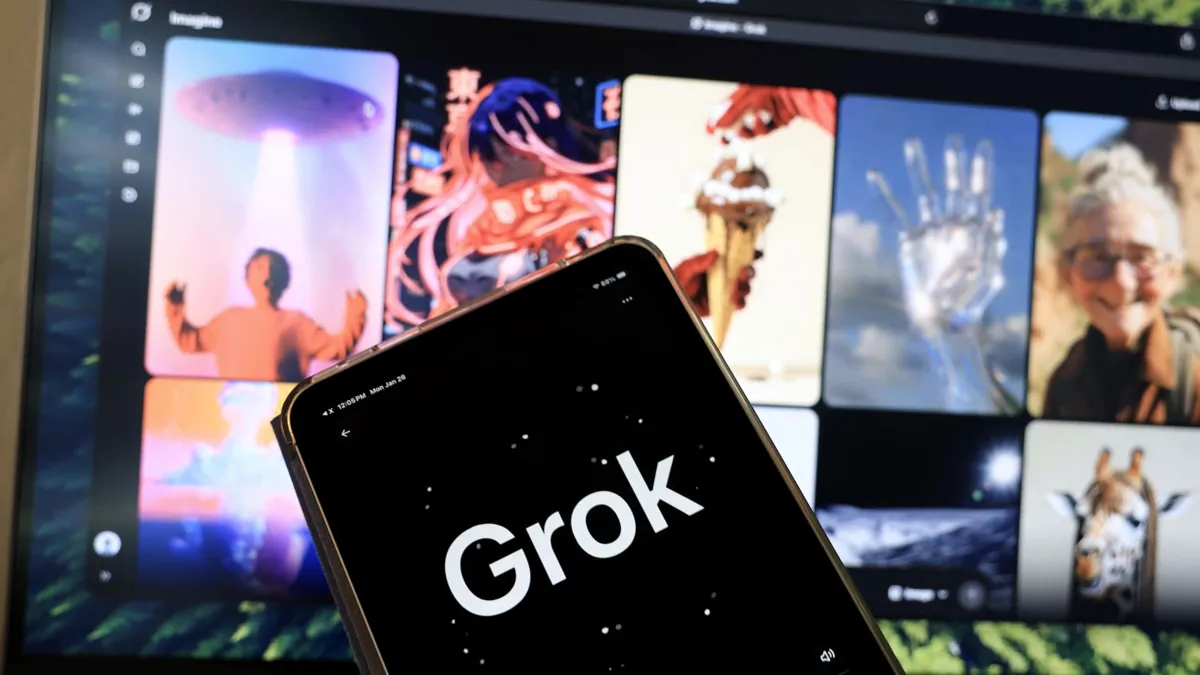
Elon Musk's xAI has sued Minnesota to stop a state law banning "nudify" apps from taking effect, arguing the statute amounts to an unconstitutional crackdown on free expression.
The lawsuit, filed Monday in federal court against Minnesota Attorney General Keith Ellison, takes aim at a law set to go into effect this Saturday. That law targets apps and websites capable of generating non-consensual sexualized images of real people, commonly known as "nudify" tools, and imposes fines of $500,000 for each instance a user creates explicit deepfakes.
In the complaint, xAI's attorneys wrote that the law "imposes an overbroad, content-based ban on free speech and the tools of visual expression in a clumsy attempt to prohibit 'nudification.'"
xAI, which is now owned by SpaceX and operates under the name SpaceXAI, insists it already bars users from creating nude or sexualized images of people without consent. The company says in its complaint that it has gone after users who work around its "extensive technological blockers" to generate such content anyway. This isn't the company's first swing at this kind of law, either — it has also sued to challenge a California statute aimed at curbing AI-generated deepfakes.
Where the law came from
Minnesota's ban traces back to a specific case that pushed state Sen. Erin Maye Quade to write the bill. She learned of a man who had used social media photos, without permission, to create sexualized images and videos of more than 80 women he knew. The bill passed in April.
Maye Quade has described the measure as an extension of long-standing laws against secretly photographing people through windows for sexual gratification, telling CNBC in September that the new statute follows the same logic: using someone's likeness to create explicit content without their consent is a privacy violation, regardless of the tool used to do it.
A messier backdrop for xAI
The Minnesota fight lands at an awkward moment for xAI. The company is currently facing a proposed class action lawsuit alleging that its Grok chatbot and image generator were used to create and circulate child sexual abuse material, built from real photos and videos of minors. That suit also claims xAI failed to alert authorities about people who allegedly used Grok's "nudify" capabilities to target victims.
The contrast is stark: xAI is in court arguing Minnesota's law goes too far in restricting what its tools and others like them can do, while simultaneously defending itself against allegations that its own product was exploited to generate exactly the kind of abusive content the law is designed to prevent.
xAI's position is that its policies already prohibit the behavior Minnesota is trying to legislate against, and that going after individual bad actors who bypass its safeguards is the appropriate remedy, not a blanket state ban on the underlying technology. Whether that argument holds up in court will likely turn on how judges weigh free-speech protections for AI-generated imagery against a state's interest in protecting people from non-consensual sexualized deepfakes.
What comes next
With the law due to take effect Saturday, the case sets up a fast-moving legal test of how far states can go in regulating AI image-generation tools without running into First Amendment challenges. Minnesota's approach, treating "nudification" as analogous to voyeurism laws already on the books, offers one model. xAI's lawsuit argues that model doesn't survive contact with a technology built to generate images, not just capture them.
How this plays out in Minnesota, and in the parallel California case, could shape how other states write similar laws going forward, particularly as non-consensual deepfake tools become easier to access and harder to police.


