X and Advertising Trade Group End Legal Fight Over Brand Boycott Claims
The settlement closes out a lawsuit in which Elon Musk's platform accused major advertisers of illegally coordinating to withhold ad spending.
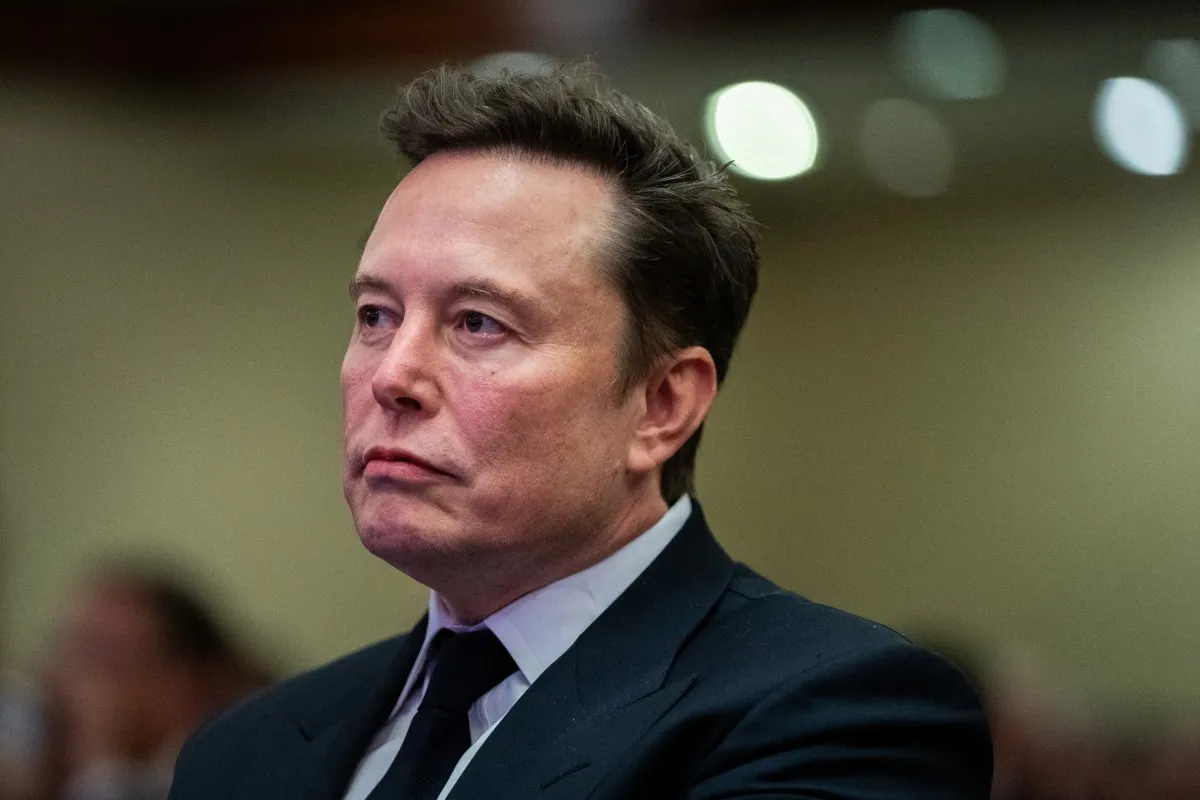
X and the World Federation of Advertisers have settled their long-running legal dispute, closing a chapter that began when Musk's company accused the advertising trade group of orchestrating a boycott against the platform.
The two organizations announced the settlement in a joint statement on Wednesday, saying they were putting the litigation "behind them" and resetting their relationship. Neither side disclosed terms.
The fight traced back to 2024, when X sued the WFA, alleging what it called a "systematic illegal boycott." X's argument centered on its advertising revenue, which fell after Musk's $44 billion acquisition of the company (then Twitter) in 2022. The lawsuit named companies including Mars, CVS Health, Shell, and Lego as participants in the alleged scheme. Those advertisers denied the accusations, countering that companies have every right to decide where they spend marketing dollars.
At the heart of the case was the Global Alliance for Responsible Media, or GARM, a WFA-backed coalition of brands and ad agencies formed to keep advertising away from harmful online content. X claimed guidelines developed through GARM pushed advertisers to pull back spending on the platform. Many advertisers had grown wary of appearing next to harmful material after Musk loosened X's content moderation rules following his takeover.
The legal effort didn't hold up in court. A federal judge dismissed the lawsuit in March, ruling that X hadn't shown it suffered actual harm under federal competition law. X appealed that decision the following month, setting up the case that just ended in settlement instead.
In the joint statement, the WFA leaned into the free-speech framing that has defined much of Musk's tenure at X. The group said it "reiterates its commitment to freedom of speech," pointing out that the principle has been part of its founding constitution since 1953 and calling it something it shares with X. The WFA also confirmed that it shut down GARM back on August 9, 2024, and made clear the coalition isn't coming back in any form: "WFA will not form or restart GARM or a similar initiative."
The statement framed the resolution as a shared interest in what it called "brand-safety innovation," with both sides saying platforms, advertisers, and consumers stand to benefit.
A pattern of confrontation
The lawsuit was never an isolated incident. Since buying the platform, Musk has repeatedly sparred publicly with the advertising industry over its retreat from X. When companies paused their spending in the wake of his takeover, Musk's response, delivered on camera, was blunt: he told them to "go f*** yourself."
That combative posture shaped X's broader strategy, turning what began as a business problem, advertisers fleeing amid brand-safety concerns, into a legal and rhetorical campaign against the trade groups Musk blamed for the exodus. The GARM lawsuit was the most aggressive expression of that strategy, aiming to establish that coordinated advertiser pullbacks could carry legal consequences rather than simply reflecting individual corporate decisions.
The court's dismissal in March undercut that theory, at least for now, finding no evidence of the kind of harm required to sustain an antitrust-style claim. The settlement announced this week effectively ends the appeal process as well, with both sides agreeing to move on rather than continue litigating.
For X, the settlement removes a piece of unresolved legal baggage as the company continues working to rebuild its advertiser base. For the WFA, it closes out a dispute that had already cost it its signature initiative on brand safety, given that GARM was disbanded nearly two years before this settlement was reached. Neither organization indicated what, if anything, might replace GARM as a framework for advertisers thinking about where their ads appear online.
What happens next on that front is the open question. Both companies say they're aligned on wanting better tools for keeping ads away from harmful content, but the group built specifically to do that work is gone for good, according to the WFA's own statement. Whether a new mechanism emerges, from the WFA, from X, or from elsewhere in the industry, remains to be seen.


