Musk Escalates Feud With Ambani as Starlink's India Launch Stays Stuck
The SpaceX founder is now publicly needling India's richest man by name, even as regulators insist Starlink isn't being treated differently from its rivals.
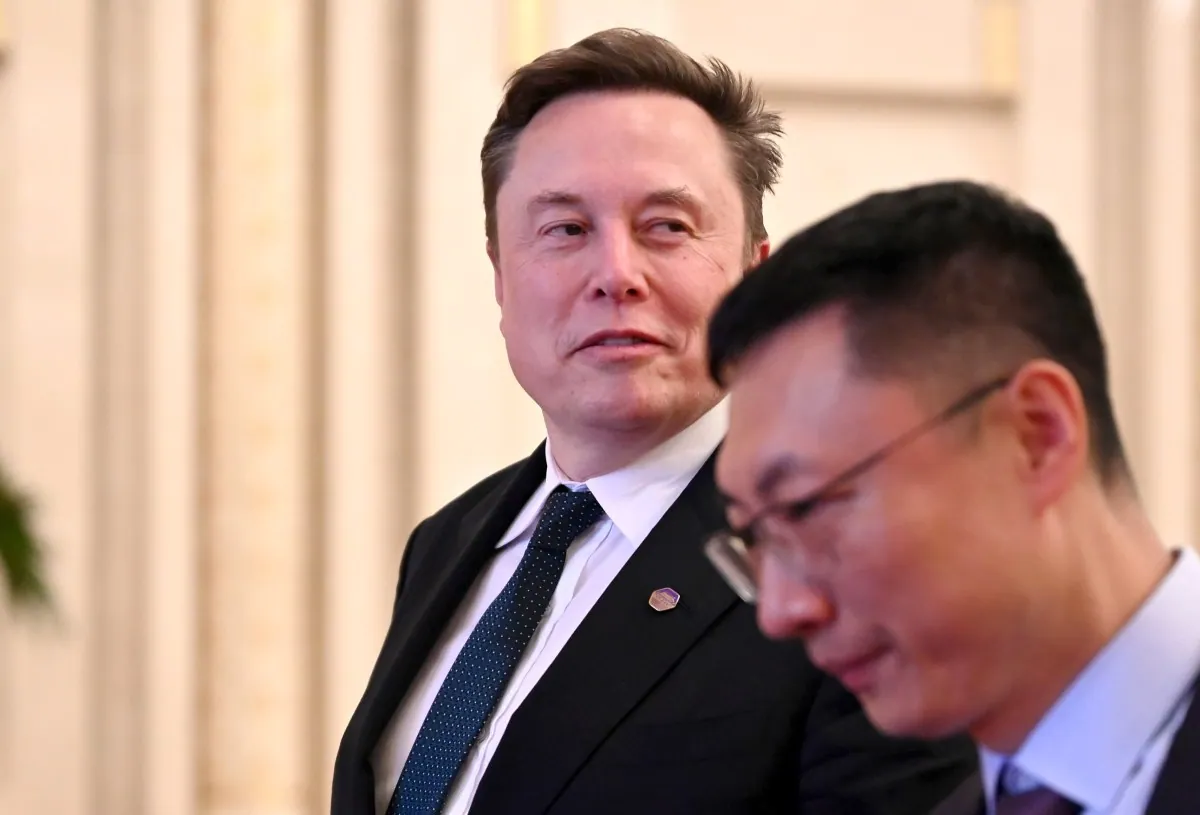
Elon Musk's frustration with India's satellite internet rollout has turned into a personal campaign against one of the country's most powerful businessmen. On Friday, Musk took to X to mock Mukesh Ambani, chairperson of Reliance Industries, sarcastically referring to him as India's "prime minister" and accusing him of trying to keep Starlink out of the market to protect his own telecom business.
Musk argued that Starlink could extend internet access to parts of India that currently have none, give kids better access to education, and let small businesses sell to customers abroad. Then he turned the argument directly on Ambani: "Naturally, you would prefer to maintain your monopolistic exploitation of the great people of India, but would you nonetheless consider allowing Starlink to compete?"
Reliance Jio, the telecom arm of Ambani's conglomerate, did not respond to a request for comment, according to TechCrunch's reporting.
This wasn't a one-off jab. Musk spent the whole week building toward it. Earlier he'd accused unnamed "oligarchs" of blocking Starlink's launch to shield their own business interests, a claim India's Ministry of Communications shot down, saying the country's satellite communications rules are "fair and non-discriminatory." Undeterred, Musk escalated on Thursday with a more pointed question aimed squarely at Ambani: "Is Ambani the real boss of India?"
Years of trying, still no launch
The frustration has roots that go back a while. SpaceX has been trying to get Starlink into India for years. Last year it finally struck distribution deals with both Reliance Jio and Bharti Airtel, India's second-largest carrier, with the plan being to offer Starlink service through those partners once the regulatory green light came through.
That green light still hasn't arrived. Starlink has cleared several regulatory hurdles, but New Delhi hasn't granted the final approval needed for commercial operations.
The communications ministry's explanation, laid out in its Thursday statement, is that Starlink and two other licensed satellite operators are all going through security assessments that have to wrap up before any of them get satellite spectrum. The ministry was explicit that all three companies are at "broadly the same regulatory stage," directly rejecting the idea that Starlink is being singled out.
Those two other operators happen to be tied to Ambani's rivals and partners alike. Jio has its own satellite venture with Luxembourg's SES, while Airtel holds a major stake in Eutelsat OneWeb, which is also angling to offer satellite connectivity in India. So in a sense, Ambani's companies are both potential gatekeepers and potential competitors to Starlink, depending on how you read the situation.
Why India is worth the fight
It's easy to see why Musk isn't letting this go quietly. India has more than a billion internet users and is the most populous country on Earth, which makes it one of the largest untapped markets for a service like Starlink. But cracking that market means navigating relationships with business figures as entrenched as Ambani, whose Reliance empire runs India's largest telecom operator and has deep ties to Prime Minister Narendra Modi's government through major infrastructure and industrial projects.
There's also recent history between SpaceX and Jio that adds friction to the current spat. Before this public feud broke out, Starlink and Jio were on opposite sides of a fight over how satellite spectrum should be handed out. SpaceX wanted it allocated administratively; Jio pushed for an auction process instead. New Delhi ultimately sided with Starlink's preferred approach, assigning spectrum administratively rather than putting it up for bid. Musk won that round, which makes the ongoing delay all the more pointed.
Tesla's rough ride adds to the tension
Starlink isn't the only Musk venture struggling to gain traction in India. Tesla launched there last year after years of anticipation and false starts, and the results have been underwhelming. The company registered just 699 vehicles in its first 12 months of deliveries, according to data cited by Electrek. Steep import duties were a major culprit, pushing the Model Y's starting price in India to nearly double what it costs in the U.S. Tesla cut prices earlier this year, but the gap with U.S. pricing remains substantial.
Taken together, the Starlink standoff and Tesla's slow start paint a picture of a market Musk has had a genuinely hard time cracking, regardless of how much political and economic weight he brings to the table elsewhere.
India's telecom minister, Jyotiraditya Scindia, pushed back on Musk's allegations again Friday, insisting the country "does not allow a monopoly in any sector." For now, that's where things stand: Starlink has the paperwork momentum but not the final approval, Musk has a very public grievance and a very public target, and India's government is holding firm that the process is playing out the same way for everyone involved. Whether that satisfies Musk, or whether he keeps pressing the point publicly, is the thing to watch as Starlink's India launch drags on.


