DoorDash to Buy Instacart for Roughly $17 Billion
The deal pulls two grocery-delivery rivals together as DoorDash looks to fend off Amazon, Walmart, and a fast-converging delivery industry.
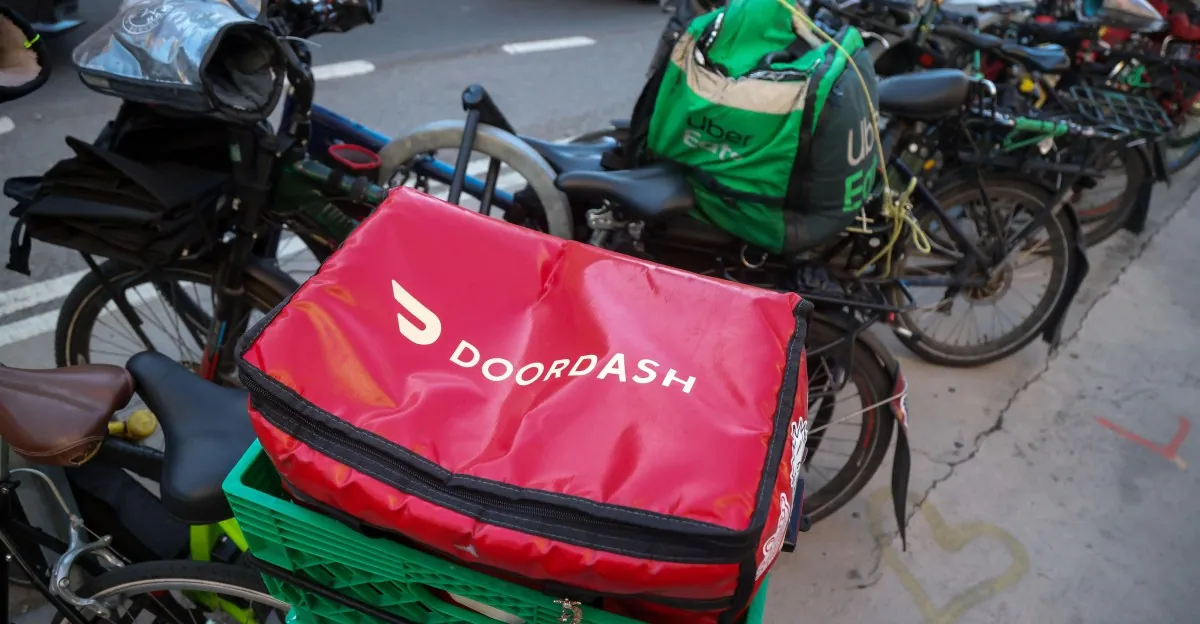
DoorDash is acquiring Instacart in a deal valued at around $17 billion, the company announced, combining two of the biggest names in on-demand delivery under one roof.
The move hands DoorDash something it's been building toward on its own but never quite caught up on: a dominant grocery operation. Instacart brings an established marketplace and a deep bench of retailer partnerships that took years to assemble. DoorDash already runs its own grocery delivery service, but it's been stuck competing against Instacart, Uber, Walmart, and Amazon for the same customers and the same shelf space. Buying the company that's arguably the category's biggest independent player solves that problem in one move.
It also fits a broader pattern. DoorDash made its name delivering restaurant food, but that business is no longer the safe lane it once was. Uber has pushed into food delivery territory through its acquisition of Postmates, and Delivery Hero has done the same. With rivals encroaching on DoorDash's core turf, grocery becomes a logical place to build a moat of its own, and Instacart is the fastest way to build it at scale.
How the deal came together
Talk of a sale had been building for about a week before the announcement. The Information first reported that Instacart was holding discussions with both Uber and DoorDash about a possible acquisition. Momentum shifted toward DoorDash quickly: The Wall Street Journal reported that the two companies were in "advanced talks," with a deal possibly coming together within days.
That timeline held. The roughly $17 billion price tag puts the transaction among the bigger consolidation moves in the delivery space, reflecting both Instacart's scale and the competitive pressure pushing DoorDash to act now rather than keep building grocery capability from scratch.
Why it matters
Grocery delivery has become one of the more contested fronts in e-commerce, with Amazon and Walmart using their retail infrastructure and logistics muscle to push into the space aggressively. Instacart has survived as an independent in that fight by leaning on partnerships with grocery chains rather than owning warehouses outright. Folding that network into DoorDash gives the combined company a much stronger hand against two of the best-resourced competitors in retail.
For DoorDash, it's also a hedge. Food delivery margins are notoriously thin, and the field has consolidated as Uber and Delivery Hero absorbed smaller rivals. Owning a bigger share of grocery delivery diversifies DoorDash's revenue away from restaurant orders alone, at a moment when that core business faces more competition than it used to.
Details on how Instacart will operate under DoorDash, what happens to its branding, and how regulators might view the combination weren't included in the initial announcement. The story is still developing, and the specifics of integration will matter as much as the headline price tag in determining whether this reshapes the grocery delivery market the way it appears positioned to.


