America's Biggest Power Grid Will Start Shutting Off Data Centers to Avoid Blackouts
PJM Interconnection says it will curtail large data centers during shortages starting in 2027, after an auction for new power supply came up short.
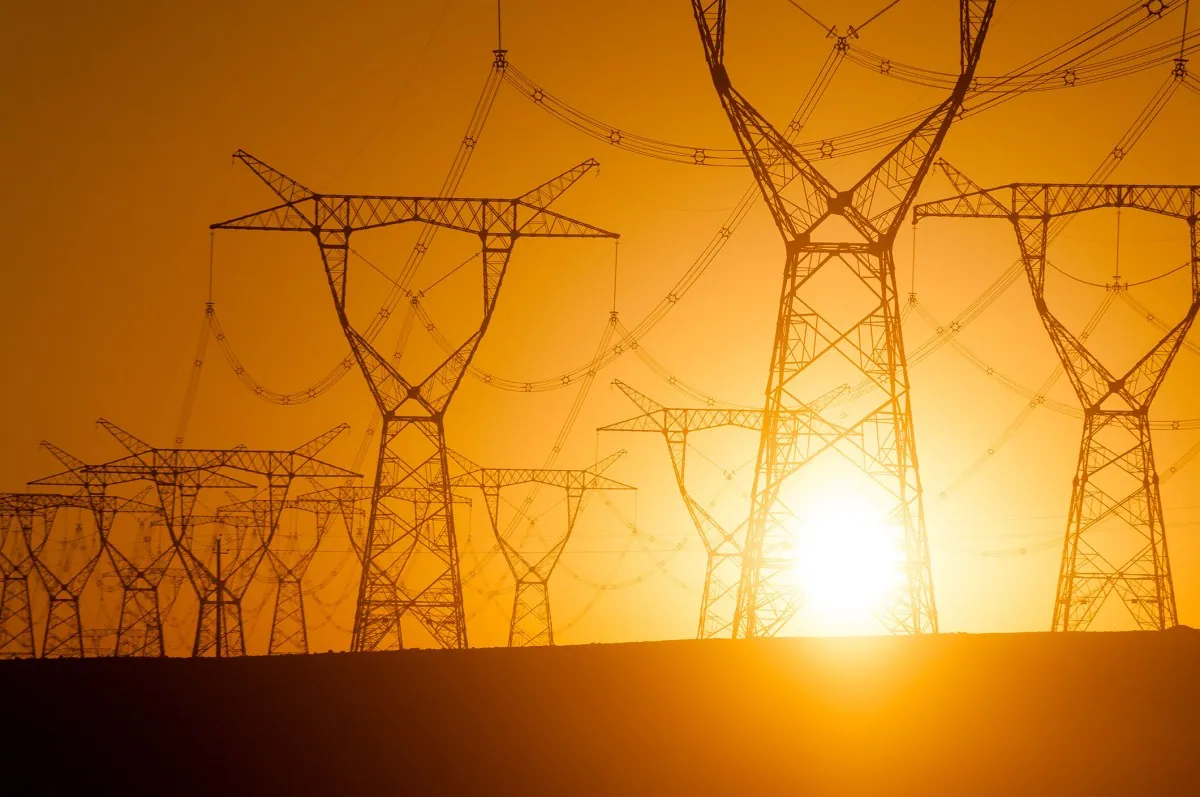
The company that manages electricity for 67 million Americans has a message for data center operators: when the grid is stretched thin, you might be the first to go dark.
PJM Interconnection, which runs the largest electrical grid in the country, says it will begin temporarily cutting power to large data centers during shortages, starting in June 2027. The policy applies to data centers drawing 50 megawatts or more, a threshold that covers most large-scale facilities but spares smaller operations.
The decision follows a recent auction meant to secure new power generation for PJM's territory, which stretches from Virginia to Illinois. That auction fell short of what the grid needs, leaving PJM searching for another way to keep the lights on as electricity demand climbs faster than new power plants can be built. The grid operator is now running a second auction in hopes of locking in more generating capacity.
The scale of the problem is enormous. Data centers are projected to consume four times as much electricity by 2035 as they do today, according to the reporting, driven largely by the buildout of AI infrastructure across the country. That growth has outpaced the grid's ability to add new power plants, transmission lines, and other infrastructure fast enough to keep up.
How the cuts will work
The curtailment plan mirrors demand response programs that utilities have used for decades, typically with large industrial customers like manufacturers. Under these arrangements, big power users agree to reduce or shut off consumption when the grid is under stress, in exchange for compensation. Customers usually get advance warning, anywhere from 30 minutes to a few days out, depending on how demand is forecast.
For data centers, that means PJM could ask a facility to go offline or switch to backup power during a heat wave or another high-demand event, rather than risk a broader blackout across the grid. The data centers targeted would be compensated for the disruption, just as other large industrial users have been under similar programs.
The diesel generator problem
The curtailment policy is likely to accelerate a trend already underway: data centers building their own on-site power sources rather than depending entirely on the grid. Facilities that don't invest in that infrastructure will likely lean harder on backup generators when PJM asks them to power down, and those generators tend to be more expensive to run and dirtier than grid power.
Diesel is the fuel of choice for many data center operators because it's widely available and easy to store on-site. Federal rules cap how much these generators can be used, allowing up to 50 hours per year specifically for demand response events, and up to 100 hours annually when maintenance and emergency use are factored in. That's a meaningful amount of diesel exhaust concentrated near facilities that are often built close to residential areas.
The health stakes of that tradeoff came into sharp focus this week. Vantage Data Centers faced criticism for what the reporting describes as coordination with Virginia environmental regulators to undercut a report warning that diesel backup generators at a 96-megawatt data center in Northern Virginia could cause tens of millions of dollars in annual health damages for nearby residents. The episode illustrates the tension at the heart of PJM's new policy: shifting power away from data centers during shortages could push more diesel generators into more frequent use, with consequences for the people living closest to them.
A grid under strain
PJM has faced mounting criticism over how it has handled the surge of new large power users, data centers chief among them. Wholesale electricity prices across the grid's territory have nearly doubled over the past year, and PJM's own independent market monitor has pointed to data centers as a major driver of that spike.
That backdrop helps explain why PJM is moving toward curtailment rather than simply waiting for new power plants to come online. Building new generation takes years; asking large customers to power down during peak stress is something the grid operator can implement on a much shorter timeline, and the demand-response model gives it a tool to manage strain without waiting on the slower process of expanding supply.
Whether the policy actually slows data center construction in PJM's territory is an open question. It seems more likely to reshape how new facilities are built, pushing developers toward on-site generation, battery storage, or long-term power contracts that reduce their exposure to being cut off. For data centers that don't make those investments, backup diesel generators will likely fill the gap, keeping the debate over local health impacts very much alive as the June 2027 start date approaches.


