SK Hynix's CEO Says Memory Chip Shortage Could Outlast 2030
The company's warning of a demand-supply gap stretching well past the decade's end came the same week its stock swung wildly on its new Nasdaq listing.
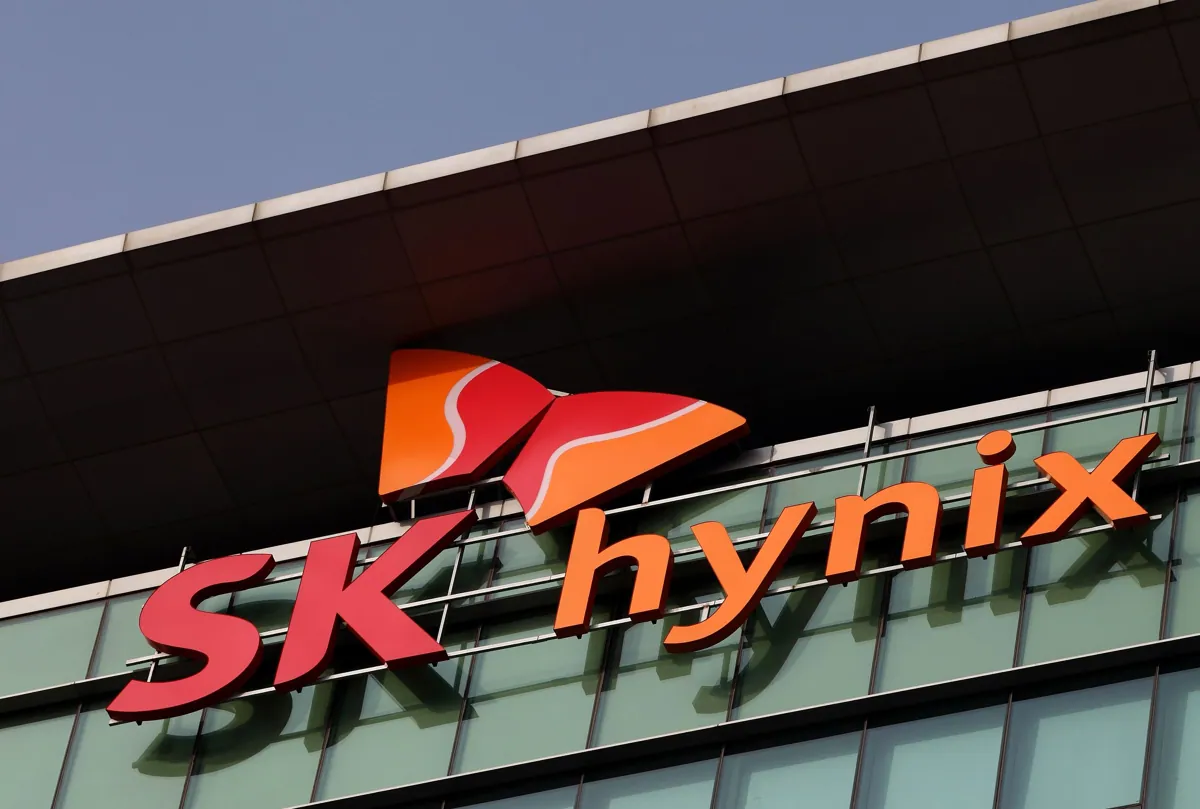
Anyone hoping the memory chip shortage would ease up in a couple of years just got some bad news. SK hynix CEO Kwak Noh-Jung now says demand could keep outrunning supply well beyond 2030, a far longer horizon than the industry had been signaling.
Speaking to Reuters, Kwak didn't sugarcoat the near-term picture either. "We forecast that next year will be the worst year in the industry's history from the supply perspective," he said. That's a striking claim on its own, but he went further, suggesting 2027 will actually be worse still. Previously, the working assumption among watchers of this market was that relief might arrive around 2028, once SK hynix, Micron, and Samsung finish a wave of capacity-expanding factory builds. Kwak is now saying that timeline doesn't hold.
"Our customer demand continues to go up, while our capacity has limitations," he said. "We still forecast that customer demand will remain higher than our supply capacity even beyond 2030. But we are doing our best to solve the problem."
That's a notable shift in tone from a company at the center of the global memory supply chain. Memory chips, the DRAM and NAND that power everything from gaming PCs to AI data centers, have been in short supply for a while now, driven largely by the explosion in AI infrastructure spending. If the company actually running the fabs is now pushing its own timeline for normalization past 2030, that's a signal worth taking seriously.
A Nasdaq debut, then a plunge
The forecast landed during an eventful stretch for SK hynix. The company began trading on the Nasdaq last Friday in a US megalisting that was, according to Reuters, seven times oversubscribed, a sign of just how much investor appetite exists for exposure to the memory business right now. SK hynix said it plans to use the capital raised to fund at least two more construction projects back home in South Korea: a fabrication hub in Yongin and an advanced packaging facility in Cheongju.
Kwak also indicated the company is scouting locations well beyond South Korea for future wafer fabrication investment. "The US, Japan, and Southeast Asia are all under consideration," he said. "Nothing has been decided yet. We are evaluating which location can provide the greatest business advantage."
But the enthusiasm around the Nasdaq debut didn't last the weekend. SK hynix shares closed up 13.3% at $168.85 on the Nasdaq Friday afternoon, only for the stock to plunge 15% in Seoul trading on Monday, its biggest single-day decline in nearly 20 years, according to Reuters. The US-listed shares followed suit, dropping 9.2% to $152.50 on Monday morning.
Why the market got nervous
The swing points to a real tension underneath all this. On one hand, Kwak is warning that demand will outstrip supply for years. On the other, investors are increasingly worried that the same capacity expansions meant to solve that shortage, plus South Korea's broader multi-billion dollar push into AI chip manufacturing, could eventually flood the market and crater prices.
Jing Jie Yu, an equity analyst at Morningstar, framed it this way: "Our base case here is the fresh capacity in 2027 and 2028 coming up in earnest will improve supply dynamics, thereby leading to price erosion." In other words, the very fix for today's shortage might become tomorrow's oversupply problem, at least in the eyes of some analysts, even as the CEO of the company building that capacity insists demand will keep climbing.
There's also a bigger question mark hanging over the whole AI buildout that's driving memory demand in the first place. Morningstar director Lorraine Tan raised doubts about whether the AI spending spree is actually paying off yet. "Despite accelerating artificial intelligence adoption, monetisation remains uncertain and profitability for key players, such as OpenAI, appears to be under pressure," she said. "Funding is also shifting toward debt or equity, raising concerns about the maintainability of current spending levels."
That's the tension in one sentence: memory makers are racing to build more capacity to feed AI's appetite for chips, but nobody's entirely sure that appetite is backed by a sustainable business model. If AI monetization keeps lagging behind the spending, or if data center construction slows down, demand for memory chips could soften faster than anyone building new fabs is prepared for.
For now, though, Kwak's message to the market is unambiguous: don't expect relief anytime soon. Whether that holds up against a wave of new capacity landing in 2027 and 2028, or against the possibility of an AI spending slowdown, is the question investors are clearly still wrestling with. The stock market's whiplash reaction over a single weekend suggests nobody has a confident answer yet.


