China Vows Retaliation Over New U.S. Ban on Foreign Humanoid Robots
Beijing calls the FCC's import restrictions a threat to economic stability just weeks before Trump is set to host Xi Jinping.
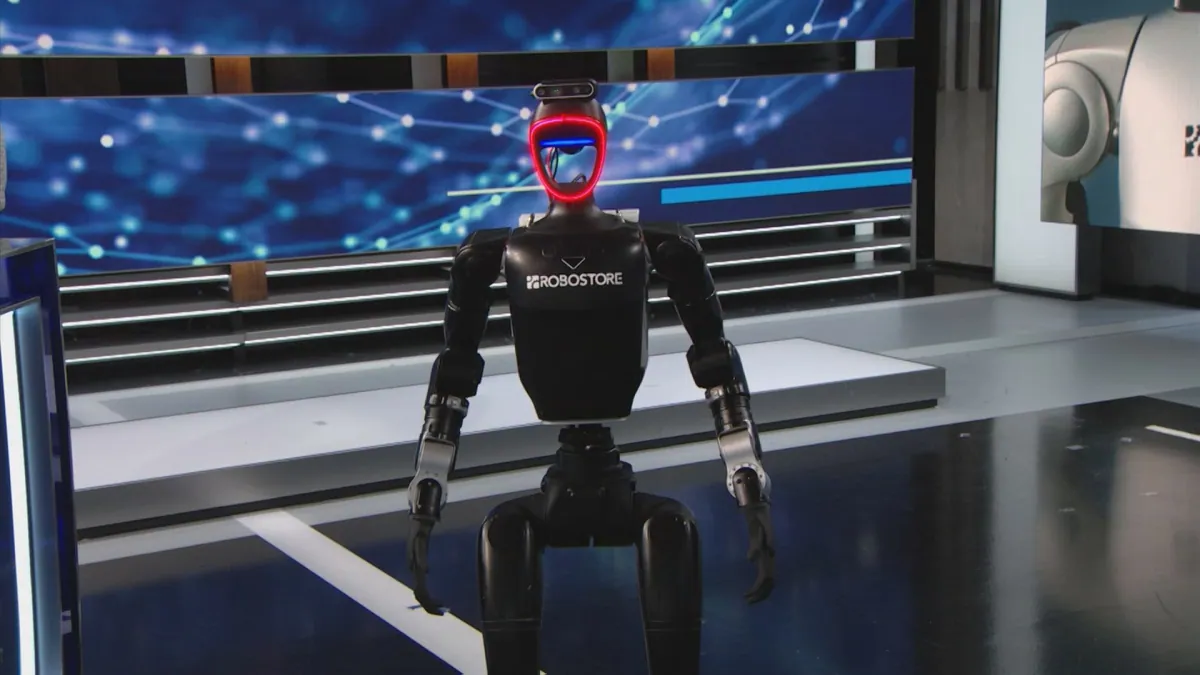
China is threatening to hit back after the U.S. moved to restrict imports of foreign-made humanoid robots, setting up another flashpoint in the two countries' tech rivalry ahead of a planned September meeting between Presidents Trump and Xi.
The dispute traces back to Tuesday, when the Federal Communications Commission said it was adding foreign-made advanced robotic devices, including humanoids, to a list that restricts imports into the U.S. The agency cited cybersecurity concerns. It didn't name China specifically, and it said retailers could still bring in robot models the FCC had already approved.
China's commerce ministry wasn't buying the neutral framing. In an online statement Thursday, translated by CNBC from Mandarin, the ministry accused the FCC of repeatedly disregarding Beijing's "restrained" approach to product bans and said the escalating restrictions "severely damage China-U.S. economic and trade stability." The ministry called on Washington to withdraw the decision and warned it would respond with countermeasures if the U.S. doesn't back down.
The threat lands at a delicate moment. Trump is scheduled to host Xi in September, and the broader tech relationship between the two countries has been fraying on multiple fronts. U.S. Treasury Secretary Scott Bessent has floated the idea of sanctioning China over alleged theft of AI models. Yet on Thursday, Trump himself struck a more cautious note, suggesting the U.S. might ease up on AI-related controls in order to preserve its lead over China rather than risk ceding ground through overly aggressive restrictions.
Why humanoid robots, specifically
The timing matters because China's humanoid robotics industry is having a moment. According to Counterpoint Research, three Chinese firms — Agibot, Unitree and UBTech — held the top three spots in global humanoid installation market share last year. Tesla's Optimus came in fifth. Two of those Chinese leaders, Unitree and Agibot, have already filed to go public, putting them squarely in the FCC's crosshairs at the exact moment they're trying to court investors.
Marc Einstein, a research director at Counterpoint, said the FCC action is poorly timed for those companies. "This is bad news for Chinese humanoid producers planning their IPOs in the coming months," he said, adding that Beijing has a couple of obvious levers to pull in response: tightening rare earth exports that American manufacturers depend on, and further restricting Chinese market access for U.S. companies like Tesla and Nvidia.
Rare earths in particular are a pointed threat. They're essential inputs for everything from electric motors to advanced electronics, and China dominates global supply. A further squeeze there would ripple well beyond the robotics sector.
The market reaction was immediate, if modest. Shares of Hong Kong-listed UBTech briefly dropped more than 6% in Thursday morning trading before the news settled in.
Ripple effects on the ground
The policy shift isn't just an abstraction for companies that depend on the U.S.-China robotics trade. Teddy Haggerty, CEO of Robostore, a North American distributor of Chinese humanoid robots, told CNBC his company has been preparing for this kind of disruption by building out its U.S.-based capabilities. He didn't offer specifics on what that expansion looks like, but the move suggests distributors are already hedging against tighter restrictions rather than waiting to see how the standoff resolves.
The FCC's decision fits a broader pattern of the agency tightening its posture on Chinese-made technology, and Beijing's statement makes clear it sees this as part of a continuing pattern rather than an isolated incident. Whether the ministry follows through with rare earth restrictions or new limits on American firms operating in China remains to be seen, and any such moves would likely be calibrated against the backdrop of the Trump-Xi meeting next month.
For now, the humanoid robot fight is a fairly narrow slice of a much larger tech rivalry, but it's a revealing one. It shows how a sector that barely existed as a commercial category a few years ago has already become entangled in the same national security and trade logic that's reshaped trade in semiconductors, AI chips and telecom equipment. With Chinese firms controlling most of the market and preparing high-profile stock listings, and with Washington unwilling to loosen its grip on cybersecurity-flagged imports, the two sides look headed for more friction rather than less, even as both governments talk about maintaining stability ahead of the September summit.


