Boeing's 737 Max 10 Finally Gets Its FAA Approval
The largest Max variant clears certification years behind schedule, closing out a saga that began before the pandemic and outlasted two fatal crashes.
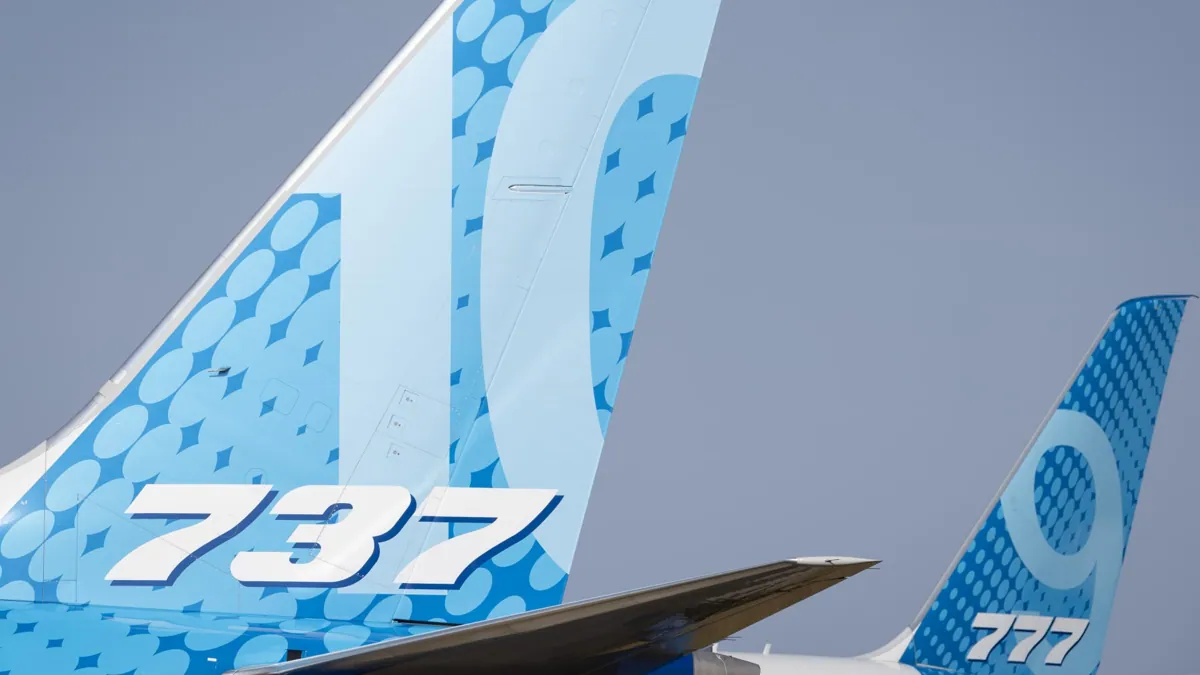
Boeing has cleared the last regulatory hurdle standing between it and the full lineup of its 737 Max family. The FAA certified the 737 Max 10 on Tuesday, capping a certification process that dragged on for years longer than the company originally planned.
It's a significant moment for Boeing, and not just symbolically. The Max 10 is the biggest plane in the Max family, and according to CEO Kelly Ortberg, orders for it make up roughly 30% of Boeing's entire backlog. Alaska Airlines, American, United and Delta are all on the customer list, which means this isn't a niche product waiting in the wings — it's a meaningful chunk of Boeing's near-term business finally able to move forward.
A long way from 2020
The Max 10 was originally supposed to enter service in 2020. Instead, it got caught in the fallout from two catastrophic crashes involving other Max variants, in 2018 and 2019, which triggered a much harsher regulatory climate for the entire Max line. Boeing had to make engineering changes to the aircraft as a result, including reworking the anti-icing system on the plane's engines. All of that pushed certification back by years.
Even recently, the approval wasn't a sure thing on a short timeline. Federal officials spent weeks examining a glitch in the aircraft's navigation system before concluding it didn't rise to the level of a safety-of-flight issue, clearing the way for Tuesday's sign-off.
FAA Administrator Bryan Bedford framed the approval as the product of a methodical process, saying in a statement that it followed "a thorough review of the aircraft's design and safety requirements" and that the agency "will continue to hold Boeing to the highest safety standards." That language matters for an agency still operating under intense scrutiny of its own oversight of Boeing following the earlier crashes.
The Max 10 certification follows the FAA's approval of the smaller Max 7 back in early August, meaning Boeing has now gotten government sign-off on every member of its current 737 Max family.
Certification isn't the same as flying passengers tomorrow
Getting the FAA's approval is a milestone, but it doesn't mean airlines can start boarding passengers on Max 10s next week. Carriers still need time to fold new aircraft into their schedules, train crews and work out logistics — a process that can take months even after certification clears.
That delay has had some unusual side effects. United CEO Scott Kirby told CNBC in August that the airline had been waiting on the Max 10 for so long that the lie-flat seats it had originally ordered for the plane no longer fit the airline's current plans — they're reportedly sitting in a warehouse, unused. Alaska Airlines, meanwhile, said last month it intends to install lie-flat seats on some of its Max 10s as part of a broader push into premium cabin offerings, suggesting different carriers are taking different approaches to the plane now that it's actually arriving.
Why this matters for Boeing's recovery
The timing lines up with a broader production push at Boeing. The company has been working to ramp up output of both the 737 Max and 787 Dreamliner lines, which are central to its financial recovery since airlines pay most of an aircraft's price when it's delivered, not when it's ordered. Boeing opened a fourth 737 Max production line in Everett, Washington, in July, a sign it's betting on sustained demand across the Max family.
With the Max 10 now certified, Boeing can start converting a backlog that's been sitting on paper into actual deliveries and actual revenue. The bigger question is how fast airlines can get these planes into the air and how quickly Boeing can keep pace with production as orders start moving again.


