Apple Is Hoarding Memory Chips Ahead of What Tim Cook Calls a "Hundred-Year Flood"
The company nearly doubled its inventory stockpile and raised prices on Macs and iPads as AI-fueled demand for chips squeezes hardware makers across the industry.
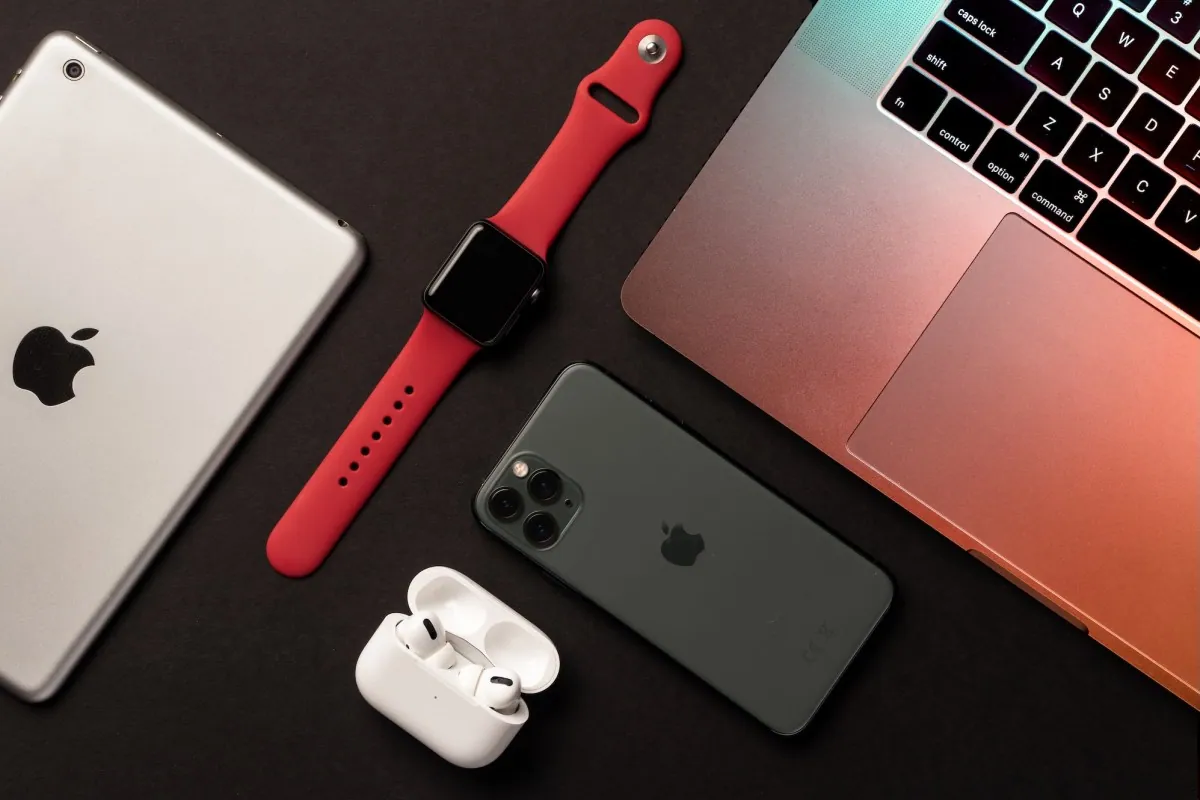
Apple just had one of its best quarters ever, and it's still bracing for things to get worse before they get better.
The company posted its strongest June quarter on record, with iPhone sales up 22% year-over-year and Mac sales up 29%, according to its latest earnings report. But outgoing CEO Tim Cook spent much of the earnings call warning investors about something less rosy: a memory chip shortage he described as "a hundred-year flood on memory pricing."
That shortage has a nickname now — RAMageddon — and it's the reason Apple is sitting on a pile of inventory it normally wouldn't touch. The company reported $11.1 billion in inventory, nearly double the $5.7 billion it had on hand last September. For a company that has spent decades running one of the leanest supply chains in tech, stockpiling that much extra stock is a notable shift.
Why memory is suddenly the bottleneck
The generative AI boom has created massive demand for the same memory components that go into phones and laptops, and that's squeezing supply for everyone, not just Apple. Apple's particular headache is securing advanced memory nodes, the specialized chip components used in its in-house Apple silicon, the A-Series and M-Series processors that power iPhones and Macs. Without enough of that memory, Apple can't build devices at the pace it wants, no matter how strong demand looks on paper.
"We continue to expect high levels of demand," Cook said on the earnings call. "However, with less flexibility in supply chain, we expect the impact from the supply constraints to increase significantly sequentially."
He went further, telling investors Apple is seeing "very significant constraints" with little room to maneuver around them. "We're going to be scrambling on the supply side, essentially," he added.
That's a striking admission from a company whose entire operational identity has been built around supply chain precision. Cook made his name at Apple, long before he became CEO, by minimizing excess inventory and keeping just enough stock on hand to meet demand without tying up cash in parts sitting in warehouses. Nearly doubling inventory in less than a year is a clear signal that Apple expects the memory crunch to last, and that the usual playbook isn't enough to get through it.
Prices are already moving
The shortage has already hit customers' wallets. Apple raised prices on Macs and iPads last month, a move Cook said the company made "reluctantly." Apple isn't alone in passing costs along. Meta, Samsung, Microsoft, and Sony have all raised hardware prices in response to the same supply pressures, suggesting this is an industry-wide squeeze rather than an Apple-specific problem.
The financial outlook reflects the strain. Apple is guiding for revenue growth of 9% to 11% year-over-year in the current quarter, a meaningful step down from the roughly 16% growth it's maintained over the past several quarters. Investors noticed: Apple shares dropped 6% in after-hours trading following the announcement.
A tricky handoff
The timing adds another layer to the story. Cook is stepping down, and Senior Vice President of Hardware Engineering John Ternus is set to take over as CEO in September. Ternus will inherit a company that just posted blowout sales numbers but is simultaneously warning that its supply chain is about to get tighter, not looser. Managing a chip shortage that's squeezing the entire industry, while Wall Street digests slower growth guidance, is not the easiest first act for a new chief executive.
Apple's position isn't unique, which may be the one piece of good news in all this. Every major hardware maker is navigating the same memory crunch, and Apple's scale and cash reserves give it more room than most to absorb the pain through stockpiling rather than simply raising prices further or delaying products. Still, the fact that Apple is breaking from its own long-standing inventory discipline tells you how seriously the company is taking this. The strongest June quarter in Apple's history came with a warning attached, and the next few quarters will show whether that warning was overly cautious or exactly right.


