Apple Reportedly Prepping a Car-Lease-Style Payment Plan for iPhones and Macs
Bloomberg says the new "Apple Upgrade" program, backed by Klarna, would let customers lease devices instead of buying them outright, with a soft credit check required.
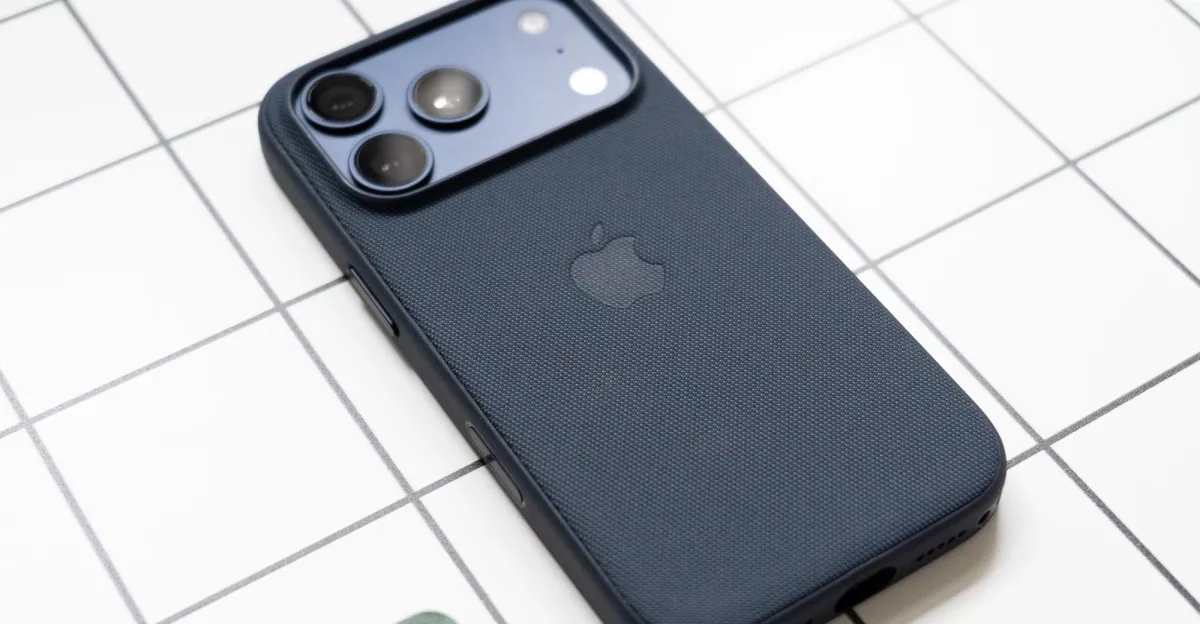
Apple is reportedly building a new way to pay for its gadgets that looks a lot less like a phone bill and a lot more like a car lease. According to Bloomberg's Mark Gurman, the company is preparing to launch a program called "Apple Upgrade" that would let customers lease iPhones, Macs, iPads, and Apple Watches rather than buying them the traditional way, financing them, or trading in an old one.
The mechanics, per Gurman's reporting, mirror how auto leases work. Customers would sign up for a set term, make payments over that period, and then choose what happens next: upgrade to a newer device early, keep the one they have, or hand it back at the end of the lease. Klarna, the buy-now-pay-later company, is reportedly lined up as Apple's financial partner for the program, and signing up would require a soft credit check, a type of credit review that doesn't affect your credit score.
Bloomberg reports Apple Upgrade is slated to launch on July 28th. If that timeline holds, it would replace the existing iPhone Upgrade Program and Apple's standard financing options for new iPhones, expanding the concept to cover most of Apple's current device lineup rather than just phones.
How the terms would work
The lease lengths reportedly differ by product. iPhones and Apple Watches would come with 24-month terms, while iPads and Macs would run for 36 months, according to the report. That split makes some sense given how people actually use these devices: phones and watches tend to get replaced more often, while laptops and tablets are typically kept longer.
Not everything in Apple's lineup would qualify, though. Gurman's reporting indicates that budget-tier products, including the base iPad, the iPhone 16, the Apple Watch SE, and the MacBook Neo (a fast-selling entry-level laptop), would be excluded from the program. That suggests Apple Upgrade is being positioned for higher-end purchases rather than as a low-cost entry point into the ecosystem.
One notable change from the current iPhone Upgrade Program: Apple Upgrade reportedly won't bundle in an AppleCare subscription. That's a meaningful shift, since AppleCare has long been a built-in part of the existing upgrade plan. It also lands at an awkward moment, since AppleCare pricing itself is reportedly going up.
Why now
The timing lines up with broader cost pressures across the industry. Component and RAM shortages have been pushing hardware prices upward, and Apple raised prices across nearly its entire product line just last month. The iPhone was left out of that increase, but that may not last. The iPhone 18 Pro series, expected later this year, could push iPhone pricing higher than it's ever been.
Seen against that backdrop, a lease-style program looks less like a novel gimmick and more like a pressure valve. If flagship devices keep getting more expensive, spreading the cost over two or three years, with a built-in exit ramp, gives Apple a way to keep big-ticket purchases feeling manageable without actually lowering the sticker price. It's a familiar playbook from the auto industry, now aimed at phones and laptops.
For Apple, it's also a way to keep customers cycling through new hardware more predictably. Leasing structures tend to encourage upgrades on a schedule rather than whenever a device finally breaks or feels outdated, which could smooth out Apple's device turnover in a way that benefits its bottom line as much as it benefits shoppers looking for a lower monthly cost.
None of this is confirmed by Apple itself yet, and the details, including exact pricing, remain unreported. But if the July 28th timeline is accurate, we won't be waiting long to find out exactly what Apple Upgrade costs and who it's really built for.


