Apple Gets the Green Light to Bring AI to China, With Help From Alibaba and Baidu
China's internet regulator has cleared Apple Intelligence for launch, ending a monthslong scramble to find local AI partners in the country's tightly controlled market.
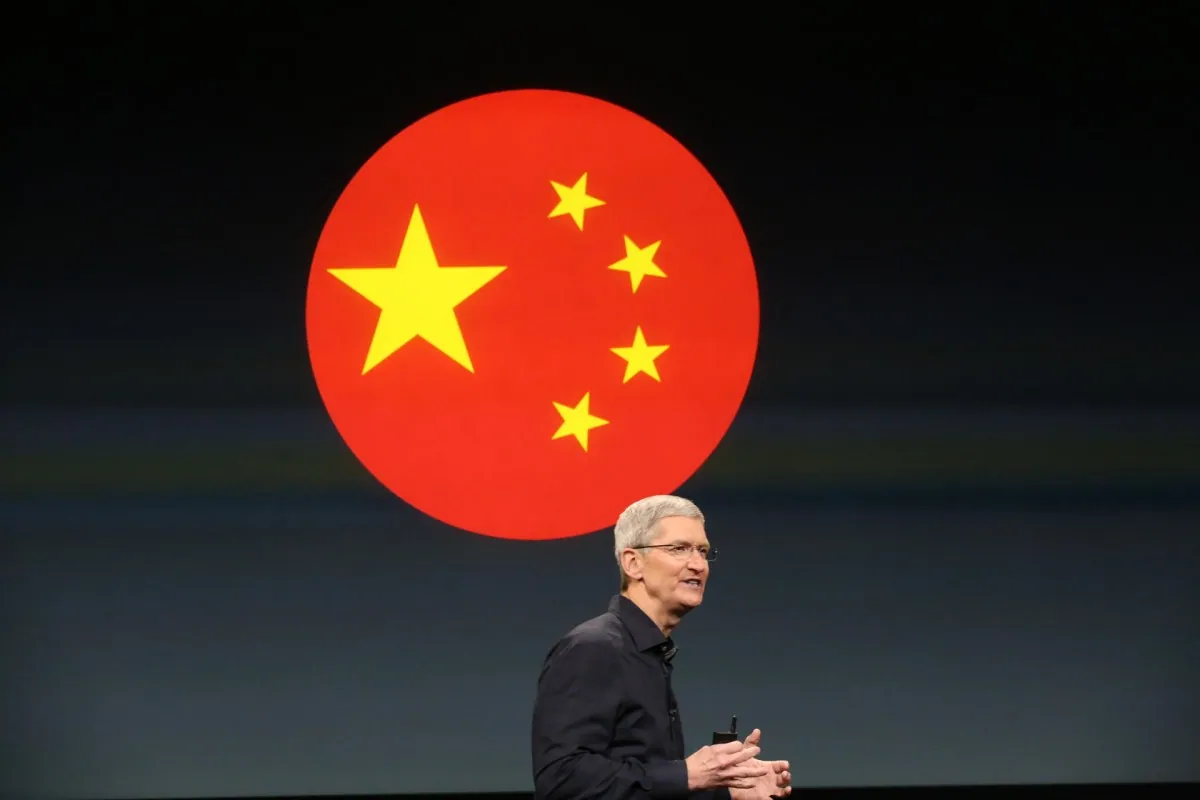
Apple Intelligence is finally headed to China, and it's arriving with local help. China's Cyberspace Administration, the country's internet content regulator, has approved Apple's AI services for the market, according to a Reuters report. The approval hinges on a deal that folds Alibaba's Qwen AI model into Apple's operating systems, spanning iOS, iPadOS, macOS, and visionOS.
Alibaba isn't the only partner in the mix. A Baidu spokesperson confirmed to TechCrunch on Wednesday evening that the company is also working with Apple to bring Apple Intelligence features to Chinese iPhone users, suggesting Apple is leaning on more than one domestic AI provider to get this launch across the finish line.
The regulatory approval closes out a saga that's dragged on for over a year. Apple Intelligence debuted in 2024, but China was left out of the initial rollout, largely because Beijing requires generative AI products sold in the country to go through government review and requires foreign companies to partner with approved local AI firms rather than bring their own models. That's a very different regulatory posture than Apple faces almost anywhere else, and it forced the company into a prolonged search for the right local match.
That search wasn't smooth. Apple reportedly explored a partnership with Baidu early on, but ran into trouble adapting its models to suit Chinese users. The company also reportedly looked at DeepSeek and at models built by ByteDance before the Alibaba deal, which had been rumored since last year, came together. Baidu's confirmation this week suggests that relationship never actually died, even after the reported friction, and that Apple is now moving forward with both companies rather than picking a single winner.
Alibaba, for its part, confirmed the arrangement to CNBC, saying Qwen would be "integrated into Apple Intelligence experiences." The company didn't offer a launch date, but did specify that the integration will cover capabilities like text and image understanding and generation, the kind of features that already anchor Apple Intelligence elsewhere.
Why China Couldn't Wait
The timing matters as much as the deal itself. Apple's business in Greater China has been rebounding, with sales in the region climbing 28% in the second quarter to $20.5 billion. The company also recently reclaimed the No. 2 spot in China's smartphone market, a comeback helped along by discounts on the iPhone lineup during a recent shopping festival.
Against that backdrop, the absence of Apple Intelligence in China has stood out. Local competitors have been shipping AI features on their own hardware for a while, and Chinese consumers have had no shortage of homegrown alternatives from companies like Alibaba, Baidu, and DeepSeek. Every quarter that passed without an approved AI offering left Apple further behind on a feature set it's positioning as central to the iPhone's future everywhere else in the world.
What Happens Next
Regulatory approval is the hard part, but it isn't the finish line. Neither Apple, Alibaba, nor Baidu has said when Chinese users will actually see these features land on their devices. Given how long the approval process alone took, expect Apple to be deliberate about the rollout, particularly given how sensitive AI-generated content is under Chinese regulation.
Still, getting the green light is significant on its own. It means Apple has cleared the single biggest obstacle standing between it and bringing its signature AI push to the world's largest smartphone market, and it confirms that Apple's answer to China's AI rules wasn't picking one partner but assembling a small coalition of them. What that dual-partner setup looks like in practice, and which company handles which features, is the next thing worth watching.


