Apple Taps Pennsylvania Firm for Titanium as iPhone Duo Shortage Drags On
The deal adds a U.S. source for the foldable's metal frame, but it won't fix the weeks-long wait times hitting Apple's first foldable phone.
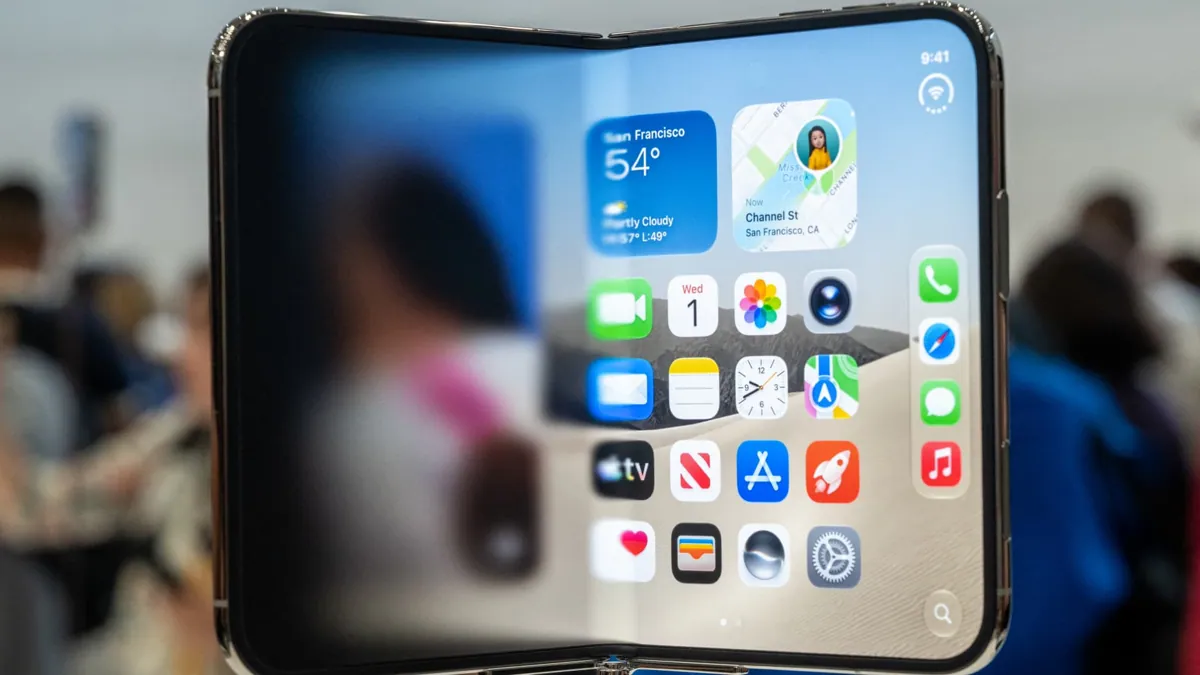
Apple is turning to a Pennsylvania metalworking company to help supply the titanium inside its new foldable iPhone, even as the device remains in short supply just days before it hits store shelves.
The company said Tuesday it will invest up to $100 million over the next three years in Perryman Company, a Houston, Pennsylvania-based firm that will melt, forge, and roll grade 5 titanium for Apple's products, including the $1,999 iPhone Duo. Apple said the titanium will contain at least 80% recycled material, and that the metal gives the foldable's enclosure its durability.
The announcement is part of a broader push to localize more of Apple's supply chain in the U.S., something the company has talked up repeatedly since President Donald Trump's second term began. Last August, Apple launched its American Manufacturing Program, tacking an additional $100 billion onto its domestic spending plans for a total commitment of $600 billion. Tim Cook, who stepped down as CEO last month, stood with Trump at the White House when that figure was unveiled, as the administration leaned on Apple and other tech companies to shift more manufacturing stateside.
Tuesday's news bundles in a second deal, too: Apple is expanding its work with Qnity Electronics, a Delaware-based company that will produce advanced films for the variable-aperture camera system on the iPhone 18 Pro. That feature lets the main camera adjust how much light hits the lens depending on shooting conditions, giving users more control over exposure and depth of field.
Apple's operating chief, Sabih Khan, framed the moves as a continuation of that domestic strategy. "We're thrilled to expand our work with companies producing advanced materials and components for our newest iPhone lineup right here in America," he said in a statement. Apple also pointed to existing AMP partners doing U.S.-based work: Broadcom on chips, Corning on specialty glass for iPhones and Apple Watches, and Amkor, which is building a semiconductor packaging and testing plant in Peoria, Arizona. All told, Apple says nearly 100 components across the Duo and the 18 Pro now come from American companies spread across more than a dozen states.
The timing is the real story
None of this changes the fact that Apple can't make enough iPhone Duos to meet demand right now. The foldable, Apple's first and its biggest redesign of the iPhone to date, goes on sale in physical stores Friday. But preorders have already exposed a supply crunch: Morgan Stanley found that delivery estimates for some Duo models stretched to roughly 14 weeks on the first day of preorders, the longest wait the firm has tracked for a new iPhone in a decade.
Apple itself called preorder demand "nothing short of extraordinary" but hasn't said whether it's ramping up production to close the gap. JPMorgan analysts now expect Apple to ship somewhere between 8 million and 9 million Duo units this year, down from earlier estimates near 10 million, specifically because of these supply constraints.
That's the context the Perryman deal lands in. Apple didn't say whether bringing on a U.S. titanium supplier would actually increase near-term output of the Duo. The three-year, $100 million commitment reads more like a structural supply-chain move, one aimed at building domestic capacity over time, than a quick fix for a phone that's already selling out weeks in advance. Final assembly of most iPhones, including the Duo, still happens overseas, even as Apple expands pieces of its U.S. footprint.
So the questions hanging over the Duo launch haven't changed much. Apple has a hit on its hands, by most measures, but it's also facing the kind of bottleneck that turns excitement into frustration if it drags on too long. Whether Tuesday's announcement translates into more titanium frames reaching customers sooner, or whether it's simply the next chapter in Apple's slow-build domestic manufacturing story, is something only Apple's production numbers in the coming months will answer.


