Amazon Backs New Nuclear Plant in Indiana to Power AI Data Centers
The project would replace a shuttered coal plant with a dozen next-generation small reactors, though nothing will come online for years.
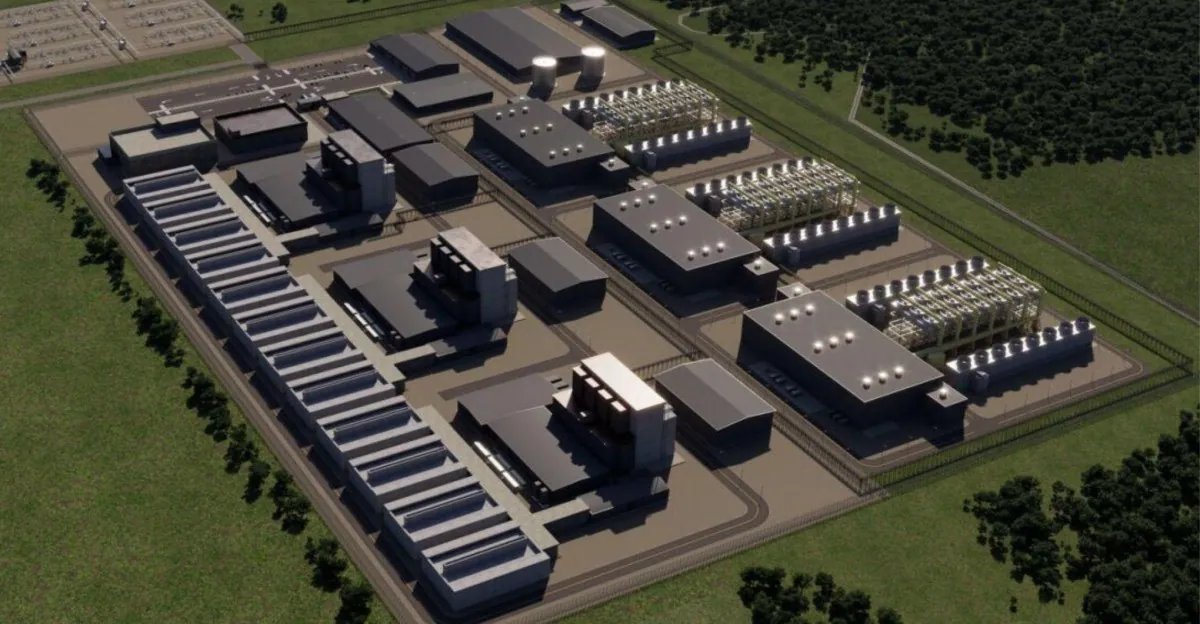
Amazon has agreed to fund a new nuclear power facility in Indiana, teaming up with reactor developer X-energy and utility American Electric Power on a project that would rise on the site of a defunct coal plant. The proposed facility would replace the now-shuttered Breed Generating Station in Fairbanks, Sullivan County, and is designed to deliver up to 960 megawatts of carbon-free power to both the regional grid and Amazon's own data centers.
The plan calls for building 12 of X-energy's Xe-100 reactors, a type of small modular reactor (SMR) — a smaller, factory-built alternative to traditional nuclear plants — that's still working through development and licensing and has yet to be proven at scale. One selling point: the Xe-100 can be cooled with air, water, or a mix of both, which Amazon says means the reactors could be deployed in areas with limited water supply without straining local water demand.
Amazon says the project "could" generate 1,000 construction jobs and 100 permanent positions once running, but the company hasn't released a construction or operational timeline. Financial terms of the agreement also haven't been disclosed.
That silence on cost is notable given Indiana's track record with ambitious nuclear builds. The state is also home to the Marble Hill Nuclear Power Plant, a project abandoned half-built in 1983 after $2.5 billion had already gone into it, and one that's been in active demolition since 2008. Without disclosed terms, there's no way to compare how Amazon's Fairbanks project stacks up.
Amazon's second nuclear bet
This is the second nuclear project Amazon and X-energy have pursued together. Last October, the pair unveiled plans for the Cascade Advanced Energy Facility in Washington state, another 12-reactor project that likewise promises local jobs, though construction there isn't expected to begin until near the end of the decade. Together, the two projects are part of a broader goal: Amazon and X-energy say they want to work with regional utilities to bring more than 5 gigawatts of new nuclear capacity online across the U.S. by 2039.
The push reflects a wider scramble among tech giants to lock down carbon-free power for an AI boom that's straining the grid. Meta, Microsoft, and Google are all chasing their own nuclear deals for the same reason: data centers running AI workloads consume enormous amounts of electricity, and nuclear offers a steady, always-on supply that solar and wind can't match on their own.
Amazon has also been trying to get ahead of mounting public pushback against data centers, which have drawn criticism in various communities over their power and water demands. Earlier this month, the company published a lengthy blog post pledging investments in grid infrastructure, aimed at easing some of that friction. Projects like the Fairbanks plant fit that pitch — but the timelines involved mean it will be years, possibly most of a decade, before anyone, Amazon included, sees any power from these reactors.
For now, the Indiana project is a bet on technology that doesn't fully exist yet at commercial scale, backed by a company with enormous capital and an enormous appetite for electricity. Whether the Xe-100 reactors clear their remaining licensing hurdles, and whether construction stays anywhere near on schedule, will determine whether this becomes a model for the industry or another cautionary tale in a state that's already seen one nuclear project go badly wrong.


