Nintendo's Ocarina of Time Remake Hits Switch 2 This Week, Right Alongside GTA VI
The 28-year-old N64 classic gets a puppet-show-inspired visual overhaul, a jump button, and a deliberate effort to let players keep rolling across Hyrule Field like it's 1998.
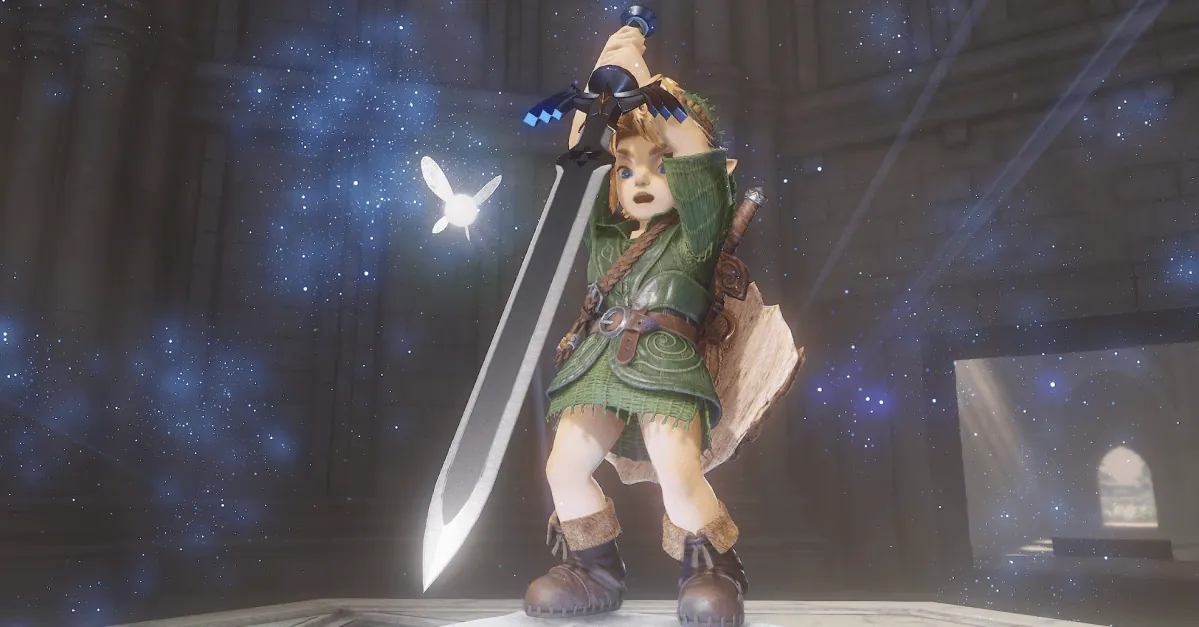
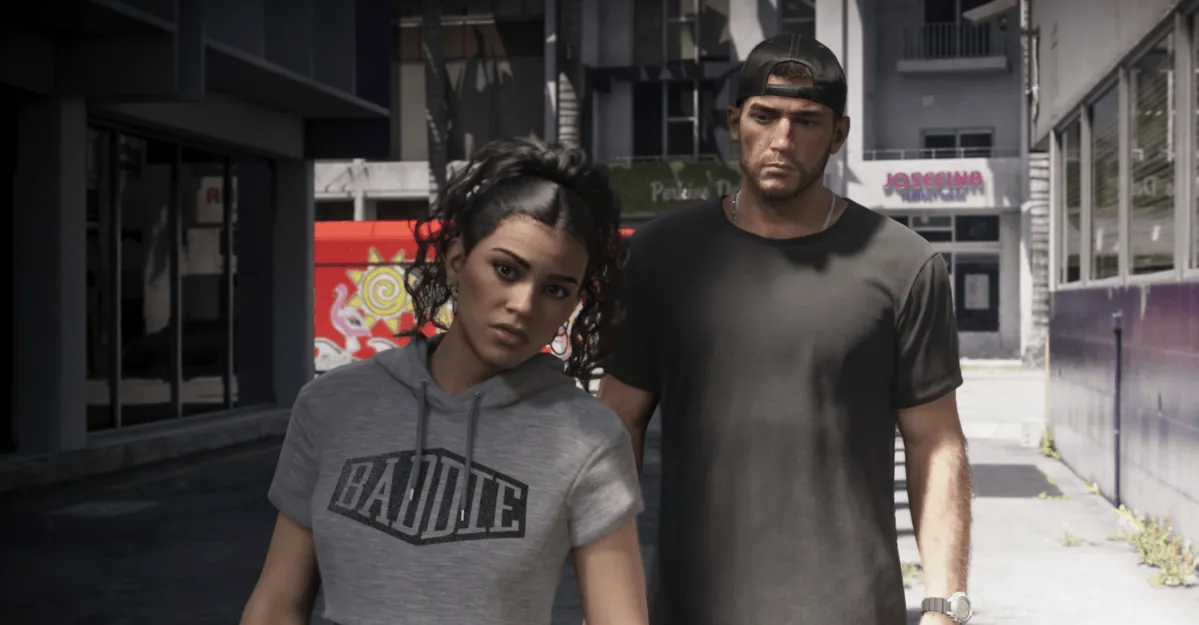
Nintendo's remake of The Legend of Zelda: Ocarina of Time launches this Thursday, November 5th, on Switch 2, landing in the same month as Rockstar's Grand Theft Auto VI and giving Nintendo its own marquee release to counter one of the year's biggest launches. It's a strange kind of showdown: a brand-new open-world crime epic going up against a reimagining of a game that's nearly three decades old. But Ocarina of Time has never really stopped mattering, and Nintendo's bet is that a modern rebuild of its pioneering 1998 3D adventure can pull in both the people who grew up with it on Nintendo 64 and the generation that only knows Link from Breath of the Wild and Tears of the Kingdom.
The remake has been a long time coming. Nintendo first teased it back in June with a brief trailer and almost no details, confirming only that it was headed to Switch 2 sometime in 2026. The picture sharpened considerably during a Legend of Zelda 40th anniversary stream, where Nintendo locked in the November 5th date and gave fans their clearest look yet at how the team approached rebuilding one of the most influential games in the medium. Longtime Zelda producer Eiji Aonuma described the project as "a faithful interpretation using modern technologies," a framing that's held up as more details have trickled out. This is also the first Zelda release built exclusively for Switch 2, distinct from the upgraded Switch 2 ports of Tears of the Kingdom and Breath of the Wild that arrived alongside the console's launch. It's the franchise's first major new release since 2024's Echoes of Wisdom, following a stretch that also included the hack-and-slash spinoff Hyrule Warriors: Age of Imprisonment.
A new look, borrowed from puppet shows
The most obvious change is visual. Nintendo rebuilt Ocarina of Time with a noticeably more realistic art style, a significant departure from the blocky, low-poly N64 original. The inspiration, according to a developer Q&A Nintendo published ahead of launch, came from an unexpected place: puppet shows and practical-effects filmmaking. Art director Aya Shida explained the thinking behind it directly:
"Neither puppet shows nor practical effects films reproduce reality exactly as it is. Even so, both create a convincing sense that the characters truly exist within their respective fantasy worlds. We also felt that there was some overlap between these forms of expression and the distinctive nostalgia evoked by the original game."
It's a clever way to thread the needle: push the visuals forward without chasing photorealism, which would risk losing the texture that made the original feel like its own little world.
What's actually changed under the hood
Beyond the new coat of paint, the remake adds a handful of modern conveniences that longtime players never had. There's a dedicated jump button, a proper sprint option, full voice acting, and a new feature called Threads of Time that tracks your progress and is viewable from the pause menu. Nintendo has also built in Zelda Notes integration through the Nintendo Switch app, letting players check maps and other game information from their phone.
But Nintendo has been explicit that it didn't want to sand away everything that made the original feel the way it did. In the same developer interview, the team said it specifically wanted to "preserve the experience of spamming the Roll Attack to forward roll your way across Hyrule Field," a quirky, slightly inefficient movement habit that became second nature for N64-era players. In the remake, that option is still there. You just now also have the choice to dash instead, giving players a faster, more modern way to cover ground without losing the old habit for those who want it.
The Verge's early hands-on time with the game backs up that balance between old and new. According to that preview, the remake is shaping up to be the best-looking and best-playing version of Ocarina of Time yet, one that smooths out the most frustrating parts of the original without erasing what made it distinct. The controls have been modernized enough to feel immediately familiar to anyone who's played a recent third-person action game, including other modern Zelda entries. Notably, the preview also described the game as feeling "surprisingly terrifying" at points, a side effect of the more realistic visual treatment making some of the game's darker moments hit harder than the N64 version ever could.
Hardware and merch for the occasion
Nintendo is treating this as a proper event release, not just a software drop. The company has put out a special edition of the Switch 2 console and the Switch 2 Pro Controller, both decorated with Triforce imagery, for fans who want hardware to match.
There's also a genuinely novel piece of licensed merchandise: an electronic ocarina from accessory maker Hori, priced at $49.99. It was briefly shown off during the 40th anniversary Direct and has since gotten a full listing on Hori's site. The device lets players push buttons to play their own melodies, choose from 12 pre-programmed songs pulled from the games, or connect headphones for private practice. It's also compatible with the remake's built-in sound recognition feature, meaning players who actually want to learn to "play" Zelda's iconic songs rather than just press a button combination have a physical instrument built for exactly that.
Pricing and what's next
On the retail side, the physical edition of the remake carried a $59.99 list price with a limited-time $10 preorder discount at retailers including Amazon and Walmart in the run-up to launch. Once the game is out, that price is expected to climb to $69.99 for physical copies, while the digital version is expected to hold steady at $59.99.
Ocarina of Time's original claim to fame was that it helped define what 3D action-adventure games could even look like: the camera systems, the lock-on targeting, the sense of an open world worth exploring, all of it traces back to this game in some form. Twenty-eight years later, Nintendo isn't trying to reinvent that formula so much as prove it still works, dressed up for a console that didn't exist when Link first pulled out his ocarina. Whether that's enough to hold its own against GTA VI's launch window is a separate question, but for Zelda fans, the more interesting one is whether Hyrule still feels like Hyrule. Early impressions suggest it does.